Legislators / Val L. Peterson
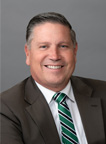
Val L. Peterson
Republican · House District 56 · Executive Appropriations Chair
Hear from them directly
Contact Rep. Val L. Peterson
- Email: vpeterson@le.utah.gov
- Office: 528 W 1160 N, OREM, UT, 84057
Constituents get priority, so say you live in their district. Writing about a specific bill? Open it and use Take action for a ready-to-send message.
Watch or join a meeting
Every committee hearing and floor session is open to the public and streamed live on le.utah.gov. Each committee's agenda has the link to watch or join online, and how to sign up for public comment.
Val L. Peterson serves on:
- Executive Appropriations Committee
- House Education Committee
- House Law Enforcement and Criminal Justice Committee
- Education Interim Committee
- Political Subdivisions Interim Committee
- Federal Funds Legislative Oversight Committee - Rural Health Transformation Grant
- Veterans and Military Affairs Commission
What they've said
139 remarks on 23 billsH.B. 545 Budgetary Modifications · House floor debate (day 45) · Mar 6, 2026
Explains that the bill changes the Electrical Energy Development Investment Fund to a special revenue fund, makes appropriations from it non-lapsing, modifies its permissible uses, and includes a coordinating clause for Colorado River Authority amendments, and describes these as the Senate's changes.
▶ Watch at 34:15Read what they said
Yes, Mr. Speaker that this changes the Electrical Energy Development Investment Fund from an expendable special revenue fund to a special revenue fund and makes appropriations from the fund non lapsing. It also modifies the permissible uses of the Electrical Energy Development Investment Fund and it, uh, includes a coordinating clause to make net technical changes for the Colorado River Authority Amendments. And that's what the changes were in the Senate.
H.B. 513 Attorney General Funding Amendments · House floor debate (day 45) · Mar 6, 2026
Says the bill changes the name of the fund to the Legal Services retainer fund and changes "and" to "or" on line 508, which broadens that provision somewhat.
▶ Watch at 1:18:26Read what they said
Yeah. So it uh, changes the name of the fund to the Legal Services retainer fund and on line 5 0 8 that changes an and to an or which broadens that piece a little bit. And that's what this bill does. Thank
H.B. 3 Appropriations Adjustments · House floor debate (day 45) · Mar 6, 2026
Peterson presented H.B. 3 as the final budget bill, outlined its $31.6 billion total budget and spending increases for education, higher education, social services, and criminal justice, described tax cuts and a new prison pod, and urged support.
▶ Watch at 1:27:58Read what they said
Thank you Mr. Speaker. So, uh, this is our final budget bill and so our evening must be getting close to an end as you have the bill of bills in front of you. As you look at this list, you'll see that the majority of this list is our bills. This is our funding bill for our bills, both in the house and the Senate. And so, um, most of the lines belong to us for our work that we've done over the last seven weeks. So, uh, one I want to tell you, thank you for all of your work. We've all served on appropriations committees, on standing committees, and these are the, these are the fruits of …
H.B. 3 Appropriations Adjustments · House floor debate (day 45) · Mar 6, 2026
Peterson gave a closing summation saying the bill shows the work done and returns some tax funds to the people of Utah, and urged support.
▶ Watch at 1:30:55Read what they said
Again, this is the harvest right here, folks, where we tell the people of the state of Utah and we show them all the hard work that we've done and, and as we have returned some of their tax funds back to them. So I urge your support for this bill.
H.B. 513 Attorney General Funding Amendments · Senate floor debate (day 45) · Mar 6, 2026
Explains that H.B. 513 creates a new process for state agencies to pay for Attorney General legal services through annual retainers agreed by October 1, included in the governor's budget, appropriated by the legislature, and governed by a written service level agreement, replacing the current ISF process.
▶ Watch at 2:09:47Read what they said
Thank you Mr. President Pro TEM HB 2 5 13 establishes a new process for state agencies to pay for legal services provided by the Ag G'S office. This would re replace the current ISF process By October 1st of each year, the Ag G'S office and each agency will jointly agree to retainer amount for the upcoming fiscal year. The retainer is estimated is is the estimated cost of the agency's legal services for the year. Retainers will be incorporated into the gov Governor's proposed budget. The legislature will appropriate the retainers to, to the agencies after session and before the start of each fiscal year, the ags office and each agency will enter into a written service level …
S.B. 254 Extracted Natural Resources Amendments · House floor debate (day 44) · Mar 5, 2026
Says the substitute keeps appropriation authority with the Legislature rather than the critical minerals committee and urges passage.
▶ Watch at 24:29Read what they said
Thank you, Mr. Speaker. So this substitute's very important for, uh, one main reason. And that is, is it retains the ability to appropriate these funds from the legislature. So currently the, the previous sub delegates that authority to the critical minerals committee. Uh, and so we wanna make sure that we continue to retain our appropriation and control of the purse strings. And so I would urge you to pass the third substitute. Thank you.
S.B. 254 Extracted Natural Resources Amendments · House floor debate (day 44) · Mar 5, 2026
Urges passage of the third substitute because it keeps the Legislature's appropriation authority over these funds instead of delegating it to the critical minerals committee.
▶ Watch at 24:29Read what they said
Thank you, Mr. Speaker. So this substitute's very important for, uh, one main reason. And that is, is it retains the ability to appropriate these funds from the legislature. So currently the, the previous sub delegates that authority to the critical minerals committee. Uh, and so we wanna make sure that we continue to retain our appropriation and control of the purse strings. And so I would urge you to pass the third substitute. Thank you.
S.B. 220 Veteran Scholarship Amendments · House floor debate (day 44) · Mar 5, 2026
Presents S.B. 220, which would remove the 10-year limit on the graduate school tuition waiver for Purple Heart recipients so they could use it at any time in their lifetime, and gives background on the number of Purple Heart recipients in Utah.
▶ Watch at 31:00Read what they said
Thank you Mr. Speaker Pro Tim. So Utah has 232 living Purple Heart recipients and we currently have 38 Purple Heart recipients who are still wearing the uniform in the Utah Army National Guard. Uh, in order to receive a Purple Heart, a service member has to be wounded or killed in action in a foreign conflict, and it has to be recorded and, uh, treated by a medical officer and put into their their official record. So in Utah, in recognition of their service and sacrifice, the legislature created the Purple Heart Tuition waiver and, uh, they get a full waiver towards an undergraduate degree and they get a limited waiver towards a graduate degree. The limiting part of …
S.B. 220 Veteran Scholarship Amendments · House floor debate (day 44) · Mar 5, 2026
Gives a closing summation supporting the bill so Purple Heart recipients can earn a graduate degree at any time in their lifetime.
▶ Watch at 32:25Read what they said
Thank you Mr. Speaker Pro Timm. I just think this is a, a nice way to allow our Purple Heart recipients, uh, if they want to earn a graduate degree, to be able to have that anytime during their lifetime. Thanks for your support.
S.B. 254 Extracted Natural Resources Amendments · House floor debate (day 44) · Mar 5, 2026
Says the bill concerns future funding and urges passage of the third substitute while work on the issue continues.
▶ Watch at 34:45Read what they said
Thank you, Mr. Speaker. So, critical Minerals is really talking about our future. And so we need to make sure that we are looking out for how these are paid for and how we're utilizing those funds. And so I would urge that you pass the third substitute, and we can continue to work upon this issue. But this is an important policy issue for the state of Utah and what is gonna happen down the road, the next generations. So think about the people who are gonna come 30, 40, and 50 years from now, not about what's happening today. Thank you.
S.B. 254 Extracted Natural Resources Amendments · House floor debate (day 44) · Mar 5, 2026
Urges passage of the third substitute, saying the funding and its use for critical minerals matter for future generations.
▶ Watch at 34:45Read what they said
Thank you, Mr. Speaker. So, critical Minerals is really talking about our future. And so we need to make sure that we are looking out for how these are paid for and how we're utilizing those funds. And so I would urge that you pass the third substitute, and we can continue to work upon this issue. But this is an important policy issue for the state of Utah and what is gonna happen down the road, the next generations. So think about the people who are gonna come 30, 40, and 50 years from now, not about what's happening today. Thank you.
S.B. 192 Legislative Activities Amendments · House floor debate (day 44) · Mar 5, 2026
Moves to substitute the Senate bill with the first substitute.
▶ Watch at 45:19Read what they said
Thank you Mr. Speaker Pro Tim. Motion to substitute with first substitute house bill 1 92. I'm sorry. With Senate substitute House 1 92.
S.B. 192 Legislative Activities Amendments · House floor debate (day 44) · Mar 5, 2026
Presents the substitute, which makes the President and Speaker vice chairs of the Capitol Preservation Board and sets out who chairs when the governor or a vice chair is absent and whether a designee can chair.
▶ Watch at 45:47Read what they said
That's an order we'd like to speak to it. Yes. So this does four things. First of all, it makes, uh, the president and speaker as vice chairs of the Capital Preservation Board. If the governor is absent from the meeting, either the president or the speaker will chair the board. And if the governor and one of the vice chairs is absent, the remaining vice chair will chair. If a designee attends a capital Preservation Board meeting on the governor's, president's, or speaker's behalf, the designee can cannot chair. That's what the substitute does.
S.B. 192 Legislative Activities Amendments · House floor debate (day 44) · Mar 5, 2026
Explains that the substitute makes the Senate president and House speaker vice chairs of the Capitol Preservation Board and sets rules for who chairs its meetings.
▶ Watch at 45:50Read what they said
Yes. So this does four things. First of all, it makes, uh, the president and speaker as vice chairs of the Capital Preservation Board. If the governor is absent from the meeting, either the president or the speaker will chair the board. And if the governor and one of the vice chairs is absent, the remaining vice chair will chair. If a designee attends a capital Preservation Board meeting on the governor's, president's, or speaker's behalf, the designee can cannot chair. That's what the substitute does.
S.B. 192 Legislative Activities Amendments · House floor debate (day 44) · Mar 5, 2026
Summarizes the substitute's changes to legislative general administration, Legislative Management Committee meetings and subcommittee, procurement, legislative records, and Capitol Preservation Board rulemaking.
▶ Watch at 46:56Read what they said
Thank you Mr. Speaker Pro Tim. So, uh, what this, uh, substitute does is it updates and clarifies the policy and concerning the general legislative branch administration, including policies concerning procurement, workplace discrimination, the intern program, legislative records, and others, uh, some of the key points is it clarifies that, uh, the LMC oversees workplace harassment and the discrimination policy. It modifies the LMC Quorum requirements to be consistent with other legislative committees. It also modifies the LMC meeting requirements to eliminate any unnecessary meetings. Uh, they do that by meeting quarterly. It clarifies the oversight of branch wide internal administrative manners, uh, and it also, uh, eliminates the LMC subcommittee on oversight. Previously, the subcommittee met in the fall …
S.B. 192 Legislative Activities Amendments · House floor debate (day 44) · Mar 5, 2026
Explains the substitute's changes to legislative general administration, including Legislative Management Committee oversight, meeting schedule and quorum, subcommittee and budget changes, General Counsel duties, obsolete publishing and reporting requirements, Capitol Preservation Board rulemaking, and notice and consultation duties.
▶ Watch at 46:56Read what they said
Thank you Mr. Speaker Pro Tim. So, uh, what this, uh, substitute does is it updates and clarifies the policy and concerning the general legislative branch administration, including policies concerning procurement, workplace discrimination, the intern program, legislative records, and others, uh, some of the key points is it clarifies that, uh, the LMC oversees workplace harassment and the discrimination policy. It modifies the LMC Quorum requirements to be consistent with other legislative committees. It also modifies the LMC meeting requirements to eliminate any unnecessary meetings. Uh, they do that by meeting quarterly. It clarifies the oversight of branch wide internal administrative manners, uh, and it also, uh, eliminates the LMC subcommittee on oversight. Previously, the subcommittee met in the fall …
S.B. 192 Legislative Activities Amendments · House floor debate (day 44) · Mar 5, 2026
Opposes circling the bill and says the reduced meeting schedule is meant to solve scheduling problems.
▶ Watch at 51:09Read what they said
I'd resist that motion. This, the, the lines that, uh, the good representative's talking about. Uh, by meeting less, it actually is trying to solve a problem that we have by having to have the LMC meet in order to solve different issues that are going on and, and allows the Capital Preservation Board to be able to act on those issues.
S.B. 192 Legislative Activities Amendments · House floor debate (day 44) · Mar 5, 2026
Opposes the motion to circle, saying less frequent meetings address problems that currently require the committee to meet and allow the Capitol Preservation Board to act.
▶ Watch at 51:09Read what they said
I'd resist that motion. This, the, the lines that, uh, the good representative's talking about. Uh, by meeting less, it actually is trying to solve a problem that we have by having to have the LMC meet in order to solve different issues that are going on and, and allows the Capital Preservation Board to be able to act on those issues.
S.B. 192 Legislative Activities Amendments · House floor debate (day 44) · Mar 5, 2026
Explains that time, manner, and place rules regulate how groups use the Capitol grounds.
▶ Watch at 53:24Read what they said
So time, manner in place is, uh, the way that you regulate, um, different communication activities on a particular site. So we're talking about the capital here. Obviously you have a lot of different groups who utilize the capital grounds. And so time, manner in place is, is the legal way that you can actually direct people to what times they can use the capital, how they use the capital, um, and, and then allows them to, to regulate that activity so that it's, as long as it's consistent with the capital grounds that they can do that.
S.B. 192 Legislative Activities Amendments · House floor debate (day 44) · Mar 5, 2026
Explains that time, manner, and place rules are how the state regulates communication activities on a site, and that the board can apply them to Capitol grounds consistent with the law.
▶ Watch at 53:24Read what they said
So time, manner in place is, uh, the way that you regulate, um, different communication activities on a particular site. So we're talking about the capital here. Obviously you have a lot of different groups who utilize the capital grounds. And so time, manner in place is, is the legal way that you can actually direct people to what times they can use the capital, how they use the capital, um, and, and then allows them to, to regulate that activity so that it's, as long as it's consistent with the capital grounds that they can do that.
S.B. 192 Legislative Activities Amendments · House floor debate (day 44) · Mar 5, 2026
Calls the amendment a friendly change that improves the bill and says he supports it.
▶ Watch at 1:04:43Read what they said
Yeah, I think that's a friendly amendment. I think that's a good addition. Makes the bill a little better. So, uh, I'd be supportive of that.
S.B. 192 Legislative Activities Amendments · House floor debate (day 44) · Mar 5, 2026
Calls the amendment a friendly amendment and says he supports it.
▶ Watch at 1:04:43Read what they said
Yeah, I think that's a friendly amendment. I think that's a good addition. Makes the bill a little better. So, uh, I'd be supportive of that.
S.B. 192 Legislative Activities Amendments · House floor debate (day 44) · Mar 5, 2026
Gives summation, calling the bill a cleanup measure that updates how the Legislative Management Committee and Capitol Preservation Board operate, and urges support.
▶ Watch at 1:05:27Read what they said
Representative Peterson for summation. Yeah, this is, uh, really is a cleanup bill. This section hasn't been touched for a long time. It's, uh, how, uh, legislative management committee works, uh, in, in our behalf and also in behalf of how the Capital Preservation Board works. And so I'd urge your support of the bill.
S.B. 192 Legislative Activities Amendments · House floor debate (day 44) · Mar 5, 2026
Describes the bill as a cleanup measure on how the Legislative Management Committee and Capitol Preservation Board operate and urges support.
▶ Watch at 1:05:30Read what they said
Yeah, this is, uh, really is a cleanup bill. This section hasn't been touched for a long time. It's, uh, how, uh, legislative management committee works, uh, in, in our behalf and also in behalf of how the Capital Preservation Board works. And so I'd urge your support of the bill.
S.B. 152 Public and Higher Education Collaboration · House floor debate (day 43) · Mar 4, 2026
Moves to amend the bill with amendments number one and number two.
▶ Watch at 14:29Read what they said
Thank you Mr. Speaker. Motion to amend with amendment number one in my name, amendment number two in my name. I apologize.
S.B. 152 Public and Higher Education Collaboration · House floor debate (day 43) · Mar 4, 2026
Explains that the committee agreed to amend the bill so the student data definition excludes behavior incidents and student discipline records.
▶ Watch at 14:51Read what they said
Yes. So in committee, there was an agreement to amend this bill and that agreement was to make sure that student data definition does not include information or records related to a student's behavior incidents or student discipline. And so just to make sure clear that that, uh, behavior is not part of the student data that can be exchanged between the, um, board of Education and the Utah system of higher ed.
S.B. 152 Public and Higher Education Collaboration · House floor debate (day 43) · Mar 4, 2026
Urges support for the bill, which streamlines sharing of directory data between the Utah State Board of Education and the Utah System of Higher Education to support concurrent enrollment, first credentials, and scholarships.
▶ Watch at 15:52Read what they said
You Mr. Speaker. So earlier today we passed this bill, which basically streamlines the process to share directory data between, uh, the Utah State Board of Education, the Utah system of higher ed. And I would urge your support with this bill so that we can make sure that students have all the opportunities for concurrent enrollment. Uh, first credential and scholarships. Thank you, Mr. Speaker.
S.B. 3 Current Fiscal Year Supplemental Appropriations · House floor debate (day 43) · Mar 4, 2026
Presents Senate Bill 3, which appropriates about $454.7 million for FY 2026 operating and capital budgets with reductions and transfers from other funds, and says it funds various state agencies.
▶ Watch at 26:55Read what they said
Thank you Mr. Speaker. Senate Bill three Appropriates $454.7 million including a reduction of 25.8 million from the general and income tax funds for FY 2026 in the State's operating in capital budgets and expendable funds accounts. It also transfers another 85.6 million from other funds and accounts in the general and income tax funds. If you look at this bill at, uh, funds various agencies in state government such as Higher education, the governor's office, goo and uh, this is a supplemental amount that we did after we did our base budgets as as we reviewed it. And with that, that's my presentation. Mr. Speaker.
S.B. 3 Current Fiscal Year Supplemental Appropriations · House floor debate (day 43) · Mar 4, 2026
Thanks colleagues for their support and says the bill is part of funding state government and completing the current fiscal year's budget process.
▶ Watch at 27:46Read what they said
You representatives. I appreciate your support on this as we fund our state government and we start to work through our process, we have, uh, one more, uh, major budget bill today. Thanks. And then, uh, we'll have our last, uh, bill of Bills Friday night that, uh, will, uh, be the end of our fiscal process, this current fiscal year. Thank you.
S.B. 277 Utah Homes Investment Program Amendments · House floor debate (day 43) · Mar 4, 2026
Presents the bill as a way to make attainable housing more affordable by removing the loan cap, extending the program's sunset to 2029, and changing the residential unit criteria.
▶ Watch at 1:02:11Read what they said
Thank you, Mr. Speaker. So, representatives we're in the midst of an attainable housing shortage. As you know, the governor established a goal of 35,000 new homes in the state of Utah to help with this shortage. Too many of our representative, too many of the people in our state are, are, uh, forced out of home ownership, which leads to a decline in social mobility. And too many utahns are being forced to leave the state. As the private market has worked to help address this issue, it has run into barriers of having enough capital to meet those housing goals. In 2024, uh, this body passed legislation creating the Utah Homes Investment Program. And with that was the …
S.B. 277 Utah Homes Investment Program Amendments · House floor debate (day 43) · Mar 4, 2026
Says that one unit at 80% of median income is his understanding of the requirement, so a project with one affordable unit would qualify.
▶ Watch at 1:05:47Read what they said
Uh, I think one unit of the project, uh, has to be 80% of the median income. So Even if there were a hundred units in the project, it would be considered an affordable project if only one of the units was affordable. That's my understanding. Okay.
S.B. 277 Utah Homes Investment Program Amendments · House floor debate (day 43) · Mar 4, 2026
Summarizes the bill as removing caps and limits so that more of the $300 million in TIF funds can be loaned for attainable homes.
▶ Watch at 1:06:21Read what they said
Thank you, Mr. Speaker. So this, uh, what this bill is trying to do is make, uh, attainable homes more affordable for people in the state of Utah. It, uh, is trying to take off some of the caps and limitations that were originally created in the Utah Home Investment Program to be able to, to make it so that more people can take advantage of this program so that more of the $300 million can be loaned out. And with that, that completes my presentation, Mr. Speaker.
S.B. 90 Occupational Licenses for Veterans and Service Members · House floor debate (day 43) · Mar 4, 2026
Presents S.B. 90, which would have military training credited toward occupational licenses and certificates using the military crosswalk to civilian credit, saving service members money and state time in licensing.
▶ Watch at 1:59:30Read what they said
Thank you Mr. Speaker Pro, Tim. So this bill is about, uh, making sure that, uh, the skills and training that our military members receive is, are given credit for in our licensing, uh, and our certificates here in the state of Utah. So, as you know, the military trains people in many different specialties. They give them specialty training and they have actually created a crosswalk, which shows you what those specialties tie back to in civilian life. And so what this bill does is says that that crosswalk will be used in awarding, uh, um, certificates and licensing in different fields. Uh, and a good example of this would be my son right now is at, uh, military …
S.B. 90 Occupational Licenses for Veterans and Service Members · House floor debate (day 43) · Mar 4, 2026
Gives summation, thanking colleagues for support of veterans and citing about 130,000 veterans in Utah with an estimated economic impact of $4.5 billion.
▶ Watch at 2:01:03Read what they said
Just, uh, I appreciate all your support of our veterans and the training that they've had that, uh, we can move them into our economy. We have 130,000 veterans in the state of Utah with an economic impact of about $4.5 billion. I appreciate your support.
S.B. 276 Veteran Organization Amendments · House floor debate (day 43) · Mar 4, 2026
Sponsor says the bill lets tax-exempt veteran organizations claim the same sales and use tax benefits available to other charitable nonprofits, aligning with federal code, so they can stretch funds for veterans.
▶ Watch at 2:10:29Read what they said
Thank. Thank you Mr. Speaker Pro Te. Um, so this bill ensures that Utah's tax exempt veteran organizations receive the same benefits already available to other charitable nonprofits, recognizing the vital role they play in serving veterans and strengthening our community. This bill aligns it with the federal code and allowing these organizations to claim a sales and use tax exemption on revenue from other charitable work, helping them to stretch the amount of money that they have for veterans events and, uh, to help the veterans that they serve. And so with that, Mr. Speaker pro Tem, uh, that's my presentation.
S.B. 276 Veteran Organization Amendments · House floor debate (day 43) · Mar 4, 2026
Sponsor summarizes that the bill recognizes veterans and helps their organizations stretch their dollars to provide needed services, and asks for support.
▶ Watch at 2:11:26Read what they said
Thank you Mr. Speaker Pro. Tim, this is just another way that we can, uh, recognize our veterans and make sure that they have the services that they need and be able to stretch their dollars. And so I appreciate your support.
S.B. 152 Public and Higher Education Collaboration · House floor debate (day 43) · Mar 4, 2026
Peterson explained that the bill would have the State Board of Education centrally collect K-12 data from LEAs and share it with the Utah System of Higher Education, so students learn about college opportunities, and that it includes an opt-out and staff training.
▶ Watch at 3:03:03Read what they said
Thank you, Mr. Speaker. So this bill is intended to provide Utah secondary students with easier, more timely access to certain programs such as concurrent enrollment and first credential. And then, uh, for grades 11 and 12, help them understand their eligibility to enroll in and to help simplify their admissions process and to have access to scholarships and grants. Uh, so what this bill does is currently statute already allows for data sharing between the Utah, uh, uh, the Board of Education and the Utah System of Higher Education. And, but right now, Utah System of Higher Education has to negotiate with each LEA in order to get the information. So this bill would simplify that workflow. It would …
S.B. 152 Public and Higher Education Collaboration · House floor debate (day 43) · Mar 4, 2026
Peterson summarized that the bill concerns directory information and aims to ensure students receive accurate, timely information about grants, scholarships, concurrent enrollment, and first credential, and asked for support.
▶ Watch at 3:05:42Read what they said
Thank you, Mr. Speaker. So this is essentially directory information. The intent is not to expand outreach indiscriminately, but to ensure that when students engage with College Pathways, that they receive accurate, timely information that aligns with their eligibility for grants, scholarships, concurrent enrollment, and, uh, uh, first credential. So I, I'd appreciate your support for this bill.
S.B. 152 Public and Higher Education Collaboration · House floor debate (day 43) · Mar 4, 2026
Moves to reconsider the House's action on S.B. 152, noting he voted on the prevailing side.
▶ Watch at 3:17:23Read what they said
Thank you Mr. Speaker. Having voted on the prevailing side, I make a motion to reconsider our actions on Senate bill 1 52.
S.B. 152 Public and Higher Education Collaboration · House floor debate (day 43) · Mar 4, 2026
Says committee members understood there was an agreement to add an amendment to the bill, which was not made, and asks to circle the bill until the amendment is available.
▶ Watch at 3:17:34Read what they said
Yes. So, uh, my, the committee, some committee members have made it, uh, uh, to me, appeared to me that uh, there was an agreement to add an amendment to that bill. We did not amend that bill and the amendment is not online, so I'd like to call it back and circle the bill until we can get the amendment, uh, according to the agreement that was made.
S.B. 152 Public and Higher Education Collaboration · House floor debate (day 43) · Mar 4, 2026
Says the amendment still needs to be made, after which the bill will be amended and sent back out.
▶ Watch at 3:18:38Read what they said
Just, uh, need to get the amendment made and we'll amend the bill and, and then pass it back out.
H.B. 513 Attorney General Funding Amendments · Senate Government Operations and Political Subdivisions Committee · Mar 3, 2026
Explained that the bill creates a legal retainer services fund, with annual agency legal-needs planning with the Attorney General's office and separate deposits and service agreements.
▶ Watch at 1:07:25Read what they said
You Mr. Chair. So, uh, what, uh, first substitute House Bill five 13 does is currently we fund, uh, our ag services for our agencies through the internal service fund process. And what this does is create a new process where we would have a legal retainer services fund. And so, uh, each year the Attorney General's office would sit down with the agency the 1st of October to look at their, um, agency needs for legal services. They would, uh, develop, uh, what they think those costs are going to be. And then, uh, they would abdicate for additional funds if they need additional funds or if they have litigation that might be coming, that would then, uh, proceed …
H.B. 513 Attorney General Funding Amendments · Senate Government Operations and Political Subdivisions Committee · Mar 3, 2026
Said the goal is to understand agencies' legal services needs and fund them at appropriate levels.
▶ Watch at 1:08:56Read what they said
Yeah. That's the intent is to try to make sure that we're, uh, understanding exactly what the legal services needs are and that we're funding those at the appropriate levels.
H.B. 513 Attorney General Funding Amendments · Senate Government Operations and Political Subdivisions Committee · Mar 3, 2026
Said the bill is a common-sense approach to appropriately funding legal services needed by the state.
▶ Watch at 1:09:41Read what they said
Yeah, I just think this is a common sense approach to make sure we're appropriately funding the legal services needed for the state.
H.B. 545 Budgetary Modifications · Senate Government Operations and Political Subdivisions Committee · Mar 3, 2026
Presented H.B. 545 as a budgetary cleanup bill, covering renamed funds, repealed accounts, a revolving loan fund, oversight of the industrial assistance account and Energy Council funds, Board of Examiners changes, and a $30 million allocation with $3 million to DEQ permitting and $27 million to the Electrical Energy Development Investment Fund, which the third substitute makes non-lapsing.
▶ Watch at 1:10:29Read what they said
So this is our budgetary modifications cleanup bill for the year. Uh, basically it, uh, does, uh, uh, a number of things. First of all, it uh, changes the names of some funds and accounts so that they align with GASB requirements. It repeals five obsolete accounts. It ensures that grant awards are only used for their purposes and not for administrative costs unless the legislature actually approves that in advance. It also creates a revolving loan fund to facilitate, uh, DNR loans for energy projects using the funds appropriated last year from Operation Gigawatt. It also, uh, tightens, uh, oversight, uh, on the industrial assistance account by, um, making sure that we have, um, a recommendation from the Goyo …
H.B. 545 Budgetary Modifications · Senate Government Operations and Political Subdivisions Committee · Mar 3, 2026
Said the fund is for developing nuclear energy projects in the state, that transmission funding would be limited to transmission supporting nuclear energy, and that the fund is subject to legislative appropriation.
▶ Watch at 1:13:25Read what they said
Yeah, so no, this is, this is for the development of nuclear energy projects, uh, in the state. So for the development of those, and it also makes it subject to appropriation from the legislature. So for the transmission piece, it would only be for transmission that is supporting nuclear energy. Um, we would, it's mixed. Everybody's telling me, so. Okay. Yep. It's for both. You can't separate the two 'cause you have to have transmission lines from the plant, So, right. Well, I guess, yeah, the, the question is like, is it, is it, you know, only for lines physically interconnected to a, a nuclear power plant Or something? There's gonna have to be some additional lines that are …
H.B. 545 Budgetary Modifications · Senate Government Operations and Political Subdivisions Committee · Mar 3, 2026
Summarized the bill's revolving loan fund and DEQ permitting provisions and asked for the committee's support.
▶ Watch at 1:17:15Read what they said
Thank you Mr. Chair. I think it's, uh, there's some very important things in here as far as the revolving loan fund and, and the permitting process for DEQ. So I appreciate your support.
H.B. 2 New Fiscal Year Supplemental Appropriations · House floor debate (day 42) · Mar 3, 2026
Presents House Bill 2 as the supplemental appropriations bill for fiscal year 2027, totaling about $1.2 billion, describes the process and related bills, and calls it a negotiated bill between the House and Senate.
▶ Watch at 32:31Read what they said
Speaker. So this bill is our supplemental appropriations bill for the next year, for fiscal year 2027, which begins on July 1st. These are the additions to appropriations made in the base budget bills earlier this session. So as you remember, we, we did our base budgets by day 10. Uh, and so our appropriations process has spanned the last six weeks of the session. And, uh, this is a culmination of those supplementals that have come out of our appropriations committees. It also provides, uh, intent, language and, uh, recommendations from the appropriations committees. I'll, I'll let you know that the Executive Appropriations Committee has worked really hard to follow, uh, your recommendations. Um, also the pages will be …
H.B. 2 New Fiscal Year Supplemental Appropriations · House floor debate (day 42) · Mar 3, 2026
Opposes the motion to circle, saying the budget has been worked on for six weeks and reopening it would unravel the agreed work.
▶ Watch at 36:55Read what they said
I'd resist the motion to circle. We've been working on our budgets for the last six weeks. This is, uh, something that, uh, we put out in caucus last Friday. Uh, there's been plenty of time to work on this. It's been on the board since yesterday. And so I think that we need to pass our budget bill as, uh, as I've stated, uh, there's things in here that, that people love. There's other things that people don't like. And, uh, uh, as we start to try to mess with our budget bill, that unravels all the work that we've done over the last, uh, six weeks.
H.B. 2 New Fiscal Year Supplemental Appropriations · House floor debate (day 42) · Mar 3, 2026
Responds that the bill is carefully crafted, the Senate could decide not to pass the bill, and changes would unravel the work of many legislators.
▶ Watch at 41:47Read what they said
Um, well obviously this is a carefully crafted bill, and so if you pull that line out, um, what the Senate does is hard to say. I mean, they could decide to not pass the bill. We could, they could, they could bring it back for discussions. I mean, we've been having discussions on the budget bill for the last six weeks. And so, uh, as you start to try to pick apart different things, I mean, we all have things in here we probably don't like, but, uh, this is a culmination of work that, uh, is all of us, this is all of our work from our appropriations committees. All of us serve on appropriations committees. This is …
H.B. 2 New Fiscal Year Supplemental Appropriations · House floor debate (day 42) · Mar 3, 2026
Answers that the base bill stays the same and the unspent money goes back to the general fund.
▶ Watch at 42:58Read what they said
Uh, the base bill stays the same. And, and that money does not, Doesn't, doesn't go anywhere. Doesn't Go anywhere. It just goes back to the general fund. It Goes back to the general fund.
H.B. 2 New Fiscal Year Supplemental Appropriations · House floor debate (day 42) · Mar 3, 2026
Summarizes the bill as the state's cumulative budget work, reducing taxes, increasing child tax credits and education funding, and urges support.
▶ Watch at 44:26Read what they said
Thank you Mr. Speaker. This is our cumulative work here. This funds the state of Utah. We've worked very hard to come up with a budget that is reasonable, that has reduced taxes, which has increased our child tax credits, which has increased funding to education by five 1.5 0.1%. We've been able to reduce, um, our budget by 2.4% so that we could do reallocation. So this has been a tremendous amount of amount of work by all of us. And so I urge you to support this bill and move it forward so that we can fund our state.
H.B. 543 Uniform Commercial Code Amendments · House floor debate (day 41) · Mar 2, 2026
Opposes the bill, saying brokerage rules should stay uniform with federal and state investor protection laws and should be studied during the interim.
▶ Watch at 58:51Read what they said
Thank you, Mr. Speaker. So I also rise opposed to this bill. Um, as we look at these brokerage accounts and all of the items that are, that are encompassed in this, uh, we want those to be uniform. And as the good representative from Taylor's bill was talking, he talked about the need to make sure that this was passed uniformly. If you look at right now, federal and state laws that protect us, we have, uh, the Securities and Exchange Act of 1934. We also have security investor, uh, protection, and SEC rules, financial industry regulatory code. And so I think that would be, makes a lot of sense for us to take a little bit more time …
H.B. 545 Budgetary Modifications · House floor debate (day 37) · Feb 26, 2026
Explains HB 545 as a budgetary modifications bill, including language agreed with the state auditor on personnel and expenses, a board of examiners disqualification provision, and a first substitute to be amended.
▶ Watch at 51:13Read what they said
Thank you Mr. Speaker. So, uh, this is the budgetary modifications bill. Uh, probably the piece that most people are most interested in is, uh, the piece where we worked with the state auditor to come up with, uh, some consensus language that, uh, make sure that, uh, we are doing things in accordance with the Budgetary Act and the Board of Examiners Act. And so we, as we worked on that language, we've strengthened it. Uh, we came to an agreement on it. And then basically it says is that, uh, the state auditor is not limited in the selection of personnel or in the determination of, and it may determine the reasonable and necessary expenses of the state …
H.B. 545 Budgetary Modifications · House floor debate (day 37) · Feb 26, 2026
Describes the second substitute, which renames funds and accounts for GASB requirements, repeals five obsolete accounts, limits grant use for admin costs, creates a DNR revolving loan fund for energy projects, and adds oversight to the industrial assistance account.
▶ Watch at 53:26Read what they said
I would. So, so what I had presented previously was, uh, the second substitute, just a reminder that this bill also has some other things in it. Uh, it changes the names of funds and accounts to align with GASB requirements. It repeals five obsolete accounts. It ensures that grants awarded are only used for their for, um, they can only use them for admin costs if the legislature authorizes it. It creates a revolving loan fund to facilitate DNR loans for energy projects using funds appropriated last year for Operation Gigawatt. And it increases oversight in the industrial assistance account by making it that we have to deposit money by appropriation and, uh, get required recommendations from the GO …
H.B. 545 Budgetary Modifications · House floor debate (day 37) · Feb 26, 2026
Presents the second substitute, which renames funds and accounts to align with GASB, repeals five obsolete accounts, limits grant use for administrative costs to cases the legislature authorizes, creates a revolving loan fund for DNR energy project loans using Operation Gigawatt funds, and adds oversight to the industrial assistance account.
▶ Watch at 53:26Read what they said
I would. So, so what I had presented previously was, uh, the second substitute, just a reminder that this bill also has some other things in it. Uh, it changes the names of funds and accounts to align with GASB requirements. It repeals five obsolete accounts. It ensures that grants awarded are only used for their for, um, they can only use them for admin costs if the legislature authorizes it. It creates a revolving loan fund to facilitate DNR loans for energy projects using funds appropriated last year for Operation Gigawatt. And it increases oversight in the industrial assistance account by making it that we have to deposit money by appropriation and, uh, get required recommendations from the GO …
H.B. 545 Budgetary Modifications · House floor debate (day 37) · Feb 26, 2026
Thanks colleagues for their support and thanks the representatives from Provo and Kearns for their work with the state auditor on the bill.
▶ Watch at 55:44Read what they said
Thank you, Mr. Speaker. So I just appreciate all the support and work that's gone into this bill. I'd especially like to thank, uh, the good representative from Provo and the good representative from Kearns for, for their work and, uh, uh, being able to to work with the state auditor to make this section of code better. Thank you Mr. Speaker.
H.B. 545 Budgetary Modifications · House floor debate (day 37) · Feb 26, 2026
Thanks members for their support and thanks the representatives from Provo and Kearns and the state auditor for their work improving this section of code.
▶ Watch at 55:44Read what they said
Thank you, Mr. Speaker. So I just appreciate all the support and work that's gone into this bill. I'd especially like to thank, uh, the good representative from Provo and the good representative from Kearns for, for their work and, uh, uh, being able to to work with the state auditor to make this section of code better. Thank you Mr. Speaker.
H.B. 545 Budgetary Modifications · House floor debate (day 37) · Feb 26, 2026
Moves to withdraw a previous motion concerning House Bill 513 and makes a different motion on that bill.
▶ Watch at 57:17Read what they said
Speaker motion to, to substitute house bill five 13 with first substitute house bill five 13 Representative oh. Motion to Uncer House bill five 13, Withdraw that motion and place the other motion. I'd like to withdraw the previous motion and, and make a motion to encircle house bill five 13.
H.B. 513 Attorney General Funding Amendments · House floor debate (day 37) · Feb 26, 2026
Moves to substitute H.B. 513 with the first substitute of H.B. 513.
▶ Watch at 57:52Read what they said
You Mr. Speaker. I'd make a motion that we substitute house bill five 13 with first substitute house bill five 13
H.B. 513 Attorney General Funding Amendments · House floor debate (day 37) · Feb 26, 2026
Moves to substitute the first substitute for H.B. 513 for the original bill.
▶ Watch at 1:04:27Read what they said
Back to your Representative Peterson. Thank You Mr. Speaker. I make a motion to substitute house bill five 13 with first substitute house Bill five 13.
H.B. 513 Attorney General Funding Amendments · House floor debate (day 37) · Feb 26, 2026
Moves to substitute the first substitute for H.B. 513 in place of the House bill.
▶ Watch at 1:04:29Read what they said
You Mr. Speaker. I make a motion to substitute house bill five 13 with first substitute house Bill five 13.
H.B. 513 Attorney General Funding Amendments · House floor debate (day 37) · Feb 26, 2026
Says the bill creates a legal services retainer fund for the Attorney General's office and a process for agencies to contract with that office for legal services.
▶ Watch at 1:04:38Read what they said
Yeah. So, uh, what this does is, uh, creates a legal services retainer fund for the Attorney General's office and it creates a process whereby the, uh, agencies and uh, state government can make a contract essentially with the Attorney General's Office for legal services.
H.B. 513 Attorney General Funding Amendments · House floor debate (day 37) · Feb 26, 2026
Explains that the bill creates a legal services retainer fund for the Attorney General's office and a process for agencies to contract with that office for legal services.
▶ Watch at 1:04:38Read what they said
Yeah. So, uh, what this does is, uh, creates a legal services retainer fund for the Attorney General's office and it creates a process whereby the, uh, agencies and uh, state government can make a contract essentially with the Attorney General's Office for legal services.
H.B. 513 Attorney General Funding Amendments · House floor debate (day 37) · Feb 26, 2026
Explains that the substitute replaces the internal service funds, with agencies and the Attorney General's office setting annual legal service needs and funding in written agreements, and money held in separate fund accounts.
▶ Watch at 1:05:22Read what they said
Thank you Mr. Speaker. So this would, uh, basically replace the internal service funds that we currently use to, uh, work with the agencies and the Attorney General's office. And what would happen is is that the 1st of October, the agencies would sit down with the Attorney General's office, they would outline, uh, what they would need for legal services during the year. Uh, that would be, uh, evaluated and then, uh, uh, a request would go to the legislature to fund those legal services. After the session, before the start of the fiscal year, the ags office would literally sit down and, uh, write a written agreement for the legal services that they're going to do, uh, during …
H.B. 513 Attorney General Funding Amendments · House floor debate (day 37) · Feb 26, 2026
Describes how the bill would replace internal service funds, with agencies and the Attorney General's office agreeing each year on legal services and funding set aside in separate accounts.
▶ Watch at 1:05:22Read what they said
Thank you Mr. Speaker. So this would, uh, basically replace the internal service funds that we currently use to, uh, work with the agencies and the Attorney General's office. And what would happen is is that the 1st of October, the agencies would sit down with the Attorney General's office, they would outline, uh, what they would need for legal services during the year. Uh, that would be, uh, evaluated and then, uh, uh, a request would go to the legislature to fund those legal services. After the session, before the start of the fiscal year, the ags office would literally sit down and, uh, write a written agreement for the legal services that they're going to do, uh, during …
H.B. 513 Attorney General Funding Amendments · House floor debate (day 37) · Feb 26, 2026
Says the bill ensures enough money is in the funds to cover legal services as more matters go to court or agencies need services, and urges support.
▶ Watch at 1:06:38Read what they said
Thank you, Mr. Speaker. So this is really to make sure that, uh, as we are dealing with legal matters, that there's enough money, uh, in the funds to cover the legal services that are needed as we, uh, start to see more issues, uh, that make their way to the courts or that, uh, agencies need to be serviced. And I urge your support for this new process.
H.B. 513 Attorney General Funding Amendments · House floor debate (day 37) · Feb 26, 2026
Summarizes that the bill is meant to ensure enough funding for legal services as more matters go to court or agencies need representation, and urges support.
▶ Watch at 1:06:38Read what they said
Thank you, Mr. Speaker. So this is really to make sure that, uh, as we are dealing with legal matters, that there's enough money, uh, in the funds to cover the legal services that are needed as we, uh, start to see more issues, uh, that make their way to the courts or that, uh, agencies need to be serviced. And I urge your support for this new process.
H.B. 545 Budgetary Modifications · House Economic Development and Workforce Services Committee · Feb 20, 2026
Presented the annual budgetary bill, describing technical GASB-related fund changes, deletion of obsolete accounts, limits on grant administrative costs, oversight of the industrial assistance account, a revolving loan fund for Operation Gigawatt energy projects, and changes to the state auditor's expense language.
▶ Watch at 42:21Read what they said
Thank you, Mr. Chair. So each year we like to run a bill, which strengthens our fiscal practices and improves transparency. The bill before you is, uh, this year's, um, revisions. So first of all, there's some changes that are technical in nature and bring us in line with GASB requirements. For example, we were changing the name of two funds to make them more accurate and clarify the use of dedicated credits across different fund types. This bill also, um, deletes five, um, obsolete accounts, and there is some funds in those, but we are making sure that the divisions still get those funds. There's been a lot of concern that we're gonna sweep those accounts, and we're just …
H.B. 545 Budgetary Modifications · House Economic Development and Workforce Services Committee · Feb 20, 2026
Said it is a clarification intended to direct grant funds to the requested projects rather than administrative costs.
▶ Watch at 45:23Read what they said
So it's a clarification. Uh, typically, um, everybody wants to take their admin costs out of these grants. Uh, in this case, uh, we've been trying to get away from that, that the funds that we're allocating would go directly to the projects that they're requesting 'em for.
H.B. 545 Budgetary Modifications · House Economic Development and Workforce Services Committee · Feb 20, 2026
Explained that dedicated credits such as tuition are allocated back through the appropriations process.
▶ Watch at 46:39Read what they said
Well, typically on dedicated credits, we have to allocate that back through the budgeting process, right? And so, like tuition, for example, at the institution, we actually, um, they take that in as dedicated credits and we actually allocate that back through. The appropriations process
H.B. 545 Budgetary Modifications · House Economic Development and Workforce Services Committee · Feb 20, 2026
Explained agencies can spend 100% of the appropriated amount if dedicated credit revenue exceeds 90% of the line item budget.
▶ Watch at 47:11Read what they said
Correct. So the educated dedicated credit revenue represents over 90% of the budget of the line item, which the dedicated credit was collected. So, um, um, so they can, they can expend a hundred percent of the, of the amount appropriated if it meets these criteria.
H.B. 545 Budgetary Modifications · House Economic Development and Workforce Services Committee · Feb 20, 2026
Said agencies cannot spend revenue they have not collected.
▶ Watch at 47:51Read what they said
If they haven't collected it, they can't. Even though we might have allocated, if they haven't collected it, they can't. Okay. That Expend it. Alright. That,
H.B. 545 Budgetary Modifications · House Economic Development and Workforce Services Committee · Feb 20, 2026
Said the goal is to prevent agencies from spending more than budgeted or collected.
▶ Watch at 48:05Read what they said
Well, we don't want anybody spending more than what we've Right. Okay. Budgeted. And so, right. If they don't, haven't collected the revenue, they, we don't want 'em deficit spending. Right. Does that make sense?
H.B. 545 Budgetary Modifications · House Economic Development and Workforce Services Committee · Feb 20, 2026
Said Operation Gigawatt focuses mainly on nuclear energy, citing a uranium production facility project at Camp Williams.
▶ Watch at 49:21Read what they said
Um, obviously Operation Gigawatt ideas mainly focused on nuclear energy. Correct. And so, um, I know one of the main projects that they're looking at is the project at Camp Williams, um, that, uh, manufacturing, uh, production plant for uranium. That's, that's, uh, one of the ones that they're specifically targeted.
H.B. 545 Budgetary Modifications · House Economic Development and Workforce Services Committee · Feb 20, 2026
Said agencies collecting fee revenue above 100% could spend it before it is formally allocated.
▶ Watch at 50:21Read what they said
Um, so my understanding of that is if they have collected additional fee revenue above the a hundred percent, then we're saying that they can expend those resources before we've actually allocated it.
H.B. 545 Budgetary Modifications · House Economic Development and Workforce Services Committee · Feb 20, 2026
Said it lets agencies continue the services for which fees were collected.
▶ Watch at 50:38Read what they said
Um, so in cases of instances, they've, um, got money that they, uh, have collected for different services so that they can continue those services.
H.B. 545 Budgetary Modifications · House Economic Development and Workforce Services Committee · Feb 20, 2026
Said loans would be vetted and structured so assets belong to the state, while acknowledging some risk.
▶ Watch at 51:06Read what they said
Well, obviously if we're structuring a loan, a loan account, we would have to make sure that, uh, the resources are, uh, protected, right? And so that's been one of the, the big things in discussion is making sure that those are properly vetted and that at the end of the day, um, uh, any assets would belong to us. So I guess there's always some risk when you start loaning money, but we wanna make sure that those assets belong to us at the end of the day.
H.B. 545 Budgetary Modifications · House Economic Development and Workforce Services Committee · Feb 20, 2026
Said that provision was in the original bill but not the substitute.
▶ Watch at 52:30Read what they said
Oh, that might be in the original. Let's see what I Was gonna say. I don't, it's in the original, but I don't think that's in the substitute.
H.B. 545 Budgetary Modifications · House Economic Development and Workforce Services Committee · Feb 20, 2026
Said the change confirms the Legislature is responsible for the auditor's budget as with other constitutional officers.
▶ Watch at 53:00Read what they said
Uh, the basic thing that we're changing is the making sure that we're responsible for the auditor's budget. So, um, just as we do with every other constitutional officer, we're responsible for the auditor's budget. I mean, for the constitutional officers. We're making sure that we're also the one that's responsible for the auditor's budget as well.
H.B. 545 Budgetary Modifications · House Economic Development and Workforce Services Committee · Feb 20, 2026
Said the auditor would argue it threatens her independence but he believes it does not, since the Legislature holds the purse strings constitutionally.
▶ Watch at 53:26Read what they said
Well, that's what the auditor's gonna come up and say to you here in a minute. That, uh, this threatens, uh, her Independence. Uh, I guess in, in my mind, it doesn't threaten the, the auditor's Independence. I mean, we do the courts, we do other individuals and entities that have independent authority, but the purse strings belong to the legislature. And that is very clear in our, um, constitutional authorities.
H.B. 545 Budgetary Modifications · House Economic Development and Workforce Services Committee · Feb 20, 2026
Explained the fiscal note figures using the Colorado River Authority restricted account balance and one-time general fund money.
▶ Watch at 54:45Read what they said
Right. If you look at the fiscal note in fiscal year 27, it costs 1.6. So you have the, the 5 million that you're talking about. So we, we have some balances. Obviously, the Colorado River Authority restricted account has a balance of 5,258,000. And so, um, you see that in the FY 2026 on the fiscal note. And then you see, uh, the general fund one time of the 5.7. And, uh, so the total revenues are 5 million. Um, so it, it balances out to what you're saying.
H.B. 545 Budgetary Modifications · House Economic Development and Workforce Services Committee · Feb 20, 2026
Said it is cleanup language for consistency across the code.
▶ Watch at 56:23Read what they said
So I think this is, um, uh, this is cleanup language so that it's consistent across, uh, the code. So it's, we've, we've already got account listed in other places in the code. We're trying to bring consistency to the code.
H.B. 545 Budgetary Modifications · House Economic Development and Workforce Services Committee · Feb 20, 2026
Said the LeRay McAllister fund is under legislative oversight and receives legislative appropriations.
▶ Watch at 57:14Read what they said
Well, the Lee Ray McAllister fund is, um, under legislative oversight, and we do allocate money to that.
H.B. 545 Budgetary Modifications · House Economic Development and Workforce Services Committee · Feb 20, 2026
Explained the fund is a conservation easement fund with specific permitted uses such as wetlands.
▶ Watch at 58:11Read what they said
So the Leray McAllister fund is a conservation easement fund. And so it's, um, created to purchase, um, lands or things that, uh, the state wants to use for open conservation. So for example, a, a wetland or something like that. So it's very specific what those funds can be used for.
H.B. 545 Budgetary Modifications · House Economic Development and Workforce Services Committee · Feb 20, 2026
Said line 227 is existing code giving priority to working agricultural land and the bill only changes fund to account.
▶ Watch at 58:39Read what they said
2, 2, 7. See, the board shall give priority to working agricultural land. And obviously this is all existing code. The only thing it's all we're doing is cleaning up that language between fund and account, right? So I'm not, we are not in here changing the nature of what the board can do that's already existing. Does that make sense? Representative?
H.B. 545 Budgetary Modifications · House Economic Development and Workforce Services Committee · Feb 20, 2026
Read the statutory purpose, saying funds are specifically for conservation easements for wildlife or watersheds with DNR involvement.
▶ Watch at 59:39Read what they said
So the purpose says, the board and I is, after giving priority to working with agricultural land requests from the Department of Natural Resources for up to 20% of each annual increase in the amount of the money in the account, if the money is used for the protection of wildlife or watershed. So this is specifically for conservation easements in wildlife or watersheds. And so DNR is who we have given the authority to make sure that they are managing our, um, natural resources. So,
H.B. 545 Budgetary Modifications · House Economic Development and Workforce Services Committee · Feb 20, 2026
Said the board must follow the existing statutory language, which the bill does not change.
▶ Watch at 1:00:19Read what they said
Well, the board is made up of different individuals who have to follow this specific language that we find within the bill. And, and we're not changing that language. All we're doing is switching from fund to account.
H.B. 545 Budgetary Modifications · House Economic Development and Workforce Services Committee · Feb 20, 2026
Noted that the rollback tax language is existing law not changed by the bill. · speaker not certain
▶ Watch at 1:01:36Read what they said
It doesn't seem right, as you noted, and as you noted that we're not changing that language. That's existing language.
H.B. 545 Budgetary Modifications · House Economic Development and Workforce Services Committee · Feb 20, 2026
Rep. Peterson said he does not want to harm the OHV program and believed the substitute fixed the concern.
▶ Watch at 1:19:12Read what they said
Uh, absolutely. Um, this is, uh, something that we want to continue to work on. We don't want to gut his program. So I thought we had fixed that in the substitute. Which line were you referring
H.B. 545 Budgetary Modifications · House Economic Development and Workforce Services Committee · Feb 20, 2026
Rep. Peterson said the concern was widespread and he made sure it was fixed in the substitute.
▶ Watch at 1:19:36Read what they said
Yeah, it's not in the, I say, I think I feel like a substitute. You see that that's been fixed. I Keep going the wrong back and forth. Yep. That was a concern that was across the board, and so I, I wanted to make sure we had that fixed in the substitute.
H.B. 545 Budgetary Modifications · House Economic Development and Workforce Services Committee · Feb 20, 2026
Rep. Peterson said the language refers to complying with applicable legal requirements identified in the audit.
▶ Watch at 1:21:11Read what they said
Uh, I think what this says is in a manner that complies with the applicable legal requirements as identified in connection with the audit. So, um,
H.B. 545 Budgetary Modifications · House Economic Development and Workforce Services Committee · Feb 20, 2026
Rep. Peterson said 'reasonable and necessary' is undefined and the change aligns the auditor with other constitutional offices under the legislature's budget authority.
▶ Watch at 1:23:22Read what they said
Well, I think, I think there's a couple things at play here. One is, is, uh, what is reasonable and necessary? Can you define that for me? Um, and, and so, uh, what we do know is, is that we as a legislature have the constitutional responsibility to fund, uh, and budget, uh, our state's government. And, uh, all this is, is doing is bringing in line with what we do with all of our other constitutional officers and agencies. And, and the fact that she's supposed to be, uh, the auditor is supposed to be independent of any executive or administrative officers.
H.B. 545 Budgetary Modifications · House Economic Development and Workforce Services Committee · Feb 20, 2026
Rep. Peterson said it does not, comparing it to the courts' budgets and citing the legislature's control of the purse.
▶ Watch at 1:24:05Read what they said
I, I don't feel like it does. Obviously the courts are supposed to be independent as well in a coequal branch of government, but we still have responsibility to create their budgets. And so, uh, what this is really about is the, uh, that the legislature, um, is the appropriators. And if you, uh, if you look at the Federalist papers, the overall point of the Federalist Papers is that the legislative branch has command of the purse.
H.B. 545 Budgetary Modifications · House Economic Development and Workforce Services Committee · Feb 20, 2026
Rep. Peterson opposed the motion, saying the bill aims for consistency across state government.
▶ Watch at 1:27:53Read what they said
Yeah, I'd oppose a motion. I think that what we're trying to do here is just bring everything in line and be consistent across, uh, our state government.
H.B. 279 Higher Education Code Amendments · House floor debate (day 31) · Feb 20, 2026
Explains a Senate amendment clarifying that sponsorship or scholarship money in the request for proposals must go to the institution and not to an individual.
▶ Watch at 46:47Read what they said
Yes. So, uh, we just, uh, put a amendment in that clarifies that, uh, if, uh, the RFP has, uh, sponsorship or, um, uh, scholarships in it, that that has to go to the institution and can't go to an individual.
S.B. 132 Spaceport Amendments · House floor debate (day 30) · Feb 19, 2026
Presents S.B. 132, which allows Spaceport closed meetings on trade secrets, expands the exploratory committee's scope to reentry operations, and moves the final site recommendation deadline from September 30, 2026 to November 30, 2026.
▶ Watch at 22:00Read what they said
Thank you, Mr. Speaker. So last year we passed the Spaceport bill and we've been working on that diligently throughout this past year. This bill does three things. One, it allows Spaceport to hold a closed meeting if they're talking about trade secrets with some of the companies who are bidding. So some of these companies have trade secrets that are tied to their equipment that they have. And so in that case, it would allow us to have a closed meeting with them as we explore what that technology is. The second thing it does is it expands the exploratory committee scope. So it allows them to look at reentry operations. Obviously as you start to launch, uh, spacecraft …
S.B. 132 Spaceport Amendments · House floor debate (day 30) · Feb 19, 2026
Explains that trade secrets include proprietary reentry and spacecraft operating systems that companies do not want shared with competitors.
▶ Watch at 24:06Read what they said
Well, obviously you have different systems out there that allow reentry or, or how the spacecraft is operating. And so some of those things are proprietary to the different companies that are, uh, launching satellites into space. And so they don't want to let those secrets out to their competitors, uh, which would give them a disadvantage.
H.B. 513 Attorney General Funding Amendments · House Revenue and Taxation Committee · Feb 18, 2026
Presents HB 513, which creates a Legal Services Retainer Fund for agency legal costs set through pre-meetings with the Attorney General's office and a Public Policy Defense Program for civil litigation defense.
▶ Watch at 35:58Read what they said
Okay. The time is yours. Thank You, Mr. Chair. So, uh, what this bill does is create funding stability for the Attorney General's office and the legislature by recognizing ongoing legal, uh, fees up front. And it's really about creating greater collaboration between the agencies and the Attorney General's office, where they would have a pre-meeting where they determine what the legal costs are gonna be for that agency. And then it creates a, uh, fund called the, the Legal Services Retainer Fund, where those funds would be deposited into. And the reason for that is 'cause oftentimes legal fees and the, and the money that they're getting to do their legal work gets commingled with their departmental money. And …
H.B. 513 Attorney General Funding Amendments · House Revenue and Taxation Committee · Feb 18, 2026
Explains the amendment is a technical change requested by the Department of Finance and describes the fund as a revolving fund.
▶ Watch at 37:59Read what they said
Right. That's, that's a technical change. And that actually came from the Department of Finance. So we said we would make it, uh, follow their processes. And, and that's, that's just a, a revolving fund where you put it in there and it, it, uh,
H.B. 513 Attorney General Funding Amendments · House Revenue and Taxation Committee · Feb 18, 2026
Confirms the legal funds stay in the fund and can only be used for legal services.
▶ Watch at 38:18Read what they said
Correct. And that, and those legal funds just stay within that fund. They're not, the department can't use 'em for other things. It's just for legal services.
H.B. 513 Attorney General Funding Amendments · House Revenue and Taxation Committee · Feb 18, 2026
Says the amendment changes the name of the fund.
▶ Watch at 39:13Read what they said
Uh, just does what I said. So, uh, just changes the name of the fund.
H.B. 493 Consumer Products Amendments · House Government Operations Committee · Feb 18, 2026
Asks about the timing between inspections and how that affects violations over several years. · speaker not certain
▶ Watch at 45:08Read what they said
Um, a, a a a question about the timing. So you mentioned that, that, you know, if you had a violation in in 2020 and then they came back in 2024, it would be, you probably saw to do a reset, but what's the, what's the timing between the, these inspections so that, so you can get through this, this process. I'm Gonna let my counterpart here answer that question.
H.B. 364 Certified Teacher Librarian Amendments · House Education Committee · Feb 17, 2026
Asked how 19 positions would be allocated among 42 LEAs and whether charter schools are included.
▶ Watch at 1:06:51Read what they said
Thank you, Madam Chair. Uh, so you said the fiscal note was 1.1 million, which provides for 19, roughly 1.8 is what the fiscal analyst told me. It provides for 19 of, uh, librarians. Yep. Um, there's 42 LEAs. So how is the, how is the state board gonna allocate those? How are we gonna decide who gets them? So, um, and then you have obviously charter schools. So does this apply to charter schools or is this just to the LEAs?
H.B. 364 Certified Teacher Librarian Amendments · House Education Committee · Feb 17, 2026
Asked why districts would not already want certified librarians in those positions.
▶ Watch at 1:09:16Read what they said
So if this is such an important position, then why wouldn't the districts want a certified librarian cer serving in those positions?
H.B. 342 Federal Grant Process Amendments · Senate Revenue and Taxation Committee · Feb 13, 2026
Peterson presents HB 342, which sets legislative oversight and approval thresholds for federal grants and allows the presiding leaders to create a separate review committee.
▶ Watch at 1:02:21Read what they said
Thank you, Mr. Chair. Uh, so this bill, let me be very clear about this sets up, uh, guardrails and parameters for federal grants. And currently we haven't none of those. And so the executive branch can, uh, submit for whatever they want. And so, so this creates a legislative oversight over that process. The second thing it does is if it's, if so needed or if the speaker and the president desire, they can establish a separate committee to review any grants that they feel like need to be, um, looked at. And then it also establishes approval limits. So up to $5 million, uh, the agency or the governor can decide five to $25 million EAC can review …
H.B. 342 Federal Grant Process Amendments · Senate Revenue and Taxation Committee · Feb 13, 2026
Peterson explains that a separate committee would be used only at the discretion of the presiding leaders in special circumstances, and describes how the health and human services federal grant moved through the normal review process.
▶ Watch at 1:03:48Read what they said
Sure. Um, I'm wondering if we need another, another committee. So this is only at the discretion of the president and the speaker. Uh, a good example would be this, uh, health and Human Services grant. So obviously it's over a hundred million dollars, uh, over the five years is probably gonna be close to a billion dollars. Yeah. And so there was desire to have a separate committee start to look at that and work with Health and Human Services. But then we did put it back into our normal process, like you're saying, we made it go to social services for, um, review and approval, and then it came to EAC in a presentation, and then it will …
H.B. 312 School Curriculum and Standards Modifications · House Education Committee · Feb 12, 2026
Says money is tight, that a bill without funding would not pass, and that revenue projections make funding difficult.
▶ Watch at 3:48:18Read what they said
Well, obviously, um, money's tight as we start to, um, go through the process. If a bill is not funded, then it will not pass. So, um, whatever we can do to reduce those fiscal notes goes a long ways, especially in this process right now. Um, we had, uh, just an RFAs, we had $1.2 billion of requests. We know we don't have that as we look at the committee actions that they did, uh, we're not gonna have a lot of money from there. And so I don't anticipate a lot of money coming in, uh, our February revenue projections either, so that, that will make this, uh, a very difficult thing to fund.
H.B. 312 School Curriculum and Standards Modifications · House Education Committee · Feb 12, 2026
Says he had strong history teachers and that history is his favorite subject.
▶ Watch at 3:50:42Read what they said
Do you know what? I had amazing history teachers. That's A fair question. And I, that is my favorite subject. If I, if I were to be able to do anything, I would want to be a researcher in a museum because I just love history. And so I had incredible history teachers no matter what else they taught.
H.B. 279 Higher Education Code Amendments · Senate Education Committee · Feb 12, 2026
Explains that Amendment 1 clarifies that sponsorship or scholarship dollars in the RFP process must go to the institution and cannot go to a specific individual.
▶ Watch at 41:21Read what they said
I'm happy to tell you, Senator, what it does. So what this does is clarifies that in the RFP process that, uh, uh, if there're a sponsorship or scholarship dollars in that RFP that they have to go to, to the institution, that they cannot go to a specific individual.
H.B. 279 Higher Education Code Amendments · Senate Education Committee · Feb 12, 2026
Presents the amended bill, which lets state entities collaborate with private post-secondary institutions on grants, security, tuition waivers, behavioral health programs, property damage penalties, police forfeiture definitions, geologic surveys, and the Hydrogen Advisory Council.
▶ Watch at 42:08Read what they said
You, Mr. Chair. So, as you recall, during the special session, we divided out private higher education institutions from public higher ed institutions. And what this bill does is, uh, allow collaborations between different functions within state government. For example, uh, the STEM Action Center can coordinate with, uh, private institutions that, uh, private institutions can partner with private post-secondary institutions when applying for computer science grants. That it authorizes the highway patrol to assist with security issues at private post-secondary institutions. Upon request, it extends the tuition waiver program for children and spouses for fallen peace officers and firefighters. It also allows healthcare systems affiliated with private post-secondary institutions to develop behavior health treatment programs using certain investigational drugs. …
H.B. 342 Federal Grant Process Amendments · House floor debate (day 18) · Feb 6, 2026
Presents the bill, which sets legislative review and approval thresholds for federal grants by dollar amount and creates a committee to review grants.
▶ Watch at 1:16:09Read what they said
Thank you, Mr. Speaker. So this bill does three things. It, uh, establishes a, an approval and oversight of federal grants by the legislature. The second thing it does is it establishes approval limits for federal grants. So $5 million or less. The governor can make a decision on that between 5 million and less than 25 million EAC reviews and makes a recommendation. 25 million to, uh, and above is, uh, approved by the legislature. And a hundred million or more has a pre-submission review by the Executive Appropriations Committee for approval. And then the legislative oversight com committee, and then the legislature. The other thing, this allows the president and the speaker to appoint a committee to establish …
H.B. 342 Federal Grant Process Amendments · House floor debate (day 18) · Feb 6, 2026
Says serving on legislative committees is a legislative responsibility and members are reimbursed for expenses like other committees.
▶ Watch at 1:18:09Read what they said
So this is a legislative responsibility. Just like you're paid for other committees, you would be reimbursed for your expenses.
H.B. 342 Federal Grant Process Amendments · House floor debate (day 18) · Feb 6, 2026
Says recent federal grants in the hundreds of millions prompted the higher review thresholds so the legislature can manage those funds.
▶ Watch at 1:19:09Read what they said
Mr. Speaker. So, uh, we've had some different federal grants that we've applied for that are in the hundreds of millions of dollars. And so these approvals, these recommendations and approvals by EAC and by the full legislature just to make sure that the legislative branch is responsible for the budgeting and management of funds that the state of Utah is receiving.
H.B. 342 Federal Grant Process Amendments · House floor debate (day 18) · Feb 6, 2026
Says the bill requires legislative approval of grants before submission, where the governor and agencies currently approve them without the legislature.
▶ Watch at 1:23:09Read what they said
Yeah, Mr. Speaker, uh, let me be clear. Right now, the governor and the agencies are approving and submitting for these grants without our approval. And what this bill does is actually put the legislature back in the driver's seat. It makes us the ones who are making sure that those grants are approved by us before they submit them. That we're reviewing those grants, that we have committees who are helping create the budgets that are around those grants, and that those grants are receiving approval and oversight from the legislature. The executive branch right now is doing this. This creates guardrails so that we're the ones who are making sure that those grants are approved and that we …
H.B. 342 Federal Grant Process Amendments · House floor debate (day 18) · Feb 6, 2026
Gives closing remarks that the bill affirms the legislature's constitutional role in budgeting incoming state funds and urges support.
▶ Watch at 1:24:28Read what they said
Thank you, Mr. Speaker. This bill is about the legislature's constitutional responsibility for budgeting and making sure that we are the ones who are approving the funds that are coming into the state of Utah. I urge your support on this so that we can continue to, to do the work that we are here to do. And our number one responsibility, if you all remember from the Constitution, is to create the budget of the State of Utah. Thank you.
H.B. 279 Higher Education Code Amendments · House floor debate (day 17) · Feb 5, 2026
Moves to substitute the first substitute for H.B. 279 with the second substitute version.
▶ Watch at 49:15Read what they said
Thank you Mr. Speaker. I'd make a motion to substitute first substitute house bill 2 79 with second substitute house bill 2 79.
H.B. 279 Higher Education Code Amendments · House floor debate (day 17) · Feb 5, 2026
Explains that compromise language in the substitute lets higher education institutions consider sponsorships and tuition as scholarships when evaluating an RFP.
▶ Watch at 49:25Read what they said
Yes. So, uh, in lines 4 59 to 4 68 there's some compromised language which allows, um, higher ed institutions to, uh, put sponsorships and tuition as something that they can, as scholarships, as something that they can evaluate as part of an RFP.
H.B. 279 Higher Education Code Amendments · House floor debate (day 17) · Feb 5, 2026
Presents H.B. 279, which restores certain collaborations between state agencies and extends several provisions from public to private post-secondary institutions, including tuition waivers, property damage penalties, police definitions, and the Hydrogen Advisory Council.
▶ Watch at 50:07Read what they said
Thank you Mr. Speaker. So, uh, what this bill does is, as you remember in the special session, we, uh, divided private higher education institutions from public, uh, higher ed institutions. And what this does is restore, uh, some of the collaborations that can happen, uh, between different, uh, state agencies across the state. So there's basically nine things that it does. It allows for collaboration between the STEM Action Center, it provides for computing partnership grants. It allows the Highway patrol to assist with security issues upon request. It also extends the tuition waiver program for children's and spouses, a fallen peace officers and firefighters to the private schools. It also allows for healthcare systems affiliated with private post-secondary …
H.B. 279 Higher Education Code Amendments · House floor debate (day 17) · Feb 5, 2026
Presents the bill, saying it restores certain collaborations among state agencies after the special session divided private and public higher education institutions, and lists its provisions including STEM Action Center collaboration, computing partnership grants, Highway Patrol assistance, tuition waivers, behavioral health programs, property damage penalties, a law enforcement definition, and geologic survey and Hydrogen Advisory Council roles.
▶ Watch at 50:07Read what they said
Thank you Mr. Speaker. So, uh, what this bill does is, as you remember in the special session, we, uh, divided private higher education institutions from public, uh, higher ed institutions. And what this does is restore, uh, some of the collaborations that can happen, uh, between different, uh, state agencies across the state. So there's basically nine things that it does. It allows for collaboration between the STEM Action Center, it provides for computing partnership grants. It allows the Highway patrol to assist with security issues upon request. It also extends the tuition waiver program for children's and spouses, a fallen peace officers and firefighters to the private schools. It also allows for healthcare systems affiliated with private post-secondary …
H.B. 241 Charter School Amendments · House Education Committee · Jan 30, 2026
Asks whether the revolving fund remains dual purpose, for new schools or capital improvements, and the sponsor says it could still be used for a new school.
▶ Watch at 1:07:32Read what they said
Uh, Mr. Chair. That would still be a dual purpose revolving fund, right? They could use it for a new school or the Capital Improvement project. So it can be my under, well, my, my understanding is that the original Purpose wa for Startup Loans is not being used anymore. I'm sure it's not being used, but you could still do it if you had a new Mm-hmm. I suspect that would be the case. Okay. That's All I wanted to make sure. Thank you. Thank you, Mr. Thank you. I represent Peterson. Alright.
H.B. 241 Charter School Amendments · House Education Committee · Jan 30, 2026
Asks the sponsor whether the second substitute puts cities on equal footing with charter schools.
▶ Watch at 1:17:59Read what they said
Alright. Very good. Um, would you, so my understanding is, is that you did fix this so that the cities are at the same equal footing with the charter schools. Is that correct?
H.B. 241 Charter School Amendments · House Education Committee · Jan 30, 2026
Says the attorney confirmed the eligible entities language applies to municipalities.
▶ Watch at 1:18:21Read what they said
And I verified with the attorney to make sure I get answer Mr. Hold away's question. But it's for eligible entities, so that would be the municipalities correct.
H.B. 241 Charter School Amendments · House Education Committee · Jan 30, 2026
Moves to substitute HB 241 with the second substitute.
▶ Watch at 1:18:29Read what they said
Thank you. Mr. Chair. I'd like to make a motion that we substitute house bill 2 41 with second substitute house bill 2 41.
H.B. 241 Charter School Amendments · House Education Committee · Jan 30, 2026
Says the second substitute is a good compromise for cities and charter schools.
▶ Watch at 1:18:39Read what they said
No, I think this is a good, uh, compromise and I appreciate the sponsor for working with everyone to make this a, a win-win for cities and charter schools.
H.B. 241 Charter School Amendments · House Education Committee · Jan 30, 2026
Moves to pass HB 241 second substitute out with a favorable recommendation.
▶ Watch at 1:19:30Read what they said
Ahead. I'd like to make a motion that we pass out with a favorable recommendation.
H.B. 241 Charter School Amendments · House Education Committee · Jan 30, 2026
Says the committee has had a good discussion and asks to move the bill forward. · speaker not certain
▶ Watch at 1:19:42Read what they said
I think we've had a good discussion, so let's, uh, move this on out. Thank
H.B. 241 Charter School Amendments · House Education Committee · Jan 30, 2026
Says the property is surplus, that parents choose between public and charter schools, and urges support for the bill.
▶ Watch at 1:27:20Read what they said
Thank you, Mr. Chair. I just, uh, I think one of the things that you need to keep in mind is this is surplus property, so the district has to surplus it. And I think that as a, a member of, uh, in my district, I have both public charter schools and public schools and, and parents make a decision about where they think their best education can happen for their children. And I think that, uh, it's important for both schools to be able to provide a good education for our youth as they grow up. And so I support this bill and urge you to vote for it.
H.B. 177 ROTC Resident Student Status · House Education Committee · Jan 30, 2026
Asked whether eligibility to enlist means cadets must be under contract or whether first-year cadets qualify.
▶ Watch at 1:58:31Read what they said
Thank you, Mr. Chair. So when you say enlist in the branch of the military, does that mean that they have to be contracted, so be a third year or they're only a first year?
H.B. 177 ROTC Resident Student Status · House Education Committee · Jan 30, 2026
Asked whether students must take residency steps so that the out-of-state waiver applies only to the first year.
▶ Watch at 1:59:19Read what they said
Are you requiring that they do those things so that the in-state, really the OUTTA state waiver is only just the first year?
H.B. 177 ROTC Resident Student Status · House Education Committee · Jan 30, 2026
Asked the sponsor to consider that change as a possible later amendment, calling it a friendly amendment.
▶ Watch at 1:59:31Read what they said
Yeah, I'd like you to look at that possibly as an amendment later. I think that would be a friendly amendment.
S.B. 7 National Guard, Veterans Affairs, and Legislature Base Budget · House floor debate (day 10) · Jan 29, 2026
Presents Senate Bill 7, which sets base budgets for four agencies (Capitol Preservation Board, Utah National Guard, Veterans and Military Affairs, and the Legislature), appropriating about $77.9 million in state funds for FY 2027 and about $202 million total, with federal funds of $116.9 million as the largest share.
▶ Watch at 33:12Read what they said
This bill provides the base budgets for four agencies, capital Preservation Board, Utah National Guard, veterans and Military Affairs, and the legislature. This Bill Appropriates $77.9 million in state funds for FY 2027, which matches the, the amount that we funded in 2026. Representative Peterson on representatives kind of loud over here, let's bring the volume down. Federal funds make up Thank you representatives. Go ahead. Representative Peterson Federal Funds make up the largest share of the bill at 116.9 million, which primarily supports the National Guard and the Veterans and Military Affairs Departments across all funding sources. Senate Bill seven Appropriates 202 million in FY 2027. And obviously, uh, as the session goes, we'll take the recommendations of the …
H.B. 342 Federal Grant Process Amendments · House Rules Committee · Jan 28, 2026
Presents HB 342, which sets a process for legislative review of federal grants by dollar tier and creates oversight committees, and says the Rural Health grant will be addressed separately.
▶ Watch at 13:12Read what they said
Thank you, Mr. Chair. So, uh, house Bill 3 42 is, uh, sets up a process for handling federal government, uh, grants. And so it really does three things. It sets up, uh, parameters for approval through the legislature. It allows the president and speaker to set up a committee to over have oversight over this grant. And the last thing it does is it, uh, establishes approval and oversight of the federal grants generally. So, um, under this process, a grant up to 5 million or less could be approved by the agency or the governor. Uh, grants five to $25 million could be reviewed and and approved by the Executive Appropriations Committee. Anything 25 million and more, uh, …
H.B. 106 School Attendance Changes · House Education Committee · Jan 27, 2026
Asked what the bill would reveal beyond existing district attendance numbers and why the committee is not moving toward solutions.
▶ Watch at 1:29:39Read what they said
Mr. Chair. Oh, sorry. There you go. Thank you, Mr. Chair. So we already know we have an attendance problem. We already pretty much know how much it is in each district. 'cause the districts can tell us, right? 25%, 30%, somewhere in that neighborhood, right? So what are you expecting to get out of this that we don't already know? And why aren't we just moving towards solutions? Because this has been a problem since COVID-19.
H.B. 279 Higher Education Code Amendments · House Education Committee · Jan 27, 2026
Presented HB 279, which adds private post-secondary institutions to several higher education code provisions and clarifies procurement language allowing institutions to request sponsorships or scholarships in the RFP process.
▶ Watch at 2:25:30Read what they said
Thank you, Madam Vice chair. So, uh, if you recall in the special session, we passed a bill, which, uh, re codified higher education into public and private, um, sections. And, uh, along with that, uh, the private schools submitted to our staff about 600 different comments of items they would like us to look at. And I wanna thank our staff for reviewing all of those items and, and working with our private higher education partners. Out of that, uh, they developed a list of nine that they felt like, uh, as we worked with them, and we worked with the private schools that we should add to our code. So this, uh, list has been reviewed by the …
H.B. 279 Higher Education Code Amendments · House Education Committee · Jan 27, 2026
Said the private institutions requested these provisions and that the bill mainly continues existing collaboration with the state.
▶ Watch at 2:28:53Read what they said
So all of these things the private institutions have asked for. Okay. So We're not forcing anything upon them. These are things that they've come to us and, and requested that they be allowed to do. And obviously as you look at the list, many of these things are collaboration between the state and some of the private schools such as police, uh, in, in the event of an emergency or something like that, that we can continue those collaborations, um, behavioral issues, uh, programs that we're using as a state such as computing and STEM Action Center, that there's continued collaboration between those institutions.
H.B. 279 Higher Education Code Amendments · House Education Committee · Jan 27, 2026
Said the behavioral health treatment provisions may have some regulatory aspect, which the institutions requested for their own programs.
▶ Watch at 2:29:41Read what they said
Um, there might be some regulatory with the behavioral health treatment programs, but that's obviously things that they're utilizing in their programs at their institution, which is why they've requested that ability.
H.B. 279 Higher Education Code Amendments · House Education Committee · Jan 27, 2026
Explained that the substitute clarifies procurement language allowing requests for sponsorship or scholarships in the RFP process.
▶ Watch at 2:31:54Read what they said
Like I said, this is clarification language on the procurement code. It's lines 3 38 through 3 47 if you want read it. But it basically allows them to request sponsorship or scholarships in the RFP process.
H.B. 279 Higher Education Code Amendments · House Education Committee · Jan 27, 2026
Thanked staff for their work on the recodification and on reviewing information from legal offices and private institutions over the year.
▶ Watch at 2:33:01Read what they said
I just wanna thank staff again. Um, this has been a huge lift. I mean, the re codification alone was, uh, was huge. Uh, and they did that very professional. And within the timeframe of the special session, and then, uh, again, uh, just reviewing all the re all the information that we received from the different legal offices, from the private institutions, they've been through all of that. And so, uh, this is really a culmination of a year's worth of work. And so I just wanna make staff and know how much I appreciate their efforts.
From the official recordings' automatic captions, with speakers and summaries identified by AI. Use the ▶ links to check the recording before you rely on a quote.