Legislators / Walt Brooks
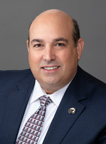
Walt Brooks
Republican · House District 75 · Executive Appropriations Vice Chair
Hear from them directly
Contact Rep. Walt Brooks
- Email: wbrooks@le.utah.gov
- Phone: 801-520-3898
Constituents get priority, so say you live in their district. Writing about a specific bill? Open it and use Take action for a ready-to-send message.
Watch or join a meeting
Every committee hearing and floor session is open to the public and streamed live on le.utah.gov. Each committee's agenda has the link to watch or join online, and how to sign up for public comment.
Walt Brooks serves on:
- Executive Appropriations Committee
- Public Education Appropriations Subcommittee
- House Natural Resources, Agriculture, and Environment Committee
- House Public Utilities and Energy Committee
- Natural Resources, Agriculture, and Environment Interim Committee
- Public Utilities, Energy, and Technology Interim Committee
- Federal Funds Legislative Oversight Committee - Rural Health Transformation Grant
- Medical Cannabis Governance Structure Working Group
What they've said
104 remarks on 19 billsH.B. 84 Dangerous Weapon Amendments · House floor debate (day 45) · Mar 6, 2026
Describes amendments he worked on in the Senate committee, which he says make it illegal to open carry in some circumstances and include some technical changes.
▶ Watch at 5:48Read what they said
Yes. It was some amendments that, um, I participated in in the Senate committee room just basically making, um, it illegal to open carry in some technical Changes.
S.B. 193 State Legal Holiday Amendments · House floor debate (day 45) · Mar 6, 2026
Introduces the bill recognizing Good Friday as a state holiday and asking schools to coordinate days off with other holy days, and says it encourages reflection on faith and tradition.
▶ Watch at 37:02Read what they said
Thank you Mr. Speaker. You know, being part of this legislature, I, I've been impressed about many of the things we've been able to participate in and, and witness one of them is when we start our, our day, we offer a prayer. And it's not just the main Christian prayer that we typically hear in the state. We've just, a few days ago, we gotta hear a prayer from the Native Americans, which I thought was pretty cool. Um, when it was my turn, we had some Roman Orthodox say, a prayer. Um, we've been exposed to a lot of these things because religion is a, is a strong part of our, our culture, and it's a strong part …
S.B. 193 State Legal Holiday Amendments · House floor debate (day 45) · Mar 6, 2026
In closing, urges support, saying the holiday gives people time to reflect on faith and on what they are proud of, and notes that California observes it.
▶ Watch at 44:58Read what they said
Thank you. I really appreciate the comments that have been made in this, this for this bill. Um, I, I take this one to heart and I think it's an opportunity for us to recognize, um, our faith no matter what it is, if it's Jewish or, or different dominations of the Christian religion, that we can take time to reflect on what is greater than ourselves. Um, when I look into the other states that recognizes even the land of heathens, California recognizes this holiday. So anyway, hope no one's from California here. But anyway, uh, I, I do think it's a time for us to stand up for what we are proud of. And we are many things …
S.J.R. 8 Joint Resolution to Initiate a Law School at Utah Valley University · House floor debate (day 45) · Mar 6, 2026
Asks that southern Utah be considered in the discussion and notes that the Wasatch Front extends to Santaquin.
▶ Watch at 56:33Read what they said
Thank you, Mr. Speaker, toward him. I, I appreciate the comments that have been made. Um, and looking for other resources down in Southern Utah. Or we like to call Dixie because we have this Payson Dixon line. Have you notice that no one mentioned anything below Payson? That's right. We do exist down there. And it's probably the first time I stand to actually agree with my good colleague from Logan that Logan is not the Wasatch front, but lets you know that once you get to Santaquin, you're in Salt Lake from all of us from down south.
H.B. 84 Dangerous Weapon Amendments · Senate floor debate (day 45) · Mar 6, 2026
Presents H.B. 84, which would let people 21 or older carry a dangerous weapon at higher education institutions without a concealed carry permit, while prohibiting open carry on those campuses except when responding to an active threat; says the bill passed the House unanimously.
▶ Watch at 1:17:37Read what they said
Thank you. Thank you Mr. President. This bill addresses carrying of dangerous weapons at Institution of Higher Education. It would allow an individual 21 years or older to carry a dangerous weapon at an institution of higher education without a concealed carry permit. This bill addresses both private and public institutions prohibits open carry. I I repeat it prohibits open carry on higher ed campuses unless responding to an active threat elementary and secondary school. Open carry is not allowed unless going, responding to an active threat. This promotes gun safety and responsibility on campus eliminates off campus on campus confusion by clarifying existing law relating to firearms or public ed campuses that receive support from higher education leadership and …
S.B. 287 Targeted Advertising Tax · House floor debate (day 45) · Mar 6, 2026
Moves to adopt the first substitute to S.B. 287 and says some lines need to be added for the presenter.
▶ Watch at 1:59:15Read what they said
Thank you Madam Speaker Roam motion to substitute That motions in order. I would like to adopt, uh, first sub SB 2 87. Would you like to speak to it? There's a few lines in there that I think need to be added for the presenter.
H.B. 508 State Facilities Modifications · House floor debate (day 44) · Mar 5, 2026
Moves to concur with the Senate amendments to H.B. 508 and explains the bonding provisions he added, including the division's authority to require performance and payment bonds when necessary.
▶ Watch at 23:30Read what they said
Thank you Mr. Speaker motion to concur with this Senate amendments. Thank you representative. That motion is an order. Would you like to speak to it? Yes, I would. It was actually my amendment that I made into the Senate. Um, this bill was a pretty hefty bill and it took some time to get the language from DFCM into this bill about this component. It's about bonding. The meat of this is on line 52 in the summary that says that it authorized the division to require performance and payment bonds when necessary to protect the division from financial loss or performance risk. And on lines 9 0 9 to about nine 14 is where it's spelled out in …
H.B. 508 State Facilities Modifications · House floor debate (day 44) · Mar 5, 2026
Explains that current law requires payment bonds on every state building and that the bill lets DFCM decide which buildings need bonds.
▶ Watch at 25:25Read what they said
Thank you Mr. Speaker for that question. Um, currently in law, the state requires payment bonds on every single building that we've built. So what this does is it accepts us from that requirement and allows DFCM to use their discernment on which buildings are necessary to bond on which ones are not.
H.B. 508 State Facilities Modifications · House floor debate (day 44) · Mar 5, 2026
Explains the existing code provision and says that bonds are expensive and that the state can rely on DFCM's qualification of contractors.
▶ Watch at 25:55Read what they said
On line 90, that's the existing code. Oh, I'm sorry. It shows up red on the comparison, so I just wanted to make sure for section one, section 14 dash one dash 19, it just says it's amended to read this and it's all in red. So Yeah, so it, it refers to that in, in code, but basically it's the same, um, concern that we had before. So if an entity is failure to get a bond, they have the discretion to make sure that they have qualified contractors doing work that they feel comfortable with. That's not necessary because bonds are extremely expensive. For example, our beautiful north building was built by a very reputable contractor, but we …
H.B. 508 State Facilities Modifications · House floor debate (day 44) · Mar 5, 2026
Responds that contractors are prequalified and that DFCM uses contingency funds and a 5% retention to protect subcontractors and the state.
▶ Watch at 27:29Read what they said
But I have to refer to my rural folks to use some farm orders for that. But the reality is we have to pre-qualify contractors that don't do what you're suggesting. The the whole idea is that, um, if someone fails on it, the contractor is still responsible. So we have a lot of tools with DFCM. One of 'em is a contingency bug, so there's funds there in case such a thing arises too is they had another tool is called retention. So when a contractor does work, which is really the subs doing the work, um, bef when they get finished, they submit it for a draw. That draw gets paid out to the contractor to pay the …
H.B. 508 State Facilities Modifications · House floor debate (day 44) · Mar 5, 2026
Closes by thanking colleagues, saying bonds have rarely been revoked, and expressing confidence in DFCM's contingency and qualification tools.
▶ Watch at 30:46Read what they said
Yes, thank you. I really appreciate the comments, especially from our good representative from Lehi. He's been in this industry, he knows the ins and outs and sometimes the shady things that some contractors can do. Um, the reality is that over the last 42 years we have very little opportunity or had, um, incidences where we've had to revoke a bond and where there were cases, the difficulty for the bonds actually paying is would cost us more to try to do it than it was actually what we're trying to save. So DFCM in their wisdom has actually built these tools in place to make sure that we have contingency buckets. We have qualifications more than just if …
S.B. 8 State Agency and Higher Education Compensation Appropriations · House floor debate (day 43) · Mar 4, 2026
Presents the bill, which provides appropriations for state employee compensation, including a 2.5% labor market increase for state and higher education employees, a 2.5% increase for judicial branch and constitutional offices, health and benefit cost changes, retirement changes, 401k match funding, and funding for SB 22 benefit changes.
▶ Watch at 29:53Read what they said
Good morning, Mr. Speaker. This bill provides appropriations that are related to the state employee compensation adjustments. So give you a summary. It provides a 2.5% labor market increase for state employees and higher education employees. Uh, 2.5% marketed increase for judicial branch and constitutional offices. It provides health and benefit, uh, cost changes as recommended by the Public Employees Health Program. Um, it funds the retirement changes that we have in our system by URS and it also provides funding for the 401k match and it also provides funding for the benefit changes made by SB 22, which is the state employee benefits amendments. So with that, I'm open to any questions.
H.B. 8 State Agency Fees and Internal Service Fund Authorization and Appropriations · Senate floor debate (day 43) · Mar 4, 2026
Presents H.B. 8, which authorizes internal service fund rates, fees, and fiscal year 2027 appropriations, and thanks the chair before handing off.
▶ Watch at 39:28Read what they said
and authorizes the rates and funds the impacts of any rates changes for the internal service funds. Internal service funds are used by agencies to pay other state agencies for goods and services on a cost reimbursement basis. Examples of a state agency that may have an internal service fund include the Department of Government Ops and the Attorney General's office. This bill authorizes in line a lines 98 95, uh, 196 pages of worth of fees beginning on page 87. Many of these fees remain the same from year to year, but require reauthorization by the legislature every year. The Bill Appropriates 3.8 million in operating and capital budgets for fiscal year 2027, including 5.5 million from general income …
S.B. 45 Kratom Adjustments · House floor debate (day 43) · Mar 4, 2026
Supports the bill, arguing kratom is an opioid that should be regulated like other opioids and sharing a constituent's experience of opioid relapse. · speaker not certain
▶ Watch at 1:37:30Read what they said
Uh, thank you, Mr. Speaker. I'd like to rise in support of the bill and, and maybe even take a minute and answer the question because it's, uh, asked by the sponsor of the previous substitute. It's a fair question. Why, why would you regulate this different from other substances? Well, different substances have different properties, and this substance is an opioid. And we do not allow manufacturers outside of a medical setting to produce and sell an opioid in vape shops or really anywhere. We have a different way that we do opioids. And there are no opioids allowed to be produced outside of, uh, medical guidelines right now because of how dangerous they are and how addicting they …
H.B. 349 Statewide Water Storage · Senate Natural Resources, Agriculture, and Environment Committee · Mar 3, 2026
Said he needed to adopt the first substitute to the bill.
▶ Watch at 39:32Read what they said
Do you have any substitutes or amendments to No, I do not, Sir, to Speak to. Okay. Oh, Wait, yes, I do. I need to adopt the first sub. Do you,
H.B. 349 Statewide Water Storage · Senate Natural Resources, Agriculture, and Environment Committee · Mar 3, 2026
Presented the bill, which sets out criteria for building a reservoir, including water rights, a local sponsor, readiness, need, affordability, and review by the legislative water committee.
▶ Watch at 39:49Read what they said
So, um, I, I've been here for a while and I know every year we talk about things that we want to do and set up for the future, 50 years, a hundred years in the future. And one of those issues has been water. We always talk about water and making sure that we have enough of it and, and we can store it in a proper way, or how we can't just build a dam if there's no water and whatever. So what is the thoughts that go into that? So over the last, um, interim, I've been working with the state water engineer and the director of water resources of, of what policies we need to put …
H.B. 349 Statewide Water Storage · Senate Natural Resources, Agriculture, and Environment Committee · Mar 3, 2026
Said a central Utah reservoir could support demand management, which the state engineer has been working on.
▶ Watch at 43:09Read what they said
So, uh, one, one benefit. Let's say if there was a reservoir in central Utah near your neck of the woods, then it can be use what's called demand management. So we could actually pull water from the Colorado side, that's ours to store there and necessary it could flow to the other side. So demand management is something the state engineer's been working on, and I think a really valuable component of what this could provide as well.
H.B. 349 Statewide Water Storage · Senate Natural Resources, Agriculture, and Environment Committee · Mar 3, 2026
Said the bill does not specifically address state cost-sharing, noted state parks and recreation as possible partners, and explained that the funding piece was removed because existing legislative water bodies handle it.
▶ Watch at 44:05Read what they said
Um, yes and no. It doesn't specifically detail what you're suggesting, but part of this process is, um, recreation is an economic development tool, right? And state parks love to be managers of these water bodies because it takes the load off of the, the entity that's in charge of it, but able to create resources. And if you try to go camping, there's not enough campsites really in the state. So they're always looking for activity. So there is a partnership between how we can best utilize the resources around the state as well to help fund those pieces. But the whole funding aspect we removed, 'cause we already have one already established, and that's the legislative water commission …
H.B. 349 Statewide Water Storage · Senate Natural Resources, Agriculture, and Environment Committee · Mar 3, 2026
Said cost-effectiveness depends on reservoir size, and that a small reservoir may not be big enough for some uses.
▶ Watch at 45:18Read what they said
Well, it depends because a small reservoir that may be very cost effective, um, wouldn't be big enough for, like, I'll use Pine Valley Reservoir if you know where that's at. It's the little neck of heaven in our woods. Right, right. Where you wanna get away from the heat. It's so small you can't put boats on it, but it's always surrounded by fishermen. So there are, there may be aspects like that. Okay.
H.B. 349 Statewide Water Storage · Senate Natural Resources, Agriculture, and Environment Committee · Mar 3, 2026
Gave a summation saying the bill removes politics from reservoir policy and focuses on clear, practical criteria.
▶ Watch at 48:42Read what they said
Thank you. And when we design this, we try to remove all politics out of it and get right to the meat of what is really good policy and what needs to be done. And you can see it's fairly simple and is identifying things that are very clear. And I think, um, it, it'll be something good that hangs on for quite a while. Great.
H.B. 8 State Agency Fees and Internal Service Fund Authorization and Appropriations · House floor debate (day 42) · Mar 3, 2026
Says there were a few adjustments to make sure the substitute was accurate.
▶ Watch at 46:41Read what they said
Would you like to speak to it? Yeah, There was a few adjustments to make sure that it was accurate. Line diamonds with numbers.
H.B. 8 State Agency Fees and Internal Service Fund Authorization and Appropriations · House floor debate (day 42) · Mar 3, 2026
Says there were a few adjustments made to make sure the bill was accurate. · speaker not certain
▶ Watch at 46:43Read what they said
There was a few adjustments to make sure that it was accurate. Line diamonds with numbers.
H.B. 8 State Agency Fees and Internal Service Fund Authorization and Appropriations · House floor debate (day 42) · Mar 3, 2026
Explains that the bill authorizes state agency fees, internal service fund fees, and appropriations, mostly unchanged from last year, including stated operating and general fund amounts for fiscal year 2027, and opens the floor to questions.
▶ Watch at 47:18Read what they said
Thank you Mr. Speaker. Yesterday we tried to amend it and to, so everybody had a chance to read it and I hope you had a, a great chance to read all 9,895 lines of this thrilling bill. Basically it does two things. It's this, uh, authorize the fees for the state agencies that we charge the public and authorize the fees that we use for what we call the ISF or Internal Service Fund and the appropriations, nearly every single one of those fees and appropriations that are in this bill are unchanged from last year, but we bring this up every year so we can be able to have eyes to look at it. Um, the Bill Appropriates …
H.B. 8 State Agency Fees and Internal Service Fund Authorization and Appropriations · House floor debate (day 42) · Mar 3, 2026
Explains that the bill authorizes state agency fees and Internal Service Fund fees and makes appropriations, with most fees and appropriations unchanged from last year, and lists the appropriation amounts for fiscal year 2027.
▶ Watch at 47:18Read what they said
Thank you Mr. Speaker. Yesterday we tried to amend it and to, so everybody had a chance to read it and I hope you had a, a great chance to read all 9,895 lines of this thrilling bill. Basically it does two things. It's this, uh, authorize the fees for the state agencies that we charge the public and authorize the fees that we use for what we call the ISF or Internal Service Fund and the appropriations, nearly every single one of those fees and appropriations that are in this bill are unchanged from last year, but we bring this up every year so we can be able to have eyes to look at it. Um, the Bill Appropriates …
H.B. 508 State Facilities Modifications · Senate Government Operations and Political Subdivisions Committee · Mar 2, 2026
Rep. Brooks said a third substitute would be presented, making minor changes and allowing DFCM to use or not use payment and performance bonds.
▶ Watch at 1:49:16Read what they said
Thank you, Mr. Chair and Committee. There's a a third sub that I'll be talking to, and I'd like to adopt that when it's appropriate.
H.B. 508 State Facilities Modifications · Senate Government Operations and Political Subdivisions Committee · Mar 2, 2026
Rep. Brooks described the third substitute's changes, including referring to the government entity, allowing DFCM to decide on bonds, and making the bill immediately effective.
▶ Watch at 1:49:24Read what they said
So the third sub makes some minor changes about, um, referring to the government entity and also, um, puts in, allows the division of, of facilities and constructional management to be able to use, um, payment and performance bond or not when appropriate. It also changes the, the date to make it immediately effective. Sorry about that. That's all right. That's it. That's it.
H.B. 508 State Facilities Modifications · Senate Government Operations and Political Subdivisions Committee · Mar 2, 2026
Rep. Brooks said the bill was worked on over the summer with DFCM to reduce state building costs, through shared savings, raised building limits for agencies with an MOU process, and changes to bonding requirements.
▶ Watch at 1:50:51Read what they said
Thank you Mr. Chair. So, um, HP 5 0 8 was a bill that we've worked on all summer long, myself and Senator Ipson to try to figure out why we've had such cost escalations in our, our state buildings. Um, some suggest that any building built by DFCM is an a 30% increase in cost. Um, DFCM has been absolutely fantastic to work with to try to identify all the aspects of what actually does cause cost escalation. Um, just like most government entities, they're trying to do their very best and they put rules and, and policies in place to protect taxpayer funds. But sometimes those policies actually raise the bar with no benefit, which causes an escalation …
H.B. 508 State Facilities Modifications · Senate Government Operations and Political Subdivisions Committee · Mar 2, 2026
Rep. Brooks responded that the $1.5 million limit was set with DFCM oversight and contractor responsibility in mind, citing a Southwest Tech diesel shop example.
▶ Watch at 1:57:20Read what they said
So that, that's a very good question. That was one that's brought up quite a bit. Um, I'll give you an example why we settled at that 1.5 to Southwest Tech in Cedar City wants to build a two bay diesel mechanic shop. It's a metal building, it's $2.5 million. So we're talking about really small buildings like a, a metal utility building for football equipment or something like that. DFCM still has complete oversight and, and, um, visibility in what the project is. Um, they were concerned that they might raise too many of 'em that they can't control it. But the reality is, is the people who are bidding on these projects are already some of the best …
H.B. 508 State Facilities Modifications · Senate Government Operations and Political Subdivisions Committee · Mar 2, 2026
Rep. Brooks said the state has not recovered on bonds in decades and that an escalation fund already covers the same purpose, and urged support.
▶ Watch at 2:03:07Read what they said
Thank you. So I appreciate the comments that are being made. Um, since the state has bonding the whole time through the last decades, multiple decades, and they've never paid on 'em, they've already put those provisions in place because they've never been able to recoup on any of the bonds. So we have a, what's called an escalation, a consistency fund that also is there for this very purpose because we've been utilizing it for over 10 years in this very process. So I really appreciate the motion. I think this is a good bill that's gonna help the state maintain and, and build great quality buildings by, but still looking at the cost and build the best we …
H.B. 315 Human Development Instruction · House floor debate (day 41) · Mar 2, 2026
Says the substitute will be made so the numbers are accurate and circulated for review, with action to be taken tomorrow.
▶ Watch at 30:40Read what they said
Yes, Mr. Speaker, we just need to make a substitute so the numbers are accurate and then we'll circle it so everyone has time to look at it for tomorrow, But we'll do that tomorrow 'cause it's not available for action today. So, uh, if everybody can look at that substitute online, that's what it will be substituted with tomorrow. Please do that. Thank you.
H.B. 165 Critical Infrastructure Amendments · House floor debate (day 38) · Feb 27, 2026
Moves that the House refuse to concur with the Senate amendments and ask the Senate to recede from its amendments.
▶ Watch at 12:46Read what they said
You Mr. Speaker. I make a motion that we refuse to concur with the Senate.
H.B. 165 Critical Infrastructure Amendments · House floor debate (day 38) · Feb 27, 2026
Says the motion is in order and that the Senate left out some items the House wants to address.
▶ Watch at 13:05Read what they said
Uh, that motion is ordered as I speak to it With all their wisdom. They forgot some things and we need to go address them.
S.B. 209 Gooseberry Narrows State Park Study · House Natural Resources, Agriculture, and Environment Committee · Feb 26, 2026
Rep. Brooks said his storage-siting policy evaluated many potential reservoir sites and Gooseberry ranked in the top four.
▶ Watch at 1:22:53Read what they said
Is that on? Is it on? Thank you. Yeah, we, um, looked at several different reservoirs and, and put together a policy that what would we look at for water storage and put some pretty high bars on what needed to be done. Um, state use water rights property, um, a partnership with the water district, and this Gooseberry reservoir scored among the highest. So it's actually, um, one of the great values that it has to not just for recreation, but for storage water management, so we can move water in different places that needs be. So out of all the 108 hundred three sites that we looked at, um, gooseberry was in the top four.
S.B. 209 Gooseberry Narrows State Park Study · House Natural Resources, Agriculture, and Environment Committee · Feb 26, 2026
Rep. Brooks said the amendment's direct and indirect cost requirement could tie up the study indefinitely.
▶ Watch at 1:48:05Read what they said
Thank you, Mr. Chair. Um, reading through the amendment, I do see, um, something that could be quite problematic is on line 31, it says, this talks about the expected one time and ongoing cost, including direct and indirect costs, which could basically tie this up forever. And, um, my feeling is just what we've heard today, that might be intentional.
H.B. 84 Dangerous Weapon Amendments · Senate Natural Resources, Agriculture, and Environment Committee · Feb 26, 2026
Explains a clarification in the amendment addressing concerns that private institutions were not covered properly.
▶ Watch at 36:55Read what they said
Yeah, so there was a, a confusion or a concern that, um, private institutions weren't covered properly. So we went and made a clarification referencing section 76 dash 1 0 1, which refers to 53 H dash 1 0 1, which refers to 53 H 1 0 2 to make sure that they're all listed out of what, um, this refers to. Exactly.
H.B. 84 Dangerous Weapon Amendments · Senate Natural Resources, Agriculture, and Environment Committee · Feb 26, 2026
Explains that the amendment removes open carry on campuses, keeps permitless and concealed carry, and clarifies that open carry is not allowed on higher education and K-12 campuses.
▶ Watch at 37:51Read what they said
Thank you. Last year, um, we, we made kind of a, a small mistake, but when we reified this section, 'cause it's had 30 years of additions and changes, they reified the whole thing. It, it tweaked the law a little bit. We used to allow open carry, concealed carry, permitless carry all in higher ed campuses, and, and it removed part of that. So we're reinstating some of it. Um, but we had a lot of concern on higher ed campuses with the higher ed board about open carry. So we removed open carry this, what it does now allows permitless carry, which we, um, had, had before and concealed carry, which we've always had. What it does do, …
H.B. 84 Dangerous Weapon Amendments · Senate Natural Resources, Agriculture, and Environment Committee · Feb 26, 2026
Says campuses have had such access for decades and he is not aware of data showing whether it makes campuses safer.
▶ Watch at 39:25Read what they said
by having more access to firearms? Well, We, we've had these access and that's a good question on, on our campuses for decades. And I think that the, those that data points to itself, I, I don't know that that's, maybe that's a lack of data that we have.
H.B. 84 Dangerous Weapon Amendments · Senate Natural Resources, Agriculture, and Environment Committee · Feb 26, 2026
Says the bill lets a student in a dorm room who does not want a roommate with a weapon request accommodations.
▶ Watch at 39:55Read what they said
Yeah, actually we do address that. So if someone is in a dorm room and doesn't want to have a, a roommate that has a weapon, it says that they can make accommodations for that person.
H.B. 84 Dangerous Weapon Amendments · Senate Natural Resources, Agriculture, and Environment Committee · Feb 26, 2026
Says the bill has come from many constituents and Second Amendment organizations, and that the higher education board supported clarifying open carry rules.
▶ Watch at 41:12Read what they said
Well, it's come from a lot of different sources, a lot of constituents, a lot of Second Amendment, um, people who are in favor, those organizations. I know I addressed it with the higher ed board and they were really in favor of me moving to the direction where we're clarifying the law about open carry.
H.B. 508 State Facilities Modifications · House floor debate (day 35) · Feb 24, 2026
Presents H.B. 508, which changes how state facilities projects are planned, reviewed, and overseen by DFCM, including raising the agency project threshold to $1.5 million and changing the higher education project approval process.
▶ Watch at 33:15Read what they said
Thank you Mr. Spreak. ProAm, I think each one of us has probably taken on a challenge that's taken all your time. You work on it all year 'cause it's a really deep and complex project. And, and this bill is, is that one for me? It's the DFCM or the Department of Facilities and Construction Management. They're the people that oversee all of our state buildings and make sure that they're get built in the best way possible. Unfortunately, what's tend to happen is they cost 30% more to build a building than if you went lost A year after her husband's death appeared in court today for the first day of her murder Trial. The autopsy, toxicology and …
H.B. 508 State Facilities Modifications · House floor debate (day 35) · Feb 24, 2026
In closing, thanks those who worked on the bill and says it aims to give more contractors the ability to compete on state projects, which could lower prices.
▶ Watch at 37:42Read what they said
Thank you. I, I'd like to give a lot of kudos to those people. That helps. I, one of our good representatives from Ogden was also part of this process to make sure that we are addressing the needs for the state and making sure that we're having a fair process. So more contractors have the ability to compete on these projects, which eventually drive the price down as well. And with that, I, I appreciate your support. Thank you.
H.B. 182 Genetic Information Amendments · House floor debate (day 31) · Feb 20, 2026
Says the Senate changes adjust the bill so it works better with genetic sequencing material, including where the material comes from and how it is used, and calls it a good addition.
▶ Watch at 32:42Read what they said
Yeah. They made a a few adjustments to make sure that it works better with the genetic sequencing material, where they're getting from, how they're using it. It's a good, good addition.
H.B. 537 Olympic Ticket Sales Tax Exemption · House floor debate (day 31) · Feb 20, 2026
Says the yellow fiscal note is meant to prompt a closer look at the fiscal impact, and that it does not mean the bill is flawed.
▶ Watch at 2:06:32Read what they said
Thank you, Mr. Speakers. So those that are confused with what yellow means, it means exactly what's happening right now. It causes you to pause and maybe look a little deeper into the fiscal note and why it's not that it's a bad bill, it's not that it's getting hung up, it's just we need to be a little more attention. 'cause if you look at the top note, it said zero, but there was some reasons why. So, um, those that are getting really concerned about yellow fiscal notes don't, but you're doing exactly what it's meant to do. So thank you
S.B. 121 Medical Cannabis Program Amendments · House floor debate (day 30) · Feb 19, 2026
Sponsor says this is the annual cleanup bill for the medical cannabis program, extending the UDAF licensing board's ownership-change review from 30 to 60 days to address out-of-state ownership, changing a labeling term, requiring license revocation for certain pharmacy couriers or agents with felonies, and extending the working group by one year.
▶ Watch at 1:04:27Read what they said
Thank you Mr. Speaker. It's great to be over here where the sun shines. Um, this is the, the annual cleanup bill for cannabis. Senator Vickers and I have the great opportunity to, to chair this chill committee. And so, um, we go through each year and, and work with, uh, UDAF and the Health and Human Services to make the necessary changes and tweaks to make, uh, make this the medical cannabis system work. Um, a couple things I'll just point out to you. Um, it gives more time to the UDAF from their licensing board from 30 days to 60 days to review the ownership change. What we found that some ownerships of cannabis licensed companies were out-of-state …
H.B. 165 Critical Infrastructure Amendments · Senate Transportation, Public Utilities, Energy, and Technology Committee · Feb 18, 2026
Said he was speaking to the third substitute of the bill.
▶ Watch at 30:14Read what they said
Yes. And I'm speaking to the third sub, so if it's appropriate between adopt that sub
H.B. 165 Critical Infrastructure Amendments · Senate Transportation, Public Utilities, Energy, and Technology Committee · Feb 18, 2026
Explained the third substitute's changes: consistency with existing code on federally prohibited materials and equipment, and using 'government entities' in place of 'state'.
▶ Watch at 30:27Read what they said
Right. There was just some consistencies that we try to make through the bill that we already have in code, and that's using, um, federal prohibited, um, materials and, and equipment. And then the second part was instead of calling state, calling it government entities.
H.B. 165 Critical Infrastructure Amendments · Senate Transportation, Public Utilities, Energy, and Technology Committee · Feb 18, 2026
Described the bill as requiring government entities and special districts to check operational technology in water, communications and electrical systems for malware and shield it from remote access, and said DTS funding could help smaller entities.
▶ Watch at 31:12Read what they said
Thank you Mr. Chair. Um, this is actually a small bill, but it's a really important bill. Um, you may have saw just a couple days ago, I guess it was Thursday of last week, where, um, we had a, a press release with the governor talking about some foreign influences buying property and different things. Um, I'm kind of glad that the media didn't get picked up on this part. It was basically me and, um, representative Pucci speaking about these two pieces. Um, because I guess it doesn't flat out explain it, but it really would scare you to death. Our water infrastructure, um, communications and electrical, um, they have components in them that we really didn't realize …
H.B. 165 Critical Infrastructure Amendments · Senate Transportation, Public Utilities, Energy, and Technology Committee · Feb 18, 2026
Said the bill covers both foreign and domestic threats and that active threats prompted it.
▶ Watch at 32:54Read what they said
I mean, I would guess that that would still be Issue issue. It would, it would cover domestic as well, but, so this is both. Okay. We have had active threats with it, and so that's where this came from. Okay. Thank you. You're Welcome.
H.B. 508 State Facilities Modifications · House Government Operations Committee · Feb 18, 2026
Introduces HB 508 and says a second substitute will be offered and explained.
▶ Watch at 1:29:49Read what they said
Good morning, Mr. Chair and committee. Morning. It's, uh, a pleasure to be here. Before I start, I do have a second sub that we'll need to adopt and I'll be speaking to
H.B. 508 State Facilities Modifications · House Government Operations Committee · Feb 18, 2026
Presents the bill's changes to state facilities construction, including programming requirements, raising the agency building threshold, MOU oversight, cost-savings incentives, and contingency fund rules.
▶ Watch at 1:30:01Read what they said
Um, this is A-D-F-C-M bill. It's a division of facilities and construction management. Um, we've probably all had bills like this. This, this is enormous. It's a, um, really complex and one of our great staff members in this committee. Ms. Jarvis, was critical in this, um, putting this together. So really appreciate her support and her help. Um, DFCM is designed to be able to help us, um, build buildings that are of high quality and at the best price. And it's been in, um, in existence for quite a long time. And like most government organizations in their attempt to save money, they cost more money. And I think some of these regulations that we put in place …
H.B. 508 State Facilities Modifications · House Government Operations Committee · Feb 18, 2026
Explains that the building threshold has not been raised in years, that the MOU process provides oversight, and that higher education and technical college thresholds are set lower.
▶ Watch at 1:42:20Read what they said
Of those? Sure. Those are both really good questions. So the per the first part about the raising the limit, right? Um, that limit hasn't been raised for years. I, um, Christy, do you remember how long? It's like over 20 years, I believe it hadn't been raised. So one of it's just because of cost escalations, it's necessary. Um, the DFCM was concerned about raising it that much 'cause all these projects could happen and they can't manage all of them. Well, again, my point is, when you go build a building, especially one of a million dollars, you don't hire your buddy Joe to come build this. I mean, you get a contractor that comes in, he's the …
H.B. 508 State Facilities Modifications · House Government Operations Committee · Feb 18, 2026
Says programming before funding requests is expected to reduce costs by defining the building's scope before the budget is set.
▶ Watch at 1:44:37Read what they said
No, it, it actually will. That's the single thing that will reduce costs more than anything because before they come in and ask for money, they need to have the program done. So the that means, and program's not the architectural part of it. It is like basically think of a building blocks. We got classrooms, we got mechanic space, we have office space, whatever. And we put it so they know this is gonna be a 50,000 square foot building or a 90,000 square foot building. We know what's going into the building and then they begin kind of designing what should it look like? Like not the architectural part of it, but we want it made out of …
H.B. 508 State Facilities Modifications · House Government Operations Committee · Feb 18, 2026
Responds that DFCM will stay aware of smaller projects under the bill and that the bill aligns statutes with DFCM rules.
▶ Watch at 1:47:07Read what they said
No, um, there's only one bill that I know of that's in conflict of saving money and that was a bill that I believe passed the committee that says we need to mandate certain pay levels for certain subs. I think that's can be counterintuitive to this process, but we want, we want DS M involved. Um, before, I think it's fair to say that if there's someone who's gonna go build a small project, let's say it's under a hundred thousand 'cause that was the limit before, they really didn't, they just went and did it. Right? So DFM is like almost surprised sometimes that they, where did this happen? Where did this building come from? So what we're …
H.B. 508 State Facilities Modifications · House Government Operations Committee · Feb 18, 2026
Explains that cost per square foot varies by building type and location and that the bill will separate construction and furniture, fixtures and equipment costs for comparison.
▶ Watch at 1:49:32Read what they said
Walk through that. That's a good question. Um, using public ed to this, it's, it's hard because public head's so scattered. We have buildings that are built up north here that are just ridiculous in public head. But in the southern Utah, Washington county builds the cheapest per square foot buildings than anywhere in the state because they pick a building and they build 15 of 'em. And that's usually tilt up cons, um, tilt up concrete construction that they're all the same so they can just go and just pound 'em out. And they have done a phenomenal job. They got, they got an architect on staff, they have their construction manager on staff, that's what they're driving for …
H.B. 508 State Facilities Modifications · House Government Operations Committee · Feb 18, 2026
Thanks DFCM, the governor's office, staff and the drafting attorney for their work on the bill.
▶ Watch at 1:53:27Read what they said
Yeah, I would like to make a comment on this. Um, this was such a heavy lift. We could not have done it without dfc M'S. Help, without Marvin Dodge and the governor's office. Without Ms. Jarvis and, and our drafting attorney, they put in so many hours to get this where it needs to be. So I'm really appreciative of all the people to help get this across the line. Okay. Appreciate that. Thanks for the work. Alright.
H.B. 84 Dangerous Weapon Amendments · House floor debate (day 29) · Feb 18, 2026
Says the substitute adds clarity regarding open carry and that the bill's provisions will be discussed.
▶ Watch at 11:11Read what they said
Yeah, it just adds some clarity to, um, open carry and we'll discuss that in the bill.
H.B. 84 Dangerous Weapon Amendments · House floor debate (day 29) · Feb 18, 2026
Says the substitute adds clarity about open carry and that the bill will be discussed.
▶ Watch at 11:11Read what they said
Yeah, it just adds some clarity to, um, open carry and we'll discuss that in the bill.
H.B. 84 Dangerous Weapon Amendments · House floor debate (day 29) · Feb 18, 2026
Explains that the amendment adds a subsection clarification that needs to be included, based on draft attorney comments.
▶ Watch at 11:44Read what they said
I was just a, a subsection Clarification that need to be put in or draft attorney co
H.B. 84 Dangerous Weapon Amendments · House floor debate (day 29) · Feb 18, 2026
Says amendment one adds a subsection clarification that needs to be included.
▶ Watch at 11:44Read what they said
I was just a, a subsection Clarification that need to be put in or draft attorney co
H.B. 84 Dangerous Weapon Amendments · House floor debate (day 29) · Feb 18, 2026
Explains that HB 84 keeps permitless open carry in effect, corrects a codification change affecting higher education, and requires a concealed carry permit rather than open carry on public education campuses, while allowing concealed carry without a permit on higher education campuses.
▶ Watch at 12:08Read what they said
You Mr. Speaker ProAm. Um, HB 84 is a bill that we had, um, addressed some time ago. It was about allowing open care, excuse me, um, permitless carry on the streets and that's still in effect. Um, last year when we did a codification of the gun bill, there was a tweak in there that changed how we do with higher ed. There's also was a, a concern about, um, concealed carry on public edge campuses. And so this bill addresses both of those. First with the, the public ed. Um, to me, this is silly, but it's the reality. You have to have a concealed carry permit to carry a, a gun onto public campuses like elementary schools. …
H.B. 84 Dangerous Weapon Amendments · House floor debate (day 29) · Feb 18, 2026
Explains that HB 84 lets people carry concealed with a permit and without a permit on higher education campuses, and bars open carry on public education campuses by permit holders, and says he is open to questions.
▶ Watch at 12:08Read what they said
You Mr. Speaker ProAm. Um, HB 84 is a bill that we had, um, addressed some time ago. It was about allowing open care, excuse me, um, permitless carry on the streets and that's still in effect. Um, last year when we did a codification of the gun bill, there was a tweak in there that changed how we do with higher ed. There's also was a, a concern about, um, concealed carry on public edge campuses. And so this bill addresses both of those. First with the, the public ed. Um, to me, this is silly, but it's the reality. You have to have a concealed carry permit to carry a, a gun onto public campuses like elementary schools. …
H.B. 84 Dangerous Weapon Amendments · House floor debate (day 29) · Feb 18, 2026
Says the bill is good, that higher education was consulted and is neutral on it, and asks for members' support.
▶ Watch at 13:39Read what they said
That's wonderful news. Thank you very much. This is, um, I think this is actually a good bill. We worked with higher ed on, on the, the board. They come to a point where they, they said this is fine. They're neutral with the position. Um, so I appreciate your support. Thank
H.B. 84 Dangerous Weapon Amendments · House floor debate (day 29) · Feb 18, 2026
Says he thinks the bill is good, that higher education worked on it and is neutral, and thanks members for their support.
▶ Watch at 13:39Read what they said
That's wonderful news. Thank you very much. This is, um, I think this is actually a good bill. We worked with higher ed on, on the, the board. They come to a point where they, they said this is fine. They're neutral with the position. Um, so I appreciate your support. Thank You. Thank you. Representative
H.B. 349 Statewide Water Storage · House floor debate (day 24) · Feb 12, 2026
Presents the bill as setting a process for identifying and building water storage reservoirs, and says it has unanimous support.
▶ Watch at 40:58Read what they said
Thank you, Mr. Speaker. I've been up here for 10 years now and every year that we've talked about how we can look forward 20, 50, a hundred years. And one of the issues that we need to, um, address was something that takes 20 and 50 years to develop, and that is water storage or reservoirs. So we worked all last year, worked with the state engineer, the director of water resources, took this to the water task force about what do we need to do to help expedite the process so that we can identify where reservoirs are, what would be the best use for the state, all the different factors that go into making the decision. And …
H.B. 349 Statewide Water Storage · House floor debate (day 24) · Feb 12, 2026
Says the loans would go to water conservancy districts as the partner managing the water resource, and describes a wording change in the bill.
▶ Watch at 42:39Read what they said
So in, in what you're referring to is, if you look at that word is already there, it says in preparation to make, and it already has loans in the piece that we crossed out and rewrote it and is changing it from basically funds to money. Basically it goes to the water conservative districts who would be the partner managing the water resource.
H.B. 349 Statewide Water Storage · House floor debate (day 24) · Feb 12, 2026
Closes by asking for support, calling the bill simple and forward-looking for future water storage.
▶ Watch at 43:07Read what they said
Thank you. I appreciate your support on this bill. It's, it's a simple bill, but it really does give the state some, um, forward-looking ability to really prepare now so we can create more water storage in the future. Thank you.
H.B. 165 Critical Infrastructure Amendments · House floor debate (day 22) · Feb 10, 2026
Presents H.B. 165, which expands protections for critical infrastructure such as emergency services, communications, water, and electrical systems, and says it would let DTS expand its pilot program.
▶ Watch at 2:56:02Read what they said
Thank you Mr. Speaker. For the last couple years we've been working on, um, different organizations and how we can protect UTAHNS from our critical infrastructure being accessed by those who should not access it. This bill expands that and includes, um, protecting our emergency services, communication systems, our water systems and electrical systems. Um, just, just last year, you think that on a water pump, there's not a lot of technology that can be accessed. And there's a, there's usually a little teeny, uh, circuit board and that on that circuit board has what they call operational technology. But what they're finding is there's malware on it that allows someone to be able to re access that remotely and …
H.B. 84 Dangerous Weapon Amendments · House Public Utilities and Energy Committee · Feb 6, 2026
Presents the substitute bill that would allow concealed carry without a permit on higher education campuses and removes open carry from the bill.
▶ Watch at 37:28Read what they said
Thank you, Mr. Chair. So, HB 84, the first sub was basically fixing a mistake that happened last year. So in our code, you could always open, carry and conceal, carry on higher ed campuses, um, with or without a permit for what, the last five years. But when we reified it changed a few pieces that changed that. So, um, my first was just getting back to way it used to be, but open carrying does cause a lot of concern with a lot of people, especially on campuses working with the, the higher ed commissioner, we removed that piece. So it is just concealed carry weapons is the only thing that it's allowed on higher ed campuses. And …
H.B. 84 Dangerous Weapon Amendments · House Public Utilities and Energy Committee · Feb 6, 2026
Says open carry is already illegal on campus and the bill only allows concealed carry without a permit, so it would not change that.
▶ Watch at 43:30Read what they said
Not with this bill. 'cause it's currently illegal to open carry. So if he was carrying a rifle across campus, that's already illegal to do. This just allows concealed carry without a permit.
H.B. 84 Dangerous Weapon Amendments · House Public Utilities and Energy Committee · Feb 6, 2026
Confirms open carry is already prohibited on higher education campuses.
▶ Watch at 43:46Read what they said
Correct. 'cause it's already illegal. It's already illegal. Correct. You cannot, you cannot open carry on a higher ed campus
H.B. 412 Energy Development Planning Amendments · House Public Utilities and Energy Committee · Feb 6, 2026
Brooks moved to pass HB 412 with a favorable recommendation.
▶ Watch at 1:05:54Read what they said
Thank you Mr. Chair. I make the motion that we pass HP 412 energy development planning amends with a favorable recommendation.
H.B. 412 Energy Development Planning Amendments · House Public Utilities and Energy Committee · Feb 6, 2026
Brooks said the bill provides good information that drives good decisions.
▶ Watch at 1:07:06Read what they said
You. This is actually a super bill. You know, good deci good information, drives good decisions, and I think that you've done a great job. Thank you.
H.B. 410 Water Leasing Amendments · House Natural Resources, Agriculture, and Environment Committee · Feb 5, 2026
Praises the sponsor and says it is a good bill.
▶ Watch at 2:11:11Read what they said
No. I think the sponsor did a great job on this. Bill. Thank you to the sponsor. It's a good bill. It's a good bill. You guys are really making me look funny up here.
H.B. 410 Water Leasing Amendments · House Natural Resources, Agriculture, and Environment Committee · Feb 5, 2026
Moves to pass HB 410 as substituted out with a favorable recommendation.
▶ Watch at 2:11:41Read what they said
Thank you. I make the motion, Mr. Chair, that we pass HB four 10 as substituted out with a favorable recommendation.
H.B. 410 Water Leasing Amendments · House Natural Resources, Agriculture, and Environment Committee · Feb 5, 2026
Waives speaking on the motion, thanks the sponsor, and says the bill needed agriculture's involvement to deliver water to the lake.
▶ Watch at 2:11:52Read what they said
No, I waive. Thank you To the sponsor. I'm just gonna say two things. This bill would not have happened without, again, a lot of people and having ag on board, they want to be part of the solution as we look for ways to deliver water to the lake. And I'm grateful to be part of that work. Appreciate the support.
H.B. 182 Genetic Information Amendments · Senate floor debate (day 17) · Feb 5, 2026
Describes the bill's purpose of protecting genetic and DNA information by requiring secure equipment that cannot be remotely accessed by unauthorized people, and says experts support it.
▶ Watch at 39:02Read what they said
is the technology and all that's taking place. And one of those version technology is, is the notion concept of genetic data sequence sequencing, then, uh, DNA sequencing. It's, it's led to major medical advances. We want to keep that safe. That's what the bill is trying to do to keep it, keep this, uh, key and private information outta the hands of the wrong people. Bill requires the use of secure and trusted equipment that does not have or disabled the ability to be remotely accessed by unauthorized individuals or organizations. Uh, leading experts support this bill. It's been, has been, uh, supported through the process and to this point. Glad to answer any questions Mr. President?
H.B. 182 Genetic Information Amendments · Senate Health and Human Services Committee · Feb 3, 2026
Rep. Brooks asks to adopt a fourth substitute to the bill.
▶ Watch at 1:15:39Read what they said
Good afternoon committee. Hello, Senator Buss. I haven't met you yet. Nice to meet you. If I, if I may, Mr. Chair, I, I have a, a fourth sub that I need to adopt.
H.B. 182 Genetic Information Amendments · Senate Health and Human Services Committee · Feb 3, 2026
Rep. Brooks says the fourth substitute incorporates last-minute industry requests and makes the bill easier to understand.
▶ Watch at 1:15:52Read what they said
Go ahead and place a motion to adopt fourth sub, uh, that I'm doing that because it looks like the sub before go back to the bill sponsor to explain that briefly. Sure. There's just some, um, last minute things that came from the industry that, that want to get changed. And so we put them in here to make it a little more easy to understand Discussion for committee.
H.B. 182 Genetic Information Amendments · Senate Health and Human Services Committee · Feb 3, 2026
Rep. Brooks presents the bill, saying it protects genetic privacy by requiring DNA sequencing devices in Utah to disable remote access and requiring a sworn statement to the Attorney General's office every 10 years.
▶ Watch at 1:16:18Read what they said
So, as you aware, D-N-A-D-N-A sequencing is able to do some amazing things. Um, a few years ago in St. George, there was a, a baby born that was having troubles and they couldn't figure out what was wrong. And for two years, the, the family spent nearly a million dollars trying to figure out what was wrong with this infant. Well, they did A-A-D-N-A sequencing on it, found out that she didn't have enough B12, and they gave her B12 and it solved the problem. It was, it was amazing. But these DNA sequencing machines, they also found that they have sometimes some malware or some technology in it that allows it to be accessed from people who should …
H.B. 182 Genetic Information Amendments · Senate Health and Human Services Committee · Feb 3, 2026
Rep. Brooks explains the clinical trial exemption is meant to protect Americans' DNA data while allowing research using data from other countries.
▶ Watch at 1:18:03Read what they said
Absolutely. So Line 83. So, so what we're trying to do is protect Americans that are getting their, um, DNA sequencing. However, there's other people across the world that have done it, and they allow that to be used to be able to study and test. Oh, okay. So we wanna make sure it's clear that if people are doing clinical studies and they're getting this data, that this doesn't prohibit them from using other people's data that they're offering.
H.B. 182 Genetic Information Amendments · Senate Health and Human Services Committee · Feb 3, 2026
Rep. Brooks thanks the committee and says he will make the friendly amendment requested by Sen. Escamilla.
▶ Watch at 1:23:20Read what they said
Thank you for your time. I, I appreciate that. And we'll get the amendment. We is, our attorney says it doesn't make a big difference, but it makes the, the industry feel a little better about it. So I'm happy to make that amendment. But I appreciate your time today.
H.B. 349 Statewide Water Storage · House Natural Resources, Agriculture, and Environment Committee · Feb 2, 2026
Brooks presented HB 349, which sets out a process for reservoir projects to qualify for state funding, with a water right, a local sponsor, and a readiness timeline.
▶ Watch at 59:02Read what they said
Thank You, Mr. Chair and Committee. It's a pleasure to be to the best committee. I wish I could attend more often. Um, this is actually a, a simple bill, but it, it kind of addresses a really large issue. Um, one thing that we try to do in the house is look forward 50 75, a hundred years of what we need to do to competitor the state. Um, we've been talking about building more reservoirs the 10 years that I've been here. Um, but we've haven't really done a lot because the reservoir takes more than one session to build. So we Uintah work on this over the last two years to kind of really make a simple …
H.B. 349 Statewide Water Storage · House Natural Resources, Agriculture, and Environment Committee · Feb 2, 2026
Brooks said the bill covers sedimentation and reduced reservoir capacity, using the St. George Gunlock Reservoir as an example.
▶ Watch at 1:01:21Read what they said
It does, it takes into account all those different issues. In fact, um, I'll give you an example of St. George Gunlock Reservoir. If you notice that it's, it's overflowing, which is really pretty, has all the waterfalls, and we don't have any water. So how did it fill up so quick? It's over half full of dirt. It's full of sand. And so if you look at the annual water that flows through, there is an 88% reduction in capacity because of that. So we did address those things as well. Mr. Chair.
H.B. 349 Statewide Water Storage · House Natural Resources, Agriculture, and Environment Committee · Feb 2, 2026
Brooks said the bill does not change existing loan terms, that a reservoir must benefit the state, and that groundwater storage is still being studied by the state engineer.
▶ Watch at 1:07:51Read what they said
Thank you. I appreciate the comments being made. Um, this s bill doesn't address the, um, repayment and taxes and all those pieces 'cause it's already in code. This just references to that. Whatever those terms are, they would have to follow the same suit if they're looking for a loan for this. So it doesn't address, um, those particulars, um, about the benefit to the state that is part of this, this bill process. They can't go build a reservoir if it doesn't benefit anybody. And there's a lot of things that a reservoir could help with. And that's, um, something that our state engineer is working on is called diversion management. So if we have a reservoir that's …
H.B. 165 Critical Infrastructure Amendments · House Law Enforcement and Criminal Justice Committee · Feb 2, 2026
Presents HB 165 to protect critical infrastructure, citing malware risks to water systems and other sectors, and mentions a related funding request for smaller communities.
▶ Watch at 1:36:48Read what they said
Thank you, Mr. Chair and committee. Um, I have Alan Fuller with me from DTS, um, to help me present with this, this bill. We've worked on this for a couple years now, and it's, it's really trying to protect Utah state's critical infrastructure. Um, if you wanna look at the bill, um, inside, um, started on line 33. It really talks what we're, we're dealing with, like, uh, emergency service, communications, electric power, water wa and wastewater transportation and so forth. Um, what we've found in the last few years is that many of our technologies that we use, we don't realize that there's malware on many of them that allows remote access. So this last year, we've added …
H.B. 165 Critical Infrastructure Amendments · House Law Enforcement and Criminal Justice Committee · Feb 2, 2026
Says the bill stands alone and that the related funding request would help schools and water districts get started.
▶ Watch at 1:40:51Read what they said
Know what? Oh, the bill itself stands alone, but we do, we're trying to help a program that they already have in place that helps with the, um, K through 12, the public school systems and water districts. And this allows that, so let's say a small, um, community, they can provide some funding to help them get started in it until they build up their own revenue source to be able to pay for it.
H.B. 165 Critical Infrastructure Amendments · House Law Enforcement and Criminal Justice Committee · Feb 2, 2026
Says the related funding requests are more complex and are expected to be merged. · speaker not certain
▶ Watch at 1:41:17Read what they said
General governance, uh, the sponsors are, uh, actually a little bit more complex. Senator Harper and Representative Albrecht both did RFAs and I think they're going to merge, be merging those together. Okay.
H.B. 314 Firearm Purchase Amendments · House Public Utilities and Energy Committee · Jan 29, 2026
Moves to pass HB 314 out of committee with a favorable recommendation.
▶ Watch at 1:02:58Read what they said
Thank you, Mr. Chair. I, I move that we pass forward firearm purchase amendments HB three 14 with a favorable recommendation.
H.B. 182 Genetic Information Amendments · House floor debate (day 10) · Jan 29, 2026
Presents the bill to protect genetic privacy by barring DNA sequencing machines from having back doors that could remotely extract patient information, citing a case where DNA sequencing identified a treatable vitamin B12 deficiency in a young girl.
▶ Watch at 55:45Read what they said
Thank you Mr. Speaker. It's my privilege to present this bill again. We went, this bill last year went all the way through our body, but it died on the cynex. We just ran outta time. Um, there's been some amazing things that we been able to do because of genetic sequencing or DNA sequencing. I can tell you the story of a, a young girl that's suffered terribly for years and, and her young age. So like zero to two, uh, in the hospital every single weekend. But because of DNA sequencing, they'll be able to find out that she had a vitamin B12 deficit. And after spending millions of dollars on hospital bills, that one piece where they …
H.B. 182 Genetic Information Amendments · House Economic Development and Workforce Services Committee · Jan 22, 2026
Brooks introduced the bill, which failed last year for lack of time, as a privacy measure addressing DNA sequencers with components that send sensitive genetic data to people who should not have it.
▶ Watch at 1:36:58Read what they said
Thank you, Mr. Chair and committee. Um, I'll actually be speaking to the second sub. Okay. So when the time's ready to adopt that. Yep. I have with me today, Adam Gardner and online Dr. Jackie deal. Um, if there's further questions, then they'll, they'll, I'm gonna give a few moments as part of our presentation, if that's okay with you. Yep. So, um, this bill, um, it may look familiar because we've already went through this before. It was, uh, went through last year, passed unanimously on the house. And because I've not always on the floor of the house, especially in the last, it sat there and sat there and it died there because we ran outta time. …
H.B. 182 Genetic Information Amendments · House Economic Development and Workforce Services Committee · Jan 22, 2026
Brooks said the bill rests on the state's obligation to protect residents' private information.
▶ Watch at 1:42:49Read what they said
Thank you. So, um, this goes quite far, you see, for the potential for, um, negative effects on it. But it comes down to the fundamental principle is as we, as a state, one of our obligations, to make sure that our, our private information is protected. And that's what this bill is intended to do.
H.B. 182 Genetic Information Amendments · House Economic Development and Workforce Services Committee · Jan 22, 2026
Brooks said the fiscal note is zero because enforcement falls within the office's existing responsibilities.
▶ Watch at 1:43:52Read what they said
Absolutely. In fact, if you look at the fiscal note, there's $0 addressed to it because it's part of the responsibility.
H.B. 182 Genetic Information Amendments · House Economic Development and Workforce Services Committee · Jan 22, 2026
Brooks said states can act more quickly than the federal government and that federal policy often follows state action.
▶ Watch at 1:44:14Read what they said
Well, I think they've tried to, to make, um, different rules in place to try to protect us, but as a state, we still have a lot of room to do what we need to do here in the state. And that's why, if you notice that most policies that the Federal Government Act is because the states acted first. I think that we're a little more nimble and can act quicker, but it, it's just something that needs to be taken care of. And I think we can address it quicker. Now, we have, in fact, I'd lean to Adam here a little bit on this. A lot of the bills that we do here in Utah is what …
H.B. 182 Genetic Information Amendments · House Economic Development and Workforce Services Committee · Jan 22, 2026
Brooks said it would not, noting the 2027 effective date gives institutions time to replace hardware and that they have been cooperative partners.
▶ Watch at 1:45:46Read what they said
If you No, it won't. In fact, last year we, we addressed a lot of those issues and make sure that there was a timing. You notice it doesn't take effect till 2027. So if there is such hardware that they're able to replace it. 'cause they're just as, um, it just as important to them to protect our personal data that is to us. So they've been a great partner of trying to making sure that they are in compliant.
H.B. 182 Genetic Information Amendments · House Economic Development and Workforce Services Committee · Jan 22, 2026
Brooks said no, explaining the bill targets hidden remote-access capabilities in equipment, and mentioned a separate bill on water pump malware.
▶ Watch at 1:46:24Read what they said
I'm gonna lean to Adam on This. No, they would not. What we're trying to protect is, I, I think there's some probably laws already in place about that. Um, but what we're trying to do is the har, a lot of people don't know what's in our hardware. Um, there's another bill that I, you'll hear for me later that is on our water pumps that has malware, that allows a remote person to access it and turn 'em on and off, whether it's putting chlorine and taking it out there. This is what we're finding out in these, these last few years, is, um, we have to make sure that our equipment does not have remote capabilities to …
H.B. 182 Genetic Information Amendments · House Economic Development and Workforce Services Committee · Jan 22, 2026
Brooks said the problematic sequencers are already identified and users are large institutions, so accidental violations are unlikely.
▶ Watch at 1:49:15Read what they said
I'm, I'm going to attempt to ask part of that. I'm gonna lean on Adam and, and Dr. Dale if we need to, but, um, we know which ones are bad. And so they're, they're pretty much identified. And like I said, all the partners and, you know, there's not people like in their basement doing data sequencing. This is like University institutes and, and big organizations. So we're not dealing with a whole lot of people that might just accidentally do it. And we do know which, which, um, sequencers are a problem. So that's, that's I think the root to your question, that I don't think that's gonna be an issue.
H.B. 182 Genetic Information Amendments · House Economic Development and Workforce Services Committee · Jan 22, 2026
Brooks said compliance deadlines in 2027 give ample time, the fine is up to $10,000 per violation at the Attorney General's discretion, and continued violators would be acting purposely.
▶ Watch at 1:51:40Read what they said
So this gives the lot of discretion to the Attorney General. And one of the issues was that very question last year. So that's why we gave enough time to make sure that everybody's knows what they're doing. There's compliance. So this is May of 2027 and December of 2027 is where they start telling the attorney generals that they're up to par. So on line, um, 88, it talks about it's a, a fine of $10,000 per violation, and that's up to the Attorney General. So we feel like if someone is still violating at that time, they're doing it purposely. So there's a lot of time to get this thing in order. We want it to be, you …
H.B. 182 Genetic Information Amendments · House Economic Development and Workforce Services Committee · Jan 22, 2026
Brooks said the whistleblower statutes apply regardless of where the funding comes from.
▶ Watch at 1:55:41Read what they said
Well, this is, this is a whistleblower. It doesn't have money care where the money's coming from. Okay. It's, it falls in the whistleblower statutes. Okay.
H.B. 182 Genetic Information Amendments · House Economic Development and Workforce Services Committee · Jan 22, 2026
Brooks identified the provision on recovering actual damages and its purpose. · speaker not certain
▶ Watch at 2:04:59Read what they said
That, that's act that is actually line oh 5, 1 0 5. So basic line oh four says an inaction enforcement sub, um, subsection two or three, the General Attorney General may recover 1 0 5 actual damages. Yeah. So it's basically their effort to go through and try to stop this.
H.B. 182 Genetic Information Amendments · House Economic Development and Workforce Services Committee · Jan 22, 2026
Brooks said actual damages are defined and such provisions are common in code, but he was open to the committee's wishes.
▶ Watch at 2:05:53Read what they said
Okay. I'm willing to talk about it. I, I think actual damages is actually defined, so it's not a runaway train that's, um, being suggested, but this is something that we have in a lot of parts of our code that I'm, I'm open to what the committee would like to do there. Um, anyway, but to, to talk about, if I may, Mr.
H.B. 182 Genetic Information Amendments · House Economic Development and Workforce Services Committee · Jan 22, 2026
Brooks opposed the amendment, saying only bad actors would pay fees, the bill allows disabling backdoor functions instead of removal, and it was narrowly crafted after last year's unanimous passage.
▶ Watch at 2:06:55Read what they said
Yes, but I, so I'd like to address that then. So, um, line oh five, which we were talking about is actual damages and attorney fees. I would highly disagree with making an amendment to that. Okay. The whole purpose of the keeping this fiscal note down is only bad actors will have to pay these attorney fees We don't have, right now in Utah, everyone that's using these data sequencers understand the policy. They understand where it's going, and they're incompliant, they want to be incompliant. So I don't see this as being an issue. Uh, one of the testifiers talked about, um, any component or whatever, it, it'd be great if we read the bill because in line …
H.B. 182 Genetic Information Amendments · House Economic Development and Workforce Services Committee · Jan 22, 2026
Brooks said it likely costs less, since companies with this equipment have IT specialists who could do it.
▶ Watch at 2:09:45Read what they said
I, I don't even think it cost that much. A company that has this type of equipment has an IT specialist that would be able to make that happen.
H.B. 182 Genetic Information Amendments · House Economic Development and Workforce Services Committee · Jan 22, 2026
Brooks thanked the committee and said the long-developed policy is important and in a good spot.
▶ Watch at 2:10:19Read what they said
No, I, I really appreciate everybody's participation in this. I mean, last year was a long time ago, and, um, maybe you have weren't in on this committee too as well, but I really appreciate, I think this type of, um, policy is really, really important. So the more that we get to understand it, and really it does take the fear out of it. 'cause this does have a lot of gie boogie kind of potential in it, right? That's a real word, by the way. Um, it, we really, we really wanna make sure that we're making good policy. And I think, um, this is not just something that's been drummed up really quick. It's been worked on …
H.B. 16 Solar Power Plant Amendments · House Public Utilities and Energy Committee · Jan 21, 2026
Moves to pass HB 16 out of committee with a favorable recommendation.
▶ Watch at 59:51Read what they said
I'd make the motion that we pass HP 16 Solar Power Plan amendments out with a favorable recommendation.
From the official recordings' automatic captions, with speakers and summaries identified by AI. Use the ▶ links to check the recording before you rely on a quote.