Legislators / Lincoln Fillmore
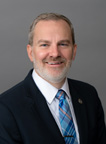
Lincoln Fillmore
Republican · Senate District 17 · Senate Rules Chair
Hear from them directly
Contact Sen. Lincoln Fillmore
- Email: lfillmore@le.utah.gov
- Phone: 801-548-0144
- Office: 350 North State Street Suite 320, Salt Lake City, UT, 84114
Constituents get priority, so say you live in their district. Writing about a specific bill? Open it and use Take action for a ready-to-send message.
Watch or join a meeting
Every committee hearing and floor session is open to the public and streamed live on le.utah.gov. Each committee's agenda has the link to watch or join online, and how to sign up for public comment.
Lincoln Fillmore serves on:
- Criminal Justice Appropriations Subcommittee
- Public Education Appropriations Subcommittee
- Education Interim Committee
- Revenue and Taxation Interim Committee
- Retirement and Independent Entities Interim Committee
- Senate Economic Development and Workforce Services Confirmation Committee
- Senate Law Enforcement and Criminal Justice Confirmation Committee
- Legislative Process Committee
- Senate Retirement and Independent Entities Confirmation Committee
- Senate Revenue and Taxation Confirmation Committee
- Senate Education Committee
- Senate Judiciary, Law Enforcement, and Criminal Justice Committee
- Senate Revenue and Taxation Committee
- Senate Rules Committee
What they've said
511 remarks on 113 billsH.B. 129 Education Board Amendments · Senate floor debate (day 45) · Mar 6, 2026
Asks the sponsor which of the two standards was chosen when aligning the code sections.
▶ Watch at 5:36Read what they said
Thank you Mr. President. One question for the sponsor. Senator Brammer, will you yield? I will. Senator Fillmore, Uh, since they are going from unmatching to matching,
H.B. 170 School Board Referendum Amendments · Senate floor debate (day 45) · Mar 6, 2026
Argues the bill does not make referendums easier, applies the same two-thirds standard to school boards, and moves to pass the bill.
▶ Watch at 21:54Read what they said
Going to use summation and a motion. Thank you, Mr. President. This doesn't make referenda easier. It just extends them to another branch of government that holds legislative power consistent with our constitution. Uh, this, uh, the same two thirds majority, uh, standard applies, which means this could only be used for a legislative action that on a five person school board passed three to two or on a seven person to school board, excuse me, a seven person school board passed four to three. Uh, any, any other outcome would be unre referable because it would pass by such a large majority. Uh, I think, you know, we've seen school boards active in, in participating against referenda, um, against, …
H.B. 219 Higher Education Civics Amendments · Senate floor debate (day 45) · Mar 6, 2026
Presents H.B. 219, which sets an expectation that Utah general education writing courses include American founding documents, court opinions, and speeches as primary sources while leaving curriculum to faculty.
▶ Watch at 1:46:44Read what they said
Thank you Mr. President. We've long understood here in the legislature that civic understanding is not as strong as it needs to be in our society. And that too many children reach adulthood without ever engaging directly with the documents that define our constitutional system. House Bill two 19 addresses this problem by ensuring that Utah's general education writing courses in higher education incorporate seminal American texts our founding documents, landmark Supreme Court opinions, significant speeches from presidents and other leaders. So this bill doesn't, uh, dictate curriculum, but it just, it preserves full faculty discretion while setting an expectation that students should practice close reading, critical analysis and evidence-based argument using primary sources. It's a measured, responsible step to …
H.B. 219 Higher Education Civics Amendments · Senate floor debate (day 45) · Mar 6, 2026
Moves under suspension of the rules that the first substitute of H.B. 219 pass.
▶ Watch at 1:48:00Read what they said
Thank you Mr. President. Uh, under suspension of the rules, I move that first substitute house Bill two 19 pass.
H.B. 113 Emergency Reporting Abuse Amendments · Senate floor debate (day 45) · Mar 6, 2026
Explains that the Senate earlier passed S.B. 99 on repeated non-emergency 911 calls, that Rep. Monson's bill addresses intentional 911 abuse, and that the two bills were combined to address both problems.
▶ Watch at 1:52:42Read what they said
President, uh, several weeks ago, uh, think First or second week of the session, the senate passed Senate Bill 99, which addressed the issue of people repeatedly calling 9 1 1 to report non-emergencies. Like a car is parked out in, in front of my yard or someone has knocked on my door trying to sell me magazine subscriptions and I want the, I need the police to come here and solve this problem. So we passed that bill. Uh, at the same time, Representative Monson over in the house was, uh, tackling essentially the same problem of intentional abuse of 9 1 1. And actually, Mr. President, he reported to me that the, uh, you know, a specific incident …
H.B. 420 Municipal Office Vacancy Modifications · Senate floor debate (day 45) · Mar 6, 2026
Asks whether the bill would allow two candidates to settle a tie by playing a card game, and asks Senator Kwan to yield.
▶ Watch at 2:05:37Read what they said
Thank you. Uh, under this bill, would it be appropriate to have the two candidates play a game of Texas Holden? Okay. I, I'll take that. Senator Kwan, will you yield?
H.B. 411 Human Trafficking Hotline Amendments · Senate floor debate (day 45) · Mar 6, 2026
Asks the sponsor whether she will yield for questions.
▶ Watch at 2:48:28Read what they said
Mr. President. Uh, some questions for the sponsor. Will she yield? Senator Balderree? Will you yield?
H.B. 411 Human Trafficking Hotline Amendments · Senate floor debate (day 45) · Mar 6, 2026
Asks whether a person who suspects human trafficking should call 911 or the new number, and asks who would respond.
▶ Watch at 2:48:36Read what they said
Thank you. I If you see some that you believe might be a victim of human trafficking, 'cause you know they have signs like that at the airport and you call 9 1 1, we'll help arrive. Senator Balderree?
H.B. 411 Human Trafficking Hotline Amendments · Senate floor debate (day 45) · Mar 6, 2026
Asks whether help would also arrive if someone calls the three-digit number.
▶ Watch at 2:48:58Read what they said
Will, if you call some new number will help also arrive Senator Balderree, The three digit number?
H.B. 411 Human Trafficking Hotline Amendments · Senate floor debate (day 45) · Mar 6, 2026
Asks whether calling the new number would bring different help than calling 911.
▶ Watch at 2:49:36Read what they said
So if you call the new number, is it different help that would arrive? Senator Balderree?
H.B. 411 Human Trafficking Hotline Amendments · Senate floor debate (day 45) · Mar 6, 2026
Asks who would arrive in each case if a person calls 911 or the new number.
▶ Watch at 2:49:49Read what they said
Okay, but who arrives? Right? I see someone, they're in my neighborhood. I think they might be a victim of human trafficking. If I call nine one one or I call this new number, who arrives in each of those scenarios? Is it different people?
H.B. 411 Human Trafficking Hotline Amendments · Senate floor debate (day 45) · Mar 6, 2026
Opposes the bill, saying it adds an extra step in an emergency, that 911 is widely known, and that a second number could cause confusion and hurt the intended purpose.
▶ Watch at 2:50:14Read what they said
Let me suggest Mr. President, this is not the right solution. If I see an emergency and someone who is in need of law enforcement help quickly, it sounds like the quickest way to get that person help is to call nine one one. If I call a national hotline that somebody answers in Washington DC and tell them what's going on, what will that national hotline do? They'll call Utah's nine one one. Uh, and, and dispatch law enforcement. I just think that we have added an extra step when time would be more critical. And secondly to that, I think 9 1 1 is universally known. You know, every child learns it from the time that they're even …
H.B. 325 Government Records Classification Amendments · Senate floor debate (day 45) · Mar 6, 2026
Asks for an explanation of the problem the bill addresses, what it aims to solve, and how it does so.
▶ Watch at 3:00:45Read what they said
Uh, I might, uh, appreciate an explanation of the problem here and what we're trying to solve and how we're solving it.
S.B. 165 Economic Mobility Initiative · House floor debate (day 45) · Mar 6, 2026
Describes the bill as applying private-sector innovation to welfare programs to help families reach self-reliance and self-sufficiency, and says it moves in the right direction.
▶ Watch at 3:01:10Read what they said
Thank you Mr. Speaker. This legislation harnesses the innovation of the private sector to our welfare programs and, and helps families move to self-reliance and self-sufficiency. Um, the paper on your desk recognizes that upward mobility happens when we have cross class friendships and partnerships. This bill moves us in the right direction. Thank you, Mr. Speaker.
S.B. 225 Public Corporation Amendments · Senate floor debate (day 45) · Mar 6, 2026
Introduces S.B. 284 and says the House made two changes, one concerning how the height of a building can be regulated.
▶ Watch at 3:27:58Read what they said
Senator Fillmore. Thank You Mr. President. Two changes made in the house. One that has to do with the height of a building. It can be, uh, regulated on
S.B. 284 Local Land and Water Modifications · Senate floor debate (day 45) · Mar 6, 2026
Describes the bill's changes, including regulation of exteriors but not interiors and a city planning requirement before water actions, and moves to concur.
▶ Watch at 3:28:03Read what they said
It can be, uh, regulated on the exterior but not the interior. And then a second said that the city has to make a plan before they can implement a water action. I move to Concur.
H.B. 212 County Formation Amendments · Senate floor debate (day 45) · Mar 6, 2026
Moves to strike the enacting clause on all remaining House bills, Senate bills and resolutions on the Senate calendar and in Senate Rules Committee, returning them to the House or filing them.
▶ Watch at 3:46:53Read what they said
Mr. President, I move to strike the enacting clause on all house Bills, senate bills and resolutions remaining on the Senate calendar and with the Senate Rules Committee and that they be returned to the house or filed.
H.B. 572 Behavioral Health, Mental Health, and Social Services Amendments · Senate floor debate (day 44) · Mar 5, 2026
Moves that the sixth substitute of H.B. 572 pass.
▶ Watch at 47:36Read what they said
Thank you. I'd wa further summation to move that six substitute house bill 5 72 pass.
H.B. 572 Behavioral Health, Mental Health, and Social Services Amendments · Senate floor debate (day 44) · Mar 5, 2026
Moves to suspend the constitutional three-reading requirement for the rest of the day and explains the need for the motion each day.
▶ Watch at 48:03Read what they said
Oh. For the rest of the day, I make a motion that we suspend the constitutional three reading requirements for the rest of the day or For the rest of the day. I think let's just do it for the rest of the day. I have to do that every day so The rest of The day can't do it for the rest of the session, even though we'd like to.
H.B. 572 Behavioral Health, Mental Health, and Social Services Amendments · Senate floor debate (day 44) · Mar 5, 2026
Moves under suspension of the rules that the sixth substitute of H.B. 572, as amended, pass.
▶ Watch at 48:30Read what they said
Yeah. Under suspension the rules I move the six substitute house Bill 5 72 as amended pass.
H.B. 228 Vehicle Sales Amendments · Senate floor debate (day 44) · Mar 5, 2026
Sen. Fillmore explains that H.B. 228 requires any damage history for a vehicle to be disclosed on its title across state lines, so buyers are not misled by washed titles.
▶ Watch at 50:04Read what they said
Thank you, Mr. President. When a vehicle is badly damaged, uh, or totaled out or salvaged and then rebuilt, the damage is supposed to follow the car. You right. A record of that damage is attached through the title brand so that future buyers know the history of the vehicle. But cars are often sold across state lines, especially now. Uh, you know, when you can, you typically would hop on your phone often to buy a car. So states don't always share or check the same records. So that means it's possible for a car to come to Utah with a clean title. I'm making air quotes, uh, a title that looks clean even though it was damaged significantly …
H.B. 508 State Facilities Modifications · Senate floor debate (day 44) · Mar 5, 2026
Fillmore asked whether the $12 million savings on a St. George building is the same as the bonding savings.
▶ Watch at 50:23Read what they said
Uh, thank you. Uh, just following up on, Uh, the last line of question. I think I heard the sponsor say that the cost of, uh, the cost savings on one building in St. George would be $12 million. Is that the same? That's
H.B. 508 State Facilities Modifications · Senate floor debate (day 44) · Mar 5, 2026
Fillmore asked what the cost savings on bonding are.
▶ Watch at 50:46Read what they said
Senator Fillmore Thank Mr. President. What is, what is the cost savings on bonding Senator Ipson? Million?
H.B. 508 State Facilities Modifications · Senate floor debate (day 44) · Mar 5, 2026
Fillmore asked about typical bond costs as a percentage.
▶ Watch at 50:56Read what they said
And is, is that typically, uh, we pay between one and 1.5% on a bond from what I understand. Is that correct?
H.B. 508 State Facilities Modifications · Senate floor debate (day 44) · Mar 5, 2026
Fillmore described a scenario in which a general contractor fails to finish a building or pay subcontractors and asked about the state's liability without a bond.
▶ Watch at 51:10Read what they said
So I just wanna lay out a scenario and see if I can get, uh, an answer to this. So, uh, there's a building going up and we're, we pay the, uh, you know, the standard, uh, calendared payments over the, that are based on the level of completion of the building. Of course, we don't know exactly what the subcontractor uses that money for, but we would hope that the, that the, the general contractor is using that to pay his employees for the work that they are doing and the subcontractors for work that they did. Uh, I think the point of a bond like this is to ensure against a general contractor that goes under right and …
H.B. 508 State Facilities Modifications · Senate floor debate (day 44) · Mar 5, 2026
Fillmore asked the sponsor to confirm that the state would finish the building and pay unpaid subcontractors if the general contractor fails.
▶ Watch at 52:54Read what they said
Yeah, uh, I appreciate that answer, but I don't think it was an answer to the question I asked. In a scenario where a general contractor does not fulfill its responsibilities to both complete the building and pay subcontractors, what is the state's liability in the absence of having issued a bond? They'll Take over the contract, they'll take over the job, they'll take the place of the bonding company and they'll, and in fact take the place of the general contractor and replace it with another contractor. And to be clear, BFCM will supervise the finish. So I, I just wanna be very clear, the state's liability under this bill would be to pay to finish the building with …
H.B. 508 State Facilities Modifications · Senate floor debate (day 44) · Mar 5, 2026
Fillmore said the answers seemed contradictory about the state's responsibility.
▶ Watch at 53:55Read what they said
Uh, I think I heard a contradictory answer there, Mr. President. I heard that it is the responsibility of the state to a point and that point was to finish the building, is I think that's what I heard. Is that correct?
H.B. 508 State Facilities Modifications · Senate floor debate (day 44) · Mar 5, 2026
Fillmore summarized that the state would pay to finish the building and unpaid subcontractors above the holdback and reserve amounts, and asked that this be on the record.
▶ Watch at 54:22Read what they said
Okay. Money. So yeah, obviously if, if the building was incomplete, there will be a five, at least a 5% holdback plus the one or so percent set aside that we do. So we've got 6% of the cost of the building. I'm being very specific here 'cause I want this on the record because this is the question that I am, uh, being asked about by stakeholders on this bill. Out of that 6% or whatever is owed above that 6%, the state is liable to pay any unpaid subcontractors who worked on that facility. Is that correct? That's right. Okay. Alright. And that's what the, that's what the money that's put in reserve is held for
H.B. 549 Energy Efficiency Rebate Amendments · Senate floor debate (day 44) · Mar 5, 2026
Moves to substitute the sixth substitute of H.B. 68 for the fourth substitute, which changes the effective date.
▶ Watch at 1:04:44Read what they said
Well I'm gonna substitute it. Okay, Mr. Uh, president, I would like to move to, um, delete entitle embody four substitutes house bill 68. Replace it with the sixth substitute house bill 68. That changes the effective date. Okay, so that motion's in order looking for the motion to,
H.B. 68 Housing and Community Development Amendments · Senate floor debate (day 44) · Mar 5, 2026
Presents H.B. 68 as a reorganization that moves housing and workforce programs between agencies with no policy changes, a zero fiscal note, and elimination of a governor's office position and a legislative committee.
▶ Watch at 1:14:27Read what they said
Thank you. Uh, Mr. Present? Aye. I, uh, this is a long bill and you'll see why it's a long bill as you take a look at, um, at the long title and just below the long title where it says Utah sections of code affected. Right. Uh, there's a long list of codes that are affected and it says that it, we are reenacting a bunch of provisions, repealing a bunch of provisions, um, amending a few provisions. And that's because what we're trying to do here is reorganize the way that the government oversees its housing and community development programs by consolidating those programs that are about, uh, the supply of housing, right. And creating the development of …
H.B. 68 Housing and Community Development Amendments · Senate floor debate (day 44) · Mar 5, 2026
Says the bill gives the executive branch no new power and only moves programs from the Department of Workforce Services to Economic Development, which are still executive branch agencies.
▶ Watch at 1:17:08Read what they said
Uh, this does not give any new power to the executive branch that didn't, didn't already have. Rather it just moves programs from DWS over to economic development. But those are still executive branch agencies. This doesn't really create any new executive power. It simply reorganizes what's there for the sake of, uh, vertical efficiency. So, uh, just out of the state.
H.B. 68 Housing and Community Development Amendments · Senate floor debate (day 44) · Mar 5, 2026
Moves that substitute H.B. 68 pass under suspension of the rules.
▶ Watch at 1:17:55Read what they said
Thank you. I move that sixth substitute house bill 68 pass under suspension of the rules. Thank
H.B. 329 State Employee Maternity and Leave Amendments · Senate floor debate (day 44) · Mar 5, 2026
Says the bill is the second half of the total rewards benefits rebalance passed earlier, and supports it as a partner with Rep. Defay.
▶ Watch at 1:25:58Read what they said
Yeah, Mr. Uh, president Broda. This is, uh, like the second half of the total rewards rebalance, uh, that we passed a little bit earlier today on Final Passage. So happy to have, uh, representative, uh, defe as a partner, uh, together we're, uh, we're making good changes to employee benefits and to support the bill.
H.B. 537 Olympic Ticket Sales Tax Exemption · Senate floor debate (day 44) · Mar 5, 2026
Explains that the House codified an existing practice regarding leave banks in the bill under discussion.
▶ Watch at 2:02:49Read what they said
Thank you. President Pro Tem over in the house, they codified an existing practice regarding to leave banks
S.B. 229 State Employee Benefits Amendments · Senate floor debate (day 44) · Mar 5, 2026
Explains that the bill codifies an existing practice and creates a separate benefits program for future hires with an opt-in for current employees, and asks for more senators before concurring.
▶ Watch at 2:02:51Read what they said
they codified an existing practice regarding to leave banks and then change this program. Uh, I shouldn't say change the program, but made the program so that, uh, it would apply to all future hires and allow current employees to opt in kind of creating like a tier two employee benefits program. I'm, I maybe would like to get more people here before I concur. Uh, how many votes were on the last bill? 22. Let can I call the Senate before I concur please.
S.B. 229 State Employee Benefits Amendments · Senate floor debate (day 44) · Mar 5, 2026
Says the bill should wait for a fiscal note because of the substitute, and moves to circle the bill. · speaker not certain
▶ Watch at 2:04:04Read what they said
Okay. Act Mr. President, since they made that substitute, I'm gonna wait for a fiscal note. So let's lift the call. I'll move to circle. Okay.
H.B. 195 Precious Metals Amendments · Senate floor debate (day 44) · Mar 5, 2026
Asks whether there are other market participants in transactional gold, given the bill's description of the state acting as a market participant.
▶ Watch at 2:24:08Read what they said
Uh, looking at, uh, the flyer that's been distributed, it says that, uh, this bill authorizes the state to act as a market participant in the use of transactional gold. My question is, are there other market participants in the use of transactional gold?
H.B. 195 Precious Metals Amendments · Senate floor debate (day 44) · Mar 5, 2026
Says private market participants already exist for transactional gold and questions why the state would need to take on that role.
▶ Watch at 2:24:31Read what they said
Okay. Alright. Uh, okay then, Mr. President. I, I would just kind of, I've heard, uh, from at least one, uh, group that already is a market participant in the use of transactional gold. I'm not sure that we need the state to enter this market if it, it seems to me like the, that the private market already has such participants and facilitators and I am, uh, I don't know why we would need the state government to take on this role if it's already being fulfilled in the private market.
H.B. 235 Income Tax Revisions · Senate Revenue and Taxation Committee · Mar 4, 2026
Says he supports the bill and asks why a House bill came to this Senate committee without a House committee hearing.
▶ Watch at 43:49Read what they said
Thank you, uh, Mr. Chair and representative. I really like this bill. I've already voted for it. Um, I'm curious about this, this bill kind of came to us in, in an odd way because I don't think I've ever seen a, a house bill in a senate committee that did not have a house committee hearing. Can you talk to us about that?
H.B. 235 Income Tax Revisions · Senate Revenue and Taxation Committee · Mar 4, 2026
Asks whether bringing the bill this way shows that the House and Senate are united on it.
▶ Watch at 44:25Read what they said
Okay. So it's kind of maybe an effort to show the House and the Senate are united on this bill?
H.B. 591 Nuisance Amendments · Senate Judiciary, Law Enforcement, and Criminal Justice Committee · Mar 4, 2026
Says he supports the bill and will vote for it.
▶ Watch at 1:59:54Read what they said
I, I was just gonna say, I think this bill is awesome. So I'll be voting for this awesome ass bill That is in order.
S.B. 45 Kratom Adjustments · Senate floor debate (day 43) · Mar 4, 2026
Explains that the House added a provision requiring potty training to enter first and second grade and every grade, the same as kindergarten now, and moves to concur.
▶ Watch at 16:47Read what they said
Senator Fillmore, Mr. President the House, uh, inserted a provision that would, uh, require potty training to enter first grade in and second grade honestly and every grade in the same way that we currently require kindergarten, uh, potty training to enter kindergarten. I move to Concur.
S.B. 130 River Restoration Amendments · Senate floor debate (day 43) · Mar 4, 2026
Explains that the House made three small amendments to S.B. 130: allowing the Jordan River Commission to apply for the grant for multi-city projects, and allowing a matching grant of up to 50/50 without requiring it, and moves to concur.
▶ Watch at 29:07Read what they said
Senator Fillmore, Mr. President Over in the house we just made two very small amendments. One to ensure that the Jordan River Commission could apply for, uh, a grant, uh, to do like a multi-city project rather than just allowing cities and counties to, to apply. And then the third was to, uh, make it clear that uh, this grant could be up to a 50 50 matching grant but didn't have to be a 50 50 matching grant. If cities want to put in more of their own money to make their, uh, grant application more attractive, that's just fine. I move to Concur.
H.B. 381 Electric Mobility Device Amendments · Senate floor debate (day 43) · Mar 4, 2026
Opposes the bill, saying it adds driver's license requirements for children riding bikes, that the current supervision law is not enforced, and that the bill overregulates.
▶ Watch at 44:01Read what they said
Thank you. I recognize that I think that the efforts of the house sponsor and the Senate sponsor are to, to expand this in some way, right? Like, let's, if the law requires parental supervision, let's, let's give kids away to do this without parental supervision. But so two things here make me nervous. One, we're requiring kids now to get a driver's license in order to ride their bike around the neighborhood. And that seems really heavy handed to me, even a bike with a battery on it. Um, and second, uh, you know, the, the sponsor talked about how there's this law that currently exists that kids are, have to be supervised if they're riding a bike, but …
H.B. 273 Classroom Technology Amendments · Senate floor debate (day 43) · Mar 4, 2026
Says he and the House sponsor met with a school district superintendent and that the concerns raised were addressed in the substitute.
▶ Watch at 1:19:51Read what they said
Thank you, Mr. President. After the committee hearing, uh, you know, we heard some objections that were raised to this bill by, uh, a few school districts, uh, probably representing, you know, the group of school districts that had taken a position of oppose on the bill. So the house sponsor and I met with, uh, the superintendent of the Granite School District who, um, you know, was addressing, uh, those concerns that were raised. And I heard from my own school district, we addressed all of those concerns. Talked through others. Of course, uh, you know, interest groups usually meet once a week and, uh, that particular interest group meets on Friday, so they haven't had a chance to …
H.B. 146 Mentoring and Supporting Teacher Excellence and Refinement Program Amendments · Senate floor debate (day 43) · Mar 4, 2026
Says Utah has been ranked number one for a long time in a category that the caption does not finish naming.
▶ Watch at 1:22:02Read what they said
Thank you Mr. President Pro Tem. Uh, you know, Utah has been number one for a a long time in,
H.B. 290 Child Tax Credit Amendments · Senate floor debate (day 43) · Mar 4, 2026
Says he sees the issue differently, calls the bill a tax cut for Utah families, and moves that H.B. 290 pass.
▶ Watch at 1:23:56Read what they said
Mr. President. I see this issue very differently. This is a tax cut for Utah families. I I am happy to vote for one tax cut and another tax cut. I move that house Bill two 90 pass
H.B. 575 Fuel Tax and Supply Amendments · Senate floor debate (day 43) · Mar 4, 2026
Appreciates the process and stakeholder negotiations behind the bill, saying it is a better place than the current situation even though he would have drafted it differently.
▶ Watch at 1:30:41Read what they said
Either way. I didn't know if you were or not. So, Uh, yeah, since my my light turned green president, it must be a sign. I would just, uh, I really appreciate the process that leads, you know, to, uh, a bill like this. It started out in a different way, but I appreciate the negotiators working with so many stakeholders to arrive at this position. And, uh, even if it is not, uh, the, you know, the, the final project that I would've drafted, even though I would've drafted something different, I would've had to go through the same sorts of negotiations and might have landed in exactly the same place. And it's a better place than where we …
H.B. 599 Social Services Funding Amendments · Senate floor debate (day 43) · Mar 4, 2026
Says a previously passed bill created an open education resource curriculum for grades K through eight, and that this bill, on school curriculum and standards, started in the House.
▶ Watch at 3:23:45Read what they said
Mr. President, um, we passed earlier in the session a bill that created an open education resource curriculum across grades K through eight. This bill has started in the house
H.B. 312 School Curriculum and Standards Modifications · Senate floor debate (day 43) · Mar 4, 2026
Presents H.B. 312 fifth substitute, which merges social studies curriculum changes with an open-resource curriculum bill and removes parts at the superintendent's request.
▶ Watch at 3:23:55Read what they said
This bill has started in the house and made its way over here. This was focused on creating a similar, um, uh, a similar curriculum, but just for social studies. So, um, in our quest to, uh, try to minimize the number of bills we pass, rather than passing two bills that have great overlap and that, uh, you know, are are on the same topic. Uh, we're gonna take a house Bill three 12 and kind of let it be the vehicle for two, uh, two similar policies. So, um, I, I've got a fifth substitute that I'll move in just a moment. Uh, and we've already passed that, uh, with a large majority out of here earlier. It …
H.B. 312 School Curriculum and Standards Modifications · Senate floor debate (day 43) · Mar 4, 2026
Says the bill shows cooperation between the House and Senate and combines two bills that passed widely in each chamber.
▶ Watch at 3:26:31Read what they said
Thank you. I just wanna say at the outset before we take questions or debate, this is an example of how the process can really work. Well, you know, uh, the Senate kind of works on its thing. The house works on its thing. They kind of cross paths. We meet and we talk and we figure out a way, uh, to do this together. So, um, uh, this represents the best thinking of both bodies and combines two bills that have passed widely in each.
H.B. 312 School Curriculum and Standards Modifications · Senate floor debate (day 43) · Mar 4, 2026
Says school districts spend about $40 million a year on textbooks and that an free open resource aligned to Utah core standards would let teachers choose only what they need, citing committee testimony.
▶ Watch at 3:28:27Read what they said
Uh, we had this debate on Senate Bill one 19 when it passed earlier, but I'm happy to have it again. Uh, school districts currently spend about $40 million a year on curriculum. Uh, I guess I take issue with the notion that if it was all that easy, school districts would be doing it already instead of wasting $40 million on textbooks. Uh, the truth is, it takes professionals and there are a lot of resources out there, and I know some are available for either, uh, some are available open source, um, some are available for purchase, uh, at very high prices. Uh, there are some in between, but none of them is specifically designed to Utah's core …
H.B. 312 School Curriculum and Standards Modifications · Senate floor debate (day 43) · Mar 4, 2026
Asks for a call of the Senate.
▶ Watch at 3:31:46Read what they said
You. I'd like to call the senate if I could. Ms. President five Moore standing.
H.B. 312 School Curriculum and Standards Modifications · Senate floor debate (day 43) · Mar 4, 2026
Moves under suspension of the rules that the fifth substitute H.B. 312 pass.
▶ Watch at 3:32:03Read what they said
You. I move, uh, under suspension of the rules that fifth substitute house bill three 12 pass.
H.B. 520 Higher Education Student Housing Study · Senate floor debate (day 43) · Mar 4, 2026
Asks the Senate to suspend the rules so it can move to reconsider a prior vote on a bill.
▶ Watch at 4:20:53Read what they said
My understanding? You want to reconsider a bill? Yeah. Under suspension of the rules, Mr. President, I move that we recon having voted on the prevailing side, I move that we reconsider our actions on household. So I'm gonna ask you to suspend the rules 'cause I don't think we can, we can just do it under, uh, under, under suspension of the rules. We need to suspend of the rules to actually reconsider actions. So I'm gonna have you make that motion first. I move to suspend the rules so that we can, uh, consider a motion to reconsider our actions.
H.B. 520 Higher Education Student Housing Study · Senate floor debate (day 43) · Mar 4, 2026
Moves to reconsider the Senate's action on H.B. 502, School Attendance Modifications, which the motion carries.
▶ Watch at 4:21:38Read what they said
Senator Fillmore out, uh, motion to reconsider, uh, having Voted on the prevailing side and under suspension of the rules, I move that we reconsider our actions on house Bill 5 0 2 school attendance modifications. I think it's the fourth substitute. We have a motion to reconsider actions on house bill 5 0 2. Is that correct? It is correct. School attendance modifications.
H.B. 496 Forestry and Fire Amendments · Senate Revenue and Taxation Committee · Mar 3, 2026
Asked whether the bill places dispatchers in the public safety retirement program for police and fire.
▶ Watch at 15:21Read what they said
Thank you. Uh, since we're on retirement, I'll, I'll ask, so this would put dispatchers into the public safety retirement program for police and fire? Is that what I'm understanding?
H.B. 496 Forestry and Fire Amendments · Senate Revenue and Taxation Committee · Mar 3, 2026
Said the fund is designed for jobs with demanding physical tolls and asked whether dispatching is comparable.
▶ Watch at 16:17Read what they said
Well, I, I suppose it strikes me that the reason that these positions were left out of this fund is because it's designed specifically to provide a shorter career window for, for employees whose job takes a demanding physical toll. Um, I, I don't disrespect to dispatchers. Uh, I think their job is hard in many ways, but it is not the same demanding physical toll that firefighters or police officers have. Would you agree with that?
H.B. 496 Forestry and Fire Amendments · Senate Revenue and Taxation Committee · Mar 3, 2026
Asked the sponsor whether dispatch demands differ materially from firefighting, then asked what would be forgone if $4.3 million of the fund went to cooperative agreements.
▶ Watch at 16:57Read what they said
Perhaps I'll ask the sponsor it. I mean, I think you, he is here to speak to that. It's his bill. Would you agree that whatever the demands are on a, on a emergency dispatcher, that it is materially different than the demands on a firefighter who runs into a burning building or forest or a police officer responding to a violent crime? I agree. Okay. Then let me talk transition to talk about the 4.3 million. I, I guess I am wrapping my head around the fact that this doesn't really mean 14 4.3 million because you're gonna be spending that money anyway, but there's still only $10 million in the fund. So if you're spending 4.3 million on …
H.B. 496 Forestry and Fire Amendments · Senate Revenue and Taxation Committee · Mar 3, 2026
Clarified he was asking what would be sacrificed to fund cooperative agreements.
▶ Watch at 17:49Read what they said
Well, the cooperative agreements, you know, it's like, this is like, now you're gonna be spending money in cooperative agreements with other agencies. And my question is, what are we sacrificing in order to fund that? Uh, yeah, it's, if it's a question of priority, i'd, I'd like to know why are we elevating this one above whatever else it was going to,
H.B. 496 Forestry and Fire Amendments · Senate Revenue and Taxation Committee · Mar 3, 2026
Said there were too many unanswered questions, asked whether the retirement interim committee studied it, and warned shortening work years increases liability.
▶ Watch at 27:58Read what they said
Yeah. Uh, there's just too many unanswered questions for me here. Um, I always get nervous when we make changes to the retirement system. Um, you know, especially with, with a bill that's, you know, a number of the four hundreds. Perhaps I could ask, did this go through the Retirement and Independence interim committee for study on this issue? I can appreciate that. Seven employees, if that's the accurate number, is not material. But, um, I assume there is a conscious decision to structure this the way it was to work, to pay down the state's unfunded retirement liability. Uh, to the degree that the federal government is different, they are a fundamentally different employer. 'cause they can print …
H.B. 496 Forestry and Fire Amendments · Senate Revenue and Taxation Committee · Mar 3, 2026
Said contributions would also leave the system, that actuaries and the interim committee should review such changes, and that he could not vote it out with unanswered questions.
▶ Watch at 30:19Read what they said
I, I appreciate that in theory. But by moving them out of the unfunded system, it means that they are not making contributions into that system. And I understand that we lose the liability too. But the reason we have actuaries to go through this, and we have an, an entire interim committee that is dedicated to just this issue, is to consider the effects that small changes have on, uh, you know, on billions of dollars. Uh, uh, I don't know. I, I recognize that making a motion to hold this late in the session means the bill doesn't move forward, but I just can't vote for it to get out of committee with this many unanswered questions.
H.B. 561 Use of Motorized Vehicles by Minors Amendments · Senate Revenue and Taxation Committee · Mar 3, 2026
Sen. Fillmore noted the mini motorcycle definition has no speed limit and worried it could make a criminal of a neighbor's 8-year-old riding a small motorized vehicle.
▶ Watch at 51:56Read what they said
you, Mr. Chair. I don't see anything in here about speed, uh, of a mini motorcycle. So this would include, uh, anything that has a motor that you sit on. Um, I maybe a cycle means it only has two wheels. I don't know. Um, I mean, a cycle kind of means anything with a wheel. Uh, so a, a seat that's low to the ground, um, it does not include a moped and it does not include one that's designed for off highway use. But I, you know, I live in a neighborhood with some kids and some of them ride around on something that would fit this definition. Um, you know, they zoom around the neighborhood, they use …
H.B. 561 Use of Motorized Vehicles by Minors Amendments · Senate Revenue and Taxation Committee · Mar 3, 2026
Sen. Fillmore acknowledged that language is already in code.
▶ Watch at 53:07Read what they said
No, you're right. That's already in code. So Yeah, so we, well that's dumb. He already is a Criminal. So it says motor vehicle.
H.B. 561 Use of Motorized Vehicles by Minors Amendments · Senate Revenue and Taxation Committee · Mar 3, 2026
Sen. Fillmore said he asked counsel to prepare an amendment adding a speed threshold to the mini motorcycle definition.
▶ Watch at 1:15:45Read what they said
I's, uh, I, uh, mentioned the speed thing earlier. Mm-hmm. Uh, I've asked your attorney to prepare an amendment to add a speed to the definition of a mini motorcycle in the same way that we've done to differentiate e-bikes. Uh, if you'd work that into your substitute, I think we could solve a problem of catching my 8-year-old
H.B. 561 Use of Motorized Vehicles by Minors Amendments · Senate Revenue and Taxation Committee · Mar 3, 2026
Sen. Fillmore clarified the definition should cover vehicles capable of more than about 15 to 20 miles per hour.
▶ Watch at 1:16:09Read what they said
Or? No, the definition of a mini motorcycle should include something that goes faster than like 15 or 20 miles an hour.
H.B. 561 Use of Motorized Vehicles by Minors Amendments · Senate Revenue and Taxation Committee · Mar 3, 2026
Sen. Fillmore said small scooters go about 15 mph and suggested a speed rating of at least 20 mph.
▶ Watch at 1:16:17Read what they said
Yeah. 'cause you, what you'd hate to do is, um, those nine bot or whatever those, you know, segue or whatever, those little scooters, you know, those go 15 miles an hour and granted they don't have a seat, but, you know, I've never put it past kids into a duke dumb Things. I remember my neighbor has one with a seat, so, Okay. That's my concern. So, you know, they're, these are kids' bikes these days, and so, you know, my, anyways, just be aware that I think that speed thing is, uh, they have to go at least, you know, 20 miles an hour speed rated for 20 or something like that.
S.B. 119 School and Classroom Amendments · House Education Committee · Mar 3, 2026
Presented the fourth substitute, which repeals an unfunded program at the State Board's request, and explained the bill directs the board to develop free open educational resources for grades K-8 aligned with Utah's core standards.
▶ Watch at 1:26:20Read what they said
Thank you, uh, Mr. Chair. Good to be with you guys again. Um, welcome back. Yeah, thank you. And, uh, it's, we're gonna be together for a little while tonight. Uh, uh, what do we have? But we sound like an hour. That's plenty of time for four Fillmore bills. Right? We Left you, we left you plenty of time. Thank You so much. Uh, anyway, I I really do appreciate, uh, working with you guys on these education issues. So, Senate Bill one 19, I have a substitute, I think that is online now, probably, I guess the fourth sub. So I want to speak to that briefly and just say they, the fourth substitute just inserts some language …
S.B. 119 School and Classroom Amendments · House Education Committee · Mar 3, 2026
Said the $60 million over five years compares with $200 million districts spend on textbooks, and that no materials tailored to Utah's core standards currently exist.
▶ Watch at 1:30:05Read what they said
Uh, Mr. Chair, thank you. I appreciate the question. 'cause a a, as I mentioned, this is a $60 million fiscal note over those five years, but I would ask the committee to keep in mind that over those same five years, school districts will be spending $200 million on textbooks. Um, so I understand that, you know, here we are adding, uh, $60 million to it over those five years. But the stabilization fund is really designed to be able to fund projects like this. Uh, you know, we, we've got the cash, we've got it set aside to help schools out. And this is a way where we can make an upfront investment that should save school districts …
S.B. 119 School and Classroom Amendments · House Education Committee · Mar 3, 2026
Said the bill allows either approach but he expects the board would issue an RFP, and noted the substitute did not change the bill's content.
▶ Watch at 1:32:27Read what they said
Uh, the, uh, the bill envisions, uh, that that could be done either way. Uh, I, I imagine that the state board, rather than hiring a textbook to, you know, a curriculum development department within its own staff would probably issue an RFP. Um, but either way, I, there, there will be a cost to developing that, whether that's done through an open RFP process or through their own staff. And, and I, I do wanna be clear, the substitute did not make any changes to, to the content of the bill. Right. It, it simply addressed a repeal of another section of code that is no longer funded. Okay.
S.B. 119 School and Classroom Amendments · House Education Committee · Mar 3, 2026
Said he expects the board would issue an RFP through state procurement and select the best value for taxpayers.
▶ Watch at 1:33:15Read what they said
Would like to know. So I envision that the, I don't wanna speak for the state board. I, I envision that they will probably issue an RFP to find one of the many company, you know, there are a lot of textbook publishers, a lot of curriculum developers in the country. I imagine that they will issue an RFP and just, and follow the state procurement process in doing that. And then select whoever represents the best value to our taxpayers.
S.B. 119 School and Classroom Amendments · House Education Committee · Mar 3, 2026
Said free, vetted materials would be a strong incentive and he expects fairly wide adoption, though some schools may pick and choose.
▶ Watch at 1:35:02Read what they said
Uh, I, I'd say my approach to that would be basically exactly what you just articulated. Um, I think that the fact that it's available free is a good enticement, right? Um, uh, so my guess would be that most school districts would give serious consideration to adopting a high quality free resource that is vetted and approved through our already established process. And that has the endorsement and the approval of the State Board of Education. If they choose not to, they'll be spending their own money to buy something loan and different. But I think free is a, is a pretty good incentive, particularly when we're talking about something like $40 million a year on average that, uh, …
S.B. 119 School and Classroom Amendments · House Education Committee · Mar 3, 2026
Said low adoption is possible but unlikely, comparing the bill to an earlier civics bill and saying national textbooks are written for large states with different standards.
▶ Watch at 1:37:53Read what they said
I'd say certainly that is possible. I think it's unlikely. I, I, I think you guys in this committee, you likely address many of these same questions on a bill that Representative Ox Air ran, uh, that this committee adopted, and that the house adopted early, or the whole house adopted earlier in the session where it was just focused on the civics curriculum. So this is just like that bill, but broader, right. Um, you know, I didn't hit on this as much during my presentation, but what we have here is a national textbook market that is written almost entirely for California, New York and Texas. And Utah's standards are different. Utah's values are different. I think that …
S.B. 119 School and Classroom Amendments · House Education Committee · Mar 3, 2026
Said curriculum decisions have always been left to local LEAs and mandating curriculum would be inappropriate.
▶ Watch at 1:39:28Read what they said
Uh, I, I think the main answer to that question is that we never have, uh, curriculum decisions have always been up to local LEAs. And, uh, I I think it would be inappropriate for us to force any specific curriculum, whether it was one developed in-house or elsewhere down, uh, down for adoption at the local level. But
S.B. 119 School and Classroom Amendments · House Education Committee · Mar 3, 2026
Said cost would factor into districts' and charter schools' decisions when buying new textbooks.
▶ Watch at 1:39:48Read what they said
I would think that it would be a financial decision for the school districts that are, and, and the charter schools that consider adoption of tech. I mean, anytime they come to the point where it's like, wow, we gotta spend $2 million on buying new math textbooks, like, let's see if there's a better way to go. Okay.
S.B. 119 School and Classroom Amendments · House Education Committee · Mar 3, 2026
Supported the motion to adopt the substitute in light of the state budget.
▶ Watch at 1:55:46Read what they said
Uh, I appreciate that motion. I think it, it's a good one. In light of what we did with the state budget.
S.B. 119 School and Classroom Amendments · House Education Committee · Mar 3, 2026
Asked the committee to oppose holding the bill, saying it was vetted in the Senate, has board and teacher support, and would create a Utah-aligned resource that does not currently exist.
▶ Watch at 1:58:54Read what they said
Uh, I'd ask the committee to oppose that motion. I think this has been vetted through committee hearings in the, in the senate, uh, through the senate floor through negotiations. You, you heard a lot of support from, uh, the state board, its members and its superintendent, uh, and, and teachers, uh, uh, I think it, it's that the, the testimony in this committee has shown that this will save money, save time for teachers, uh, and be a benefit to Utah schools overall. And to the motion maker's point, uh, um, you know, there are a lot of curriculum providers in the state, some of which may or may not be engaged through this process. But the difference here …
S.B. 62 School Finance Amendments · House Education Committee · Mar 3, 2026
Presented SB 62, which renames the flexible allocation program to better reflect how districts use the funds, which are used for teacher and classroom salaries.
▶ Watch at 2:06:28Read what they said
Thank you. This is a bill that has had, I mean, it's such a simple bill now, um, you know, started, uh, with a different idea, but working through things, uh, with school districts. Where we've landed on here this third substitute is that what this bill does is changes the name of the flexible allocation program so that it is more consistent with how it's actually being used by districts. Uh, and by changing this name, we're actually, uh, uh, being very clear. I think this helps increase transparency for how this funding is being used. It, uh, it supports teacher and classroom salaries, uh, and, and therefore it would restrict it for that use. Um, and that really …
S.B. 85 Excellence in Education and Leadership Supplement Modifications · House Education Committee · Mar 3, 2026
Explained SB 85, which would let teachers in tested subjects in non-participating districts apply for Excellence in Education Leadership bonuses.
▶ Watch at 2:08:58Read what they said
Thank you. Uh, a couple of years ago, we created the Excellence in Education Leadership Program, uh, as a pilot, uh, districts could opt in, uh, to be able to, uh, design their own program by which the, their top performing teachers who work at their most needed schools could get annual bonuses of up to $20,000 a year. Uh, this bill presents the following policy question, should we exclude teachers simply because their districts chose not to participate? And so what Senate Bill 85 proposes is that we have, we open that door for teachers who would like to participate in the program, uh, who teach in tested subjects, but whose districts did not opt in. Uh, I think …
S.B. 85 Excellence in Education and Leadership Supplement Modifications · House Education Committee · Mar 3, 2026
Said the original program allows all teachers, but districts had to opt in and create their own metrics for untested subjects, so those teachers would not be eligible under this bill.
▶ Watch at 2:10:28Read what they said
The answer is in the original program, yes. That's how it was designed. Ensure that we caught every teacher in the state. Um, but districts would've had to opt in to be able to apply for that because the districts had to create their own metrics for how to measure those since we don't test those on a statewide basis. So unfortunately those teachers would not be able to participate here. Uh, and that is sad for me. And it sounds like it's sad for Representative Monson. Uh, but even so, I would still think that we would want to be able to reward as many teachers as possible through the program.
S.B. 85 Excellence in Education and Leadership Supplement Modifications · House Education Committee · Mar 3, 2026
Said the program was designed to reach all teachers.
▶ Watch at 2:11:14Read what they said
Thank you. And just if I could, Mr. Chair, I totally agree. We designed the program specifically for that purpose. Yeah.
S.B. 85 Excellence in Education and Leadership Supplement Modifications · House Education Committee · Mar 3, 2026
Said about 25 LEAs participate, including six districts and 18 charter schools.
▶ Watch at 2:11:29Read what they said
We've got about, uh, 25 LEAs. I, I think that's a good number for a pilot. Um, uh, so that's a mix. I think there are about six school, six, uh, six districts and 18 charter schools. I, I think that that's a fine number for a pilot.
S.B. 85 Excellence in Education and Leadership Supplement Modifications · House Education Committee · Mar 3, 2026
Said some of the funds have already been used and bonuses will not be paid until next fiscal year. · speaker not certain
▶ Watch at 2:12:16Read what they said
Yes. And we, so some of that has already been used. Uh, the bonuses will not be paid until next fiscal year.
S.B. 85 Excellence in Education and Leadership Supplement Modifications · House Education Committee · Mar 3, 2026
Said the question is one of policy about how many teachers should be eligible, argued for opening bonuses to as many teachers as possible, and described the bonus tiers and possible amounts.
▶ Watch at 2:16:12Read what they said
Uh, thanks. I, uh, uh, I, uh, would appreciate, uh, moving the bill forward, but I understand the policy reasons. You know, uh, the chair of the Super Superintendent Superintendent's Association was up here before and she made a reasonable policy argument to me. This is just a question of policy. How many teachers do we wanna open this up to? Uh, I, I think it, it's a perfectly reasonable position to say, let the pilot go forward. I think it's a perfectly reasonable position to say we should provide these bonuses to as many teachers as possible. If I could say one more thing, just 'cause I read some lips on the committee. Uh, I mentioned that, uh, teachers …
S.B. 65 Minimum Basic Tax Rate Amendments · House Education Committee · Mar 3, 2026
Sen. Fillmore said the bill passed the Senate last year but has not gained House support, and asked for a motion to adjourn.
▶ Watch at 2:19:01Read what they said
Thanks Mr. Chair. We heard this, uh, bill last year and passed it. Uh, but since that time, it's been obvious that even though I think this is good policy, I haven't been able to convince the house to come along. Board I'd ask for a motion to adjourn if that's all right with you, Mr. Chair.
S.B. 189 School District Funding Amendments · Senate floor debate (day 42) · Mar 3, 2026
Says the bill keeps a local concern local while giving new districts access to existing local funds, and calls it a possibly elegant solution.
▶ Watch at 8:13Read what they said
You Mr. President. We had some discussion here and some concern I think was expressed about using state funding, uh, to fund what really has always been a local concern. I, uh, uh, I commend the senator for working to find a way to keep this as a local concern, but give new districts, uh, like those splitting in Alpine access to cash that already exists at the local level. Uh, and I think this is could be an elegant solution.
S.B. 2 Public Education Budget Amendments · Senate floor debate (day 42) · Mar 3, 2026
Says the committee's review identified about $41 million in ongoing reductions in lower-priority programs, that the digital teaching program has served its purpose, and that the bill is a substantial investment in public schools.
▶ Watch at 51:47Read what they said
Thanks, Mr. President. I, uh, having sat through this committee, uh, for many years and especially this year, uh, you know, this year it was different because the directions to identify, uh, you know, 5% of potential reductions was really clarifying. And so what that opened up for us was a real chance to look through, you know, our education budget's about $8 billion, and we had requests this year of, uh, you know, hundreds of millions of dollars more in funding. And so the exercise of saying, what are we already funding that's less important than what we could be funding, that is a tremendously good exercise. It's one that every business does every year. It's one that families …
S.B. 229 State Employee Benefits Amendments · House Government Operations Committee · Mar 2, 2026
Asked whether the bill had been called.
▶ Watch at 1:46:18Read what they said
Thank you. Mr. Chair. You The bill? Am I up? What's that? Did you call the bill so that I'm up?
S.B. 229 State Employee Benefits Amendments · House Government Operations Committee · Mar 2, 2026
Presented S.B. 229, explaining it raises the tier two 401(k) match, speeds up leave accrual, adds employer-paid short-term disability and AD&D coverage, and converts two hours of sick leave per pay period into compensable leave, describing it as a funded $12 million net benefit increase for employees.
▶ Watch at 1:46:30Read what they said
Thank you, uh, Mr. Chair and committee members, I appreciate you having me here. Um, I've been in a, I worked in HR for a lot of years and, uh, re uh, revamping employee benefits programs, even when you are enriching those benefit programs like we are here, is tough work to do. Uh, you know, we, we have employees. Those employees are used to the current system, um, at, at some level they, uh, you know, operate in their personal lives underneath the structure of the current system. But when you realize that the current system is not serving the needs of the majority of employees, which is the case we're in today, it's time to make a change. …
S.B. 229 State Employee Benefits Amendments · House Government Operations Committee · Mar 2, 2026
Concluded the presentation.
▶ Watch at 1:56:16Read what they said
I think we have a question if we may. That's good. Real quick. I'm ready for when. Alright. Alright. Back To you. Yeah. AB that does conclude our presentation.
S.B. 229 State Employee Benefits Amendments · House Government Operations Committee · Mar 2, 2026
Said already-earned sick leave stays with employees under existing rules and no one loses what they have earned.
▶ Watch at 1:56:50Read what they said
Thanks for that question because I, I do wanna be very clear on here. Uh, yeah. Sick leave that has already been earned under, uh, between the time that this started until this new law takes effect will still, it will belong to every employee who has it under the exact same rules they earned it and they can hold onto that perpetually and use it whenever they need it. Um, and as he said, the average employee has six hours, uh, or six weeks worth of leave, 248 hours. Yep. And that will stay with them until they use it and they can use that first if they want to, obviously within the rules, right? I mean, it's sick …
S.B. 229 State Employee Benefits Amendments · House Government Operations Committee · Mar 2, 2026
Added that every state agency already has leave banks where employees can share leave.
▶ Watch at 1:59:43Read what they said
Mr. Chair, do you mind if I add a little bit further that not, not, because every agency director currently has the ability within their current employee profile to offer a leave bank where employees can trade leave back and forth with each other. This is fairly common and I think that I've heard you say, you can correct me if I'm wrong, but that every state agency already has this. And so it's not necessary to run legislation for that because every state agency already does it.
S.B. 229 State Employee Benefits Amendments · House Government Operations Committee · Mar 2, 2026
Said PTO could still be used and only a small number of employees would exhaust banked sick leave.
▶ Watch at 2:00:43Read what they said
Still could apply their PTO to make up for that. And I mean, it's true. I mean, there are a small percentage of employees, as he's mentioned, like there'll be an average of five a year out of 22,000, right? There'll be a small portion of employees who will run out of their bank sick leave. But for the vast majority of employees, that's just not the case.
S.B. 229 State Employee Benefits Amendments · House Government Operations Committee · Mar 2, 2026
Explained that with short-term disability, an average employee's six weeks of sick leave could stretch to about 15 weeks of full pay.
▶ Watch at 2:03:00Read what they said
And, and Mr. Chair, I'd like to point out that under the scenario that the representative talked about where he was on his back for nine weeks, right? The average employee has six out six weeks of, uh, of sick leave Now. So under the current scenario, an employee in your situation would've used all six weeks and then had three weeks unpaid. But under the new scenario, they've got the short term leave, the short term disability plan. And so rather than using a hundred percent of their leave to keep themselves whole, they only use 40% of their leave. And so that six weeks turns into like 15 weeks. Uh, and, and, and that's just another way that …
S.B. 229 State Employee Benefits Amendments · House Government Operations Committee · Mar 2, 2026
Said the bill does not affect retirement solvency because the enhancement is to the 401(k), separate from the tier one unfunded liability addressed by 2010 reforms.
▶ Watch at 2:04:37Read what they said
I'd say the answer to that question, it does not make any change to the solvency of the program because the enhanced benefit here is to the 401k, which is not part of that, right? It's, it's the tier one, uh, unfunded liability that you're talking about. Uh, the, as you, I think know about, what is it? 2026. So about 15, 16 years ago, the state made some sub substantive changes. And so we've been paying that, that down every year. Um, are you on retirement and independent entities?
S.B. 229 State Employee Benefits Amendments · House Government Operations Committee · Mar 2, 2026
Reiterated the bill makes no changes to the unfunded liability paydown.
▶ Watch at 2:05:14Read what they said
So the, the 2010 reforms put us on track to pay down that liability. This makes no changes to that. Okay. It enhances the, the piece of the, of the retirement benefits that's separate from the unfunded liability.
S.B. 229 State Employee Benefits Amendments · House Government Operations Committee · Mar 2, 2026
Confirmed the second substitute was adopted in Senate committee. · speaker not certain
▶ Watch at 2:28:57Read what they said
No, we did this in, no, yeah, we did this in committee. That's right. Okay.
S.B. 229 State Employee Benefits Amendments · House Government Operations Committee · Mar 2, 2026
Said employees with intermittent chronic illnesses can use existing agency sick leave banks, so no legislation is needed.
▶ Watch at 2:29:49Read what they said
Yeah. Thank you Mr. Chair. I appreciate that. Um, so, uh, uh, every state agency already has a sick leave bank that employees, uh, are eligible for. Chronic employees have that and use that on a regular basis. That's not needed to be addressed in this legislation because state agencies all already have that power and all already use that power to help employees in those specific situations. And so it's not really a shortcoming of the leave program as it currently is structured and therefore it doesn't need legislation to fix it. In short, the solution to that problem is already there.
S.B. 229 State Employee Benefits Amendments · House Government Operations Committee · Mar 2, 2026
Explained that employees donate hours to a bank others can draw on as needed.
▶ Watch at 2:30:29Read what they said
So people can share their hours into a bank that then employees can draw on on an as needed basis. This is a fairly common structure in both private and public sector.
S.B. 229 State Employee Benefits Amendments · House Government Operations Committee · Mar 2, 2026
Explained the handout figures: $900 is the proposed new 401(k) total, $676 the existing floor, and the next column the difference.
▶ Watch at 2:31:01Read what they said
Would be the proposed new total. 6 76 is the floor, Mr. Chair that everybody is already getting. Okay. And so then the, in the next column you'll see the Delta. Right.
S.B. 229 State Employee Benefits Amendments · House Government Operations Committee · Mar 2, 2026
Said the change follows where public and private employers are moving and aims to return the state to the top tier of employers.
▶ Watch at 2:32:42Read what they said
Yeah. What you see in this change is moving towards where all employers are moving in both the private and the public sector. Yes. The state has fallen behind here a bit to the point where private employers and other state agencies are offering better packages than the state is. And so this overall enhancement is designed to position the state in back in the top tier of the employer market.
S.B. 229 State Employee Benefits Amendments · House Government Operations Committee · Mar 2, 2026
Said PTO banks are paid out fully at retirement and the cap rises from 320 to 360 hours.
▶ Watch at 2:35:17Read what they said
Thank you Mr. James. Does he need to restate the question? Do you understand? So I think he had a two-parter. One is what would happen if somebody applies to a PTO bank and was denied? I'll ask John Baron to come up to answer that piece since that's a really technical question. I think the question was is, is that, uh, upon retirement that PTO banks would not be paid out or would be paid out only partially. No, no. The PTO bank is paid out fully upon retirement. And remember the cap of that bank rises from, uh, 320 hours to 360 hours. It's actually a fairly significant part of the fiscal note. Um, and now that we've …
S.B. 229 State Employee Benefits Amendments · House Government Operations Committee · Mar 2, 2026
Said such an employee now would take unpaid leave, but under the bill would receive 60% pay through short-term disability after a two-week wait for up to three months.
▶ Watch at 2:36:12Read what they said
In front of us? Let me, let me try and then John can fill in. So you have somebody who has no leave, no leave banked. Well, if they take time off, they would have to take unpaid leave. Um, the nice thing about this proposal is once they take it, you know, there's a two week waiting period, but once that two weeks is over, then they're auto then they're eligible for the short term disability program. And even though they have no leave in the bank, they would be start getting paid 60% of their salary, uh, uh, you know, for up to three months. It's, it's not, It's difficult for me to con to, I mean, I …
S.B. 229 State Employee Benefits Amendments · House Government Operations Committee · Mar 2, 2026
Acknowledged employees' sense of loss but said the package makes most employees better off, includes safeguards, and makes the state a more competitive employer.
▶ Watch at 2:37:09Read what they said
Thank you. Uh, I appreciate it. I'm, uh, not sad not to be in HR anymore. It is a, uh, it's a, a difficult job. Um, and I Uintah I understand the loss that people feel when it looks like, look, I can see there are two hours and those two hours used to be mine and now they're gone. And that, that loss can really overwhelm the fact that you're seeing an increase in the cap and you're moving some leave that used to be financially worthless and making it really worthwhile as you can see on, on the chart, uh, that's passed out to you. I understand that. And on, there are numerous studies about loss aversion being …
S.B. 193 State Legal Holiday Amendments · Senate floor debate (day 41) · Mar 2, 2026
Says last year's compromise created a list of state holy days with a floating holiday option, and opposes this bill as premature because it adds another paid day off.
▶ Watch at 1:10:17Read what they said
Thank you Mr. President. Last year we heard this same bill and idea and we came together as a, as a legislature. We crafted a compromise and the sponsor addressed that compromise. We created a list of state holy days. Uh, we inserted language that allowed for, uh, state employees to use like a floating holiday with which they could choose to use to celebrate this, uh, this or any other holy day that they wanted to celebrate. I think that was the right policy. What this bill has turned into is less, uh, recognition of Good Friday, which we did last year. Um, but rather a way to give, uh, state employees another paid day off. Uh, and in …
S.B. 232 Regulatory Impacts on Families · House Economic Development and Workforce Services Committee · Feb 27, 2026
Presented S.B. 232, which would require state agencies and political subdivisions to consider the impact of proposed rules or ordinances on the strength, stability, and formation of families.
▶ Watch at 2:16:02Read what they said
Thank you. It's good to be with you guys again. Um, uh, Senate bill 2 32. Um, this recognizes something here, and that is we have a lot of state agencies that make rules. We've got a lot of political subdivisions that make policy and ordinances. Uh, and so, uh, this bill requires all of those bodies when they are proposing a rule or an ordinance to consider what the impact will be on the strength, viability, stability, formation of families.
S.B. 131 Charter School Eligibility · Senate floor debate (day 38) · Feb 27, 2026
Moves to take up Second Substitute S.B. 59 for amendments.
▶ Watch at 24:19Read what they said
Motion to Uncer second substitute Senate bill 59. The Motion to Uncer second substitute Senate bill 59 Alimony amendments.
S.B. 59 Alimony Amendments · Senate floor debate (day 38) · Feb 27, 2026
Explains that the House added two amendments to the bill, one to fix a 2020 retroactivity problem and one on how courts consider the length of two marriages between the same individuals, and moves to concur.
▶ Watch at 24:34Read what they said
Thank you Mr. President. You'll remember that I had two constituents reach out to me on this issue. It turns out I'm not the only one up here with constituents and so over in the house, they had two parties reached out and so there were two small amendments to the bill. One that, uh, uh, went back to fix a problem that we created in 2020 by changing a lot without specifying which divorces it applied to. So we fixed that retroactive, uh, piece. And then also, uh, uh, put in language about when the court shall consider the length of two marriages between the same individuals. For purposes of determining alimony, I move to concur.
H.B. 126 Micro-Education Entity Facility Amendments · Senate floor debate (day 38) · Feb 27, 2026
Fillmore says he has no discussion and moves that the first substitute for H.B. 126 pass.
▶ Watch at 54:58Read what they said
Senator Fillmore? I don't have any discussion. I'm gonna go to use summation on motion. A move that first substitute house Bill 1 26 pass.
H.B. 309 Juneteenth Observance Amendments · Senate floor debate (day 38) · Feb 27, 2026
Asks why the state would undo the holiday placement that gave state employees a three-day weekend, and notes past changes made for employee convenience.
▶ Watch at 1:05:37Read what they said
Mr. Mr. President. We've dealt with this issue a lot. You know, we, uh, put it on as a commemorative day and then changed it to a holiday and then changed it so that it was always on a Friday or a Monday so that, um, you know, state employees could have a three day weekend. And it looks like this bill is going back to take away that three day weekend maybe except, you know, uh, every two, uh, two out of every seven years. I'm curious why we would undo what we did. I think just last year or the year before on the placement of the holiday, which was done for the convenience of employees.
H.B. 309 Juneteenth Observance Amendments · Senate floor debate (day 38) · Feb 27, 2026
Asks about aligning with a federal decision, says he will vote no, and prefers keeping a three-day weekend.
▶ Watch at 1:06:56Read what they said
I just, I mean, I guess I understand the purpose of that alignment, but if the federal government is wrong, I don't know why we would make a decision to undo what we did to be wrong with. Be Careful we don't imp and you don't even the federal government anyway, Is the, I I, all right. The federal government always has to be right. All right, Mr. President, I thank you for that. I, I think I'll be a no. 'cause I prefer having this, uh, to create a three day weekend, and I think society is mature enough to be able to deal with whatever confusion that creates.
H.B. 431 Wildlife Crossing Amendments · Senate Revenue and Taxation Committee · Feb 26, 2026
Says restricted funds lead to inefficient spending and wildlife crossings should compete with other projects through the regular transportation prioritization process.
▶ Watch at 2:02:19Read what they said
Thank you. Just by way of comment, kinda building off of what Senator Brammer said, I think that restricted funds are generally a recipe for inefficient use of dollars. Um, so I, I look at the sheet here and I am for every one of those things. And I'm also for, um, turning Mountain View Corridor into a freeway. And I'm for improving the connection, uh, between the eastern and the western portions of Utah County, right. Uh, in Senator Brammer area. Um, and I'm for lots of things that are currently on the transportation priority list, the only way I know how to judge, uh, whether or not these are more important than those, is to put them in …
S.B. 54 Carson Smith Opportunity Scholarship Program Amendments · House Education Committee · Feb 26, 2026
Presented SB 54, describing changes that base scholarship amounts on disability rather than family income, remove sibling eligibility, and align definitions with Utah Fits All, and introduced Ronnie Daniel.
▶ Watch at 2:03:12Read what they said
I appreciate you accommodating me. Thanks for, um, putting this on the agenda. I'm happy to be here. Um, so, uh, you get the Carson Smith program has been around, I think, since 2007. Long time, uh, no, 2004. So this is like our, our oldest scholarship program. It's a, it's a great program. Um, since Utah fits all has passed, we've been working to make some amendments to try to create uniformity in the definitions between programs and making some other changes. So let me just talk to you about what I think are technical, not policy changes in the bill. Um, first of all, Carson Smith has always been a, a, um, a, a program for students with …
S.B. 54 Carson Smith Opportunity Scholarship Program Amendments · House Education Committee · Feb 26, 2026
Introduced Cheryl Smith, Carson Smith's mother, to speak.
▶ Watch at 2:10:08Read what they said
Chair, we're happy to have Cheryl Smith here who is Carson Smith's mom, and I know that she would like to say some words.
H.B. 382 Uniform Assignment for Benefit of Creditors Amendments · Senate floor debate (day 37) · Feb 26, 2026
Moves to enroll House Bill 290, Child Tax Credit Amendments.
▶ Watch at 40:37Read what they said
Motion to encircle house Bill two 90 We have a motion to encircle house Bill two 90.
H.B. 290 Child Tax Credit Amendments · Senate floor debate (day 37) · Feb 26, 2026
Moves to circle the bill.
▶ Watch at 42:38Read what they said
Uh, Sub first Substitute. Really interesting. Senator, I'm willing, Let me, yeah, I'm gonna, I'll move to circle if Yeah. Motion to circle. Why don't we do that? Motion to circle.
S.B. 287 Targeted Advertising Tax · Senate floor debate (day 37) · Feb 26, 2026
Supports the bill as a tax on an addictive service, compares it to liquor and tobacco taxes, and says he wants to see the rest of the tax package before deciding on later votes.
▶ Watch at 1:03:45Read what they said
Thank you. Uh, Mr. President, I'd like to talk for a minute about why I'll be an eye on two for this, for this bill. Um, I, and I want to address that from a time way of tax policy. And then this, this specific issue that we're trying to address. I was talking to a, you know, a taxpayer advocate outside our hallway today or yesterday, um, mentioning this bill. Um, you know, I'm not a fan of tax increases. I don't like to vote for them. Um, but, uh, this taxpayer advocate who opposes the bill, uh, said a comment that stuck with me that he said one day, we'll, we'll talk about social media companies the same …
S.B. 69 School Device Revisions · Senate floor debate (day 37) · Feb 26, 2026
Explains that the House made a change so students can call home from their cell phones at the office, and moves to concur.
▶ Watch at 1:12:23Read what they said
Mr. President, thank you. Uh, the house, uh, made a small change here to ensure that students that needed to call home during the school day could come to the office and do that on their cell phone rather than using the school's phone. I move to Concur.
S.B. 229 State Employee Benefits Amendments · Senate floor debate (day 37) · Feb 26, 2026
Moves a substitute to remove the extended maternity leave provision, which is handled in a separate House bill, and replace the bill text with the second substitute.
▶ Watch at 1:15:22Read what they said
Uh, so I'd like to move the substitute. This, uh, takes out the provision of extended, uh, of extended maternity leave for state employees because that issue is handled separately in a bill that has already passed the house and is already over in our body. Um, so I would like to move to delete entitle and body first substitute Senate bill 2 29 and replace it with the second substitute Senate bill 2 29.
S.B. 229 State Employee Benefits Amendments · Senate floor debate (day 37) · Feb 26, 2026
Says removing the maternity leave provision does not change the bill's package, since it is being run in a separate House bill sponsored by Rep. Defay.
▶ Watch at 1:16:06Read what they said
Thank you, uh, Mr. President. I, uh, appreciate that. I, uh, talked about this yesterday. So, uh, beyond any formation or, um, further discussion or explanation of the bill, I'll simply say again that taking that provision out doesn't change the package of the bill. It's just that we're running that piece of the package in a separate bill that has been worked on in the house really for several months. And out of deference to the house sponsor, Representative Defay and the good work that she's done there, we just took that provision out of our bill so that it can run in hers. And that concludes my presentation.
S.B. 189 School District Funding Amendments · Senate floor debate (day 37) · Feb 26, 2026
Asks how fast a school district would repay the loan the bill creates if the district uses it to buy land.
▶ Watch at 1:17:18Read what they said
Thank you, Mr. President. I wonder if the senator, uh, would explain the repayment provisions in the bill if this is creating a loan and a school district uses that to buy land. At what pace is that money repaid?
S.B. 189 School District Funding Amendments · Senate floor debate (day 37) · Feb 26, 2026
Follows up that a Eagle Mountain district without bonding authority or cash needs land, and suggests the loan be repaid in full once the district can issue a bond, asking whether that language will be added in another bill.
▶ Watch at 1:18:10Read what they said
Uh, Mr. President, Senator Fillmore. I wonder if I might follow up. Not, not to interrupt, but, but while she's looking Yeah, go for it. I, uh, you, I, I saw the, the, uh, repayment provisions here. I think it's over 10 years is what I saw, but I had talked to the sponsor and suggested what, what she had mentioned here, that this would be a more palatable bill if this was seen as a temporary thing for a school district that really has no other option. And I, you know, she's from Eagle Mountain, so I understand, uh, that, uh, you know, her school district really is a unique situation. It's the fastest growing district in the state, …
S.B. 229 State Employee Benefits Amendments · Senate floor debate (day 37) · Feb 26, 2026
Says the Department of Government Operations found separate accrual systems too administratively difficult, notes that sick leave already earned is preserved, and says the changes are a major benefit for most employees.
▶ Watch at 1:18:31Read what they said
Fillmore? Thank you, uh, Mr. President, I appreciate this question. It's a question that I myself have asked. Uh, so, uh, the Department of Government Operations, uh, feels like, uh, this is a significant increase to employee benefits. And even these leave provisions with the, the sacrifice, if you phrase it that way, of 52 hours of uncom compensable sick leave in exchange for 52 more hours of compensable annual leave, or what this bill refers to as PTO is a major win for most employees. Now, there are some employees that use their sick leave regularly. As soon as they earn it, they use it. But that is the minority of employees. And that administratively it would be too …
H.B. 384 Executive Branch Agency Amendments · Senate floor debate (day 37) · Feb 26, 2026
Moves to circle H.B. 290 because the sponsor's votes may be off the floor.
▶ Watch at 1:19:37Read what they said
Senator Fillmore, thank you. I'll make a motion to circle 'cause I think my votes might be off the floor.
S.B. 189 School District Funding Amendments · Senate floor debate (day 37) · Feb 26, 2026
Says he was told the repayment language would be in legislative intent language.
▶ Watch at 1:20:26Read what they said
Did you have Okay. I thought I was told that that would be in some legislative intent language.
S.B. 189 School District Funding Amendments · Senate floor debate (day 37) · Feb 26, 2026
Says he would be more comfortable voting for the bill if the repayment language were included in this bill.
▶ Watch at 1:20:56Read what they said
Up? I'll, I'll just say that I suppose that I'll go I on two here since we have another reading for this. Um, but it would make me more comfortable voting for it if I saw that language in this bill rather than in a bill that doesn't yet exist.
S.B. 189 School District Funding Amendments · Senate floor debate (day 37) · Feb 26, 2026
Says high-growth districts have grown before without state land loans, that this would be a new precedent that could be repeated, and that he is not willing to take this step in these areas. · speaker not certain
▶ Watch at 1:21:59Read what they said
Uh, I, I could see some in rural areas where maybe, uh, would be a different situation, but I, I would, uh, I'd put the idea out there that we have had high district growth areas across a lot of places in our state, and as they grow, the money becomes available very quickly. And we have never stepped into this space where that, uh, that growth rate is so high. Um, this is a brand new concept. Uh, it's a slippery slope. If we begin to do it now, we're gonna be asked to do it over and over and over again. And this, quite honestly, is something that we have always put to the districts. And we've said, …
S.B. 229 State Employee Benefits Amendments · Senate floor debate (day 37) · Feb 26, 2026
Asks to call the Senate and then thanks the chair after the call is lifted.
▶ Watch at 1:23:39Read what they said
Mr. President. Uh, I'd like to call the Senate please. All right. If five or more arising a arise, we'll have a call of the Senate. Uh, we have five. Okay. We are on a call of the Senate. Okay. All right. How many are we missing? Are you okay to lift the call? Are you waiting for Oh yeah. Senator Fillmore, can we lift the call? Yeah, go ahead. Alright. The call's been lifted. Senator Fillmore, Thank you. Um,
S.B. 229 State Employee Benefits Amendments · Senate floor debate (day 37) · Feb 26, 2026
Summarizes the bill, says UPEA represents about 14% of state employees, describes the state's goal of attracting and retaining employees, and cites a $12 million benefits enhancement.
▶ Watch at 1:25:05Read what they said
simply by way of, uh, of a short summation, respecting everyone's time here, I know we pulled some people outta meetings. Uh, the, uh, I, I'm aware, and of course I've gotten a lot of emails from constituents of mine who are state employees, most of whom are complaining about that section of the policy and ask that we renegotiate it to make sure that everything in this bill is sugar. Um, there, I recognize that on this plate, uh, that is a new benefits offering, that this is a full and healthy meal and that it includes some broccoli, um, at least what, what many state employees see as broccoli. But I would point out that UPEA represents only …
S.B. 85 Excellence in Education and Leadership Supplement Modifications · Senate floor debate (day 37) · Feb 26, 2026
Presented the bill, saying it lets top teachers in districts outside the pilot apply for Excels awards using remaining program money.
▶ Watch at 1:34:27Read what they said
Thank you Mr. President. I really wish that there was a direct correlation between short title length and quality of the bill. Uh, even though there's not a direct correlation, this is still a good bill. Couple of years ago, we, uh, invested heavily in teachers under the premise that the state's best teachers should be able to earn a hundred thousand dollars a year. So we created the Excellence in Education and Leadership Supplement program, or Excels to identify, uh, according to each school district or charter school, who are the top performing teachers in the state. And for those, uh, that, that get, uh, amazing results for their kids. Again, as measured by, uh, by metrics established by …
S.B. 85 Excellence in Education and Leadership Supplement Modifications · Senate floor debate (day 37) · Feb 26, 2026
Said districts had their own reasons, the pilot included a mix of district types, and funding was set higher than participation, so money remains for top teachers.
▶ Watch at 1:36:51Read what they said
Thank you Mr. President. I, I'm certain that every school district made decisions for their own valid and independent reasons. Uh, but here in this pilot program, we've got districts charter schools, uh, big districts, small districts, rural districts, urban districts, uh, there's a nice representative mix. Uh, this was funded, uh, of course not knowing how many schools would participate. Um, uh, so we, uh, overestimated and because, uh, that amount, which, uh, we always figured would be greater than participation is still there. We just wanted to make sure bases were covered. And so, uh, I can't think of a better use of that money than to be able to, uh, put more money in the pocket of …
S.B. 85 Excellence in Education and Leadership Supplement Modifications · Senate floor debate (day 37) · Feb 26, 2026
Said the bill came from work with the Center for the School of the Future at Utah State University, and that the district support organization does not support the bill.
▶ Watch at 1:39:11Read what they said
Uh, yeah, Mr. President. This, uh, bill is a result of collaboration with the Center for the School of the Future at Utah State University that's administering the program. They received some requests, this would be a good policy and suggested it to me, and I thought it was good policy, uh, to my knowledge that JLC is, uh, if that is her question, that the organization supporting school districts does not support this bill.
S.B. 85 Excellence in Education and Leadership Supplement Modifications · Senate floor debate (day 37) · Feb 26, 2026
Said money is best spent on the state's top teachers even when budgets are tight, and moved that the substitute bill pass.
▶ Watch at 1:40:23Read what they said
Thank you, Mr. President. I appreciate that. Yeah. Even when money is tight, I cannot think of a better use of education dollars than putting additional money in the pocket of the state's best teachers. I move that first substitute Senate Bill 85 pass.
S.B. 284 Local Land and Water Modifications · Senate floor debate (day 37) · Feb 26, 2026
Presents S.B. 284 as a set of standard local land use updates developed over the past year by a stakeholder group, with no known opposition, and says the fiscal note has been addressed.
▶ Watch at 1:45:58Read what they said
Thank you Mr. President. We debated this a bit yesterday. Again, this is, um, this, uh, local land use modifications, right where we are just making, uh, standard updates. Uh, you know, these land use bills come every year because that group that was with us here in the morning, uh, gets together regularly combs through the land use, uh, land use regulations for both cities and counties. Uh, they, they suggest changes. They negotiate those changes and the end result is typically, uh, a bill like this where we are just making tweaks to help the process run better, to help property owners to help cities operate more efficiently, to help make the system more predictable. Um, so the …
H.B. 170 School Board Referendum Amendments · Senate Revenue and Taxation Committee · Feb 25, 2026
Asks whether a calendar date exists before which a school district cannot pass a local tax.
▶ Watch at 42:20Read what they said
Thank you. Mr. Hobert wouldn't, is there some time a calendar that says that, uh, school district cannot raise, you know, pass a local tax before some date?
H.B. 170 School Board Referendum Amendments · Senate Revenue and Taxation Committee · Feb 25, 2026
Asks whether the school district and county could move those dates earlier.
▶ Watch at 43:05Read what they said
Yes. Is it possible for both the school district and the county to move those dates up?
H.B. 170 School Board Referendum Amendments · Senate Revenue and Taxation Committee · Feb 25, 2026
Suggests the sponsor meet with legislative staff and the witness to look at the dates and allow enough time.
▶ Watch at 43:17Read what they said
Okay. Thank you. We do have discretion on over those timings in this bill. In other words, uh, I'll just say you're fine. Representative Shipp is certainly capable enough to meet with legislative staff and with you to try and look at those dates to provide enough time to make sure that that can be appropriately met. That's just an idea.
H.B. 170 School Board Referendum Amendments · Senate Revenue and Taxation Committee · Feb 25, 2026
Suggests a coordinating clause among related bills so that better dates can be set. · speaker not certain
▶ Watch at 43:50Read what they said
Okay. But that would be helpful at this end. So maybe a coordinating clause between those and others. I know Representative Peterson is working on that. I know Senator Wilson is also, and so maybe there's a way we can triangulate and, and get better dates. You know, there's plenty of time. March 6th is still a year away. Yes. Thank you.
S.B. 176 Landscaping Procurement Amendments · Senate floor debate (day 36) · Feb 25, 2026
Asks whether the sponsor doubts government agencies' ability to compare the costs of gas and electric equipment.
▶ Watch at 49:39Read what they said
Do, does the sponsor not trust government agencies to be able to look at the cost benefit analysis between, uh, you know, replacing this with, with, uh, a gas engine versus an electric engine?
S.B. 176 Landscaping Procurement Amendments · Senate floor debate (day 36) · Feb 25, 2026
Asks why the state should replace local governments' judgment about the most efficient equipment with its own.
▶ Watch at 49:54Read what they said
Okay. If, if that's the case, then why are we replacing their judgment about what kind of equipment would be the most efficient use, uh, of tax dollars with our judgment about what would be the best use Senator Pitcher?
S.B. 176 Landscaping Procurement Amendments · Senate floor debate (day 36) · Feb 25, 2026
Says local governments could implement the bill, but it signals they might spend taxpayer money poorly, and that trusting them to decide equipment costs is more appropriate.
▶ Watch at 50:22Read what they said
Thank you. Yeah, Mr. President, I have no doubt that they could implement this proposal, but this bill really is a sign that says, if we leave this up to you, you guys might make the wrong choice with the tax dollars that you levy and that your taxpayers pay. Um, and I, I, I just think that's, uh, an inappropriate position for us to take with something. Particularly it's, I mean, we're talking about an equipment that might cost in the hundreds or maybe even at the high end, uh, several thousand dollars. Um, at I, I just think we ought to trust our local governments to be able to, to can easily make decisions like this that they …
S.B. 176 Landscaping Procurement Amendments · Senate floor debate (day 36) · Feb 25, 2026
Explains his vote, saying local governments should be trusted to make equipment decisions the way families do, as in the example the previous speaker described.
▶ Watch at 55:32Read what they said
Mr. President. I wanna, as I explain my vote, just thank the Senator from Woods Cross for making my point for me that his family made this decision without the government telling him what he had to do. Instead, he saw there was another option. They looked into that option and then they made the decision that was best for their family. And we ought to give local governments the same courtesy that we extend to the, to Woods Cross families.
H.B. 126 Micro-Education Entity Facility Amendments · Senate floor debate (day 36) · Feb 25, 2026
Explains that the bill responds to confusion from Heber City about micro-school code, and that a consensus substitute with cities, education advocates and Libertas Institute keeps micro schools as permitted uses while letting cities and counties adopt reasonable land use rules.
▶ Watch at 1:08:49Read what they said
You. Uh, Mr. President Pro tem. The, the house sponsor here was approached by Heber City with some confusion about, uh, the, the code surrounding micro schools. Uh, and so as we dug into this and worked with the stakeholders to help set this up and, and the League of Cities and towns, we've come up with this, uh, with this approach, the first substitute's been a consensus bill between the cities and education, education advocates and Libertas Institute that helped craft this. So the first substitute here were striking an important ballots by ensuring that micro schools and micro education entities are still permitted uses. But it also makes clear that cities and counties may adopt reasonable land use …
H.B. 126 Micro-Education Entity Facility Amendments · Senate floor debate (day 36) · Feb 25, 2026
Moves that first substitute House Bill 126 be read a third time.
▶ Watch at 1:09:42Read what they said
for summation and a motion. Thank You. I move that house first. Substitute house Bill 1 26. Be read a third time
S.B. 269 School Board Meeting Notification Requirements · Senate floor debate (day 36) · Feb 25, 2026
Says the bill sets a precedent that would make it hard to vote no on similar requirements for other government agencies, and that the League, special districts and other agencies did not have a chance to comment, so he will vote no.
▶ Watch at 1:23:23Read what they said
Uh, Mr. President, I had a chance to speak with the, uh, you know, the good Senator Vickers constituent who came to ask me about this bill. And I said, why didn't you just listen to the bait? She said, I did. You didn't say anything. So just to be clear, I think we're setting up a principle here. It may in fact be good policy, it may be the right policy, but by establishing this precedent here, there's no way we'll be able to ever vote no on a bill to do this for any other government agency. And again, that might be the right policy, but we are setting this standard without ever having had those government agencies …
H.B. 68 Housing and Community Development Amendments · Senate floor debate (day 36) · Feb 25, 2026
Moves to replace the third substitute of H.B. 68 with a fourth substitute, a further refinement of language that changes the title of a position in the Governor's Office of Economic Opportunity.
▶ Watch at 1:26:45Read what they said
Senator Fillmore, Mr. President, you know, there are times when a legislator will get an assignment and work through the interim committee and work really hard and listen to all the stakeholders and get a bill together and get that approved unanimously by two interim committees. And then that same bill comes to the legislative session with a committee note and then it is presented on the floor in its third substitute. And the first thing I have to do is make a motion to delete and title and body third substitute Senate bill 68 and replace it with fourth substitute Senate bill 68. Because when you deal with this issue, there is no ending of people who will find …
H.B. 68 Housing and Community Development Amendments · Senate floor debate (day 36) · Feb 25, 2026
Explains that the bill consolidates about 40 housing programs under one housing chief at the Governor's Office of Economic Opportunity, who would be confirmed by the Senate, repeals a legislative housing commission, and has no net cost.
▶ Watch at 1:28:17Read what they said
All right. As I mentioned, this was, uh, a year long process. Uh, and so this was presented actually in the interim to both political subdivisions and, um, the economic development, uh, interim committees. So, uh, and the reason for that Mr. President is because we have about 40 different housing programs in different sections of the state government. Um, and so what we're trying to do here is to consolidate those programs for the sake of, for want of a better term, bureaucratic efficiency. Right. So the housing programs, uh, will be under one department with one person at the head who can be properly held accountable and who reports under a a straight line, uh, you know, reports …
H.B. 68 Housing and Community Development Amendments · Senate floor debate (day 36) · Feb 25, 2026
Agrees to answer questions about the bill's language near the end of the bill and notes the sponsor is reviewing the fourth substitute.
▶ Watch at 1:30:38Read what they said
Yield? I love talking about stuff at the bottom of bills, Mr. President. Sure. Okay, Let's run down to line 47 92. Uh, and to be clear, he's looking at the fourth substitute, right? Well, I hope so, unless we changed a lot in the fourth sub. I just want, I I don't know at what point he prepared these questions if they were prepared on the third substitute. The lines may be different, Mr. President, That that could be true. I looked at red it last night. So,
H.B. 68 Housing and Community Development Amendments · Senate floor debate (day 36) · Feb 25, 2026
Says the provision allows the Impact Board to appoint staff if needed, likely at the board's request, and is consensus language among stakeholders.
▶ Watch at 1:31:35Read what they said
Thank you. My answer to that question is, is there something specific that he is wondering about the need of, as I read this, what it allows is for that impact board to appoint a hearing examiner or, or administrative lodges and appoint additional professional and administer and administrative staff necessary to perform their duties. Uh, I would imagine that this is in here because it was at the request of the impact board, although I don't know that for certain, I do know that this is consensus language among all stakeholders.
H.B. 68 Housing and Community Development Amendments · Senate floor debate (day 36) · Feb 25, 2026
Says he does not have an answer, suggests the Impact Board requested the option, and offers to connect the questioner with the board or consider a further substitute.
▶ Watch at 1:33:08Read what they said
Uh, uh, Mr. Uh, president? That's a fair question. I don't have an answer to it. About what, what body asks for that. My guess is it's the impact board. This, uh, allows the impact. I mean, this is just gives an option to the impact board if they choose, if they feel like they need some additional support, it gives them the power to do so. If that's a concern for the sponsor, I would be happy to, uh, like connect him and the impact boards, uh, you know, there's no reason not to have a fifth sub on what has always been a consensus. Bill.
H.B. 68 Housing and Community Development Amendments · Senate floor debate (day 36) · Feb 25, 2026
Asks for the bill to be read a third time, calling it a consensus bill with no known opposition, and makes that motion for a roll call vote.
▶ Watch at 1:34:18Read what they said
Or motion. Alright, I'm gonna take a risk here by, uh, uh, by moving this even though I, you know, we have a lot of empty seats on the floor, but again, I just present this as, uh, a consensus bill that we really have worked hard on over the course of the last year. To my knowledge, there is no opposition to this bill. And, uh, I hope that we can get this read a third time. And so that'll be my motion. And the question is, shall force substitute house bill 68? Be read for a third time. Roll call vote.
S.B. 232 Regulatory Impacts on Families · Senate floor debate (day 36) · Feb 25, 2026
Presents S.B. 232, which asks agencies and political subdivisions to consider effects on family stability and formation when adopting rules, and moves a substitute requested by the League of Cities and Towns that does not invalidate ordinances or create a cause of action.
▶ Watch at 1:41:03Read what they said
Thank you Mr. President. Uh, we talked about this a bit on second. You know, uh, when government agencies go political subdivisions make rules, those sometimes have an impact on families. And because we task these agencies, you know, each one has a pretty narrow lane, uh, they don't always, you know, look outside that lane. So this would just, uh, require them to consider whether or not a proposed rule or ordinance would have an impact on the stability, stability and formation of families, uh, in the state. So that's what the bill does. There's a substitute that I'd like to move. This just makes some, some changes that the League of Cities and towns requested, uh, that would …
S.B. 232 Regulatory Impacts on Families · Senate floor debate (day 36) · Feb 25, 2026
Says he spoke to the substitute when presenting the bill, hopes for support, and is willing to answer questions.
▶ Watch at 1:42:43Read what they said
Uh, thank you. I think I spoke to the substitute when I presented the bill. Uh, look forward to, I hope I can get everyone's support, but happy to answer questions.
S.B. 248 Child Care Expansion Act · Senate floor debate (day 36) · Feb 25, 2026
Thanked the presiding officer and made a motion to encircle Senate Bill 119, third substitute.
▶ Watch at 1:43:35Read what they said
Thank you Mr. President. The fiscal note has caught up to Senate Bill one 19, the third substitute Senate Bill one 19. Make a motion to encircle it.
S.B. 232 Regulatory Impacts on Families · Senate floor debate (day 36) · Feb 25, 2026
Answers that the bill only requires agencies to consider family impacts and reasonable alternatives without requiring adoption, and that the subjective language is intended to rely on officials' judgment.
▶ Watch at 1:43:52Read what they said
Thank you Mr. President. I appreciate that question. There's nothing like that in the bill. This bill requires them to consider family impacts, but not to prioritize family impact or not to automatically assume that if we have found that this, uh, that this might have some knock on effects that that's more important than what we're trying to accomplish. It simply directs the government agencies to consider the fact that that might happen. And even looking at the lines that she's pointing to, all this says is they should consider reasonable alternatives. It doesn't mean they need to adopt reasonable alternatives. There's no accountability if they don't adopt reasonable alternatives. And she's right that this is subjective language, but …
S.B. 248 Child Care Expansion Act · Senate floor debate (day 36) · Feb 25, 2026
Said Senate Bill 119 had its major financial change removed, that school districts had opposed it, and that the bill now develops a Utah-centered K-8 curriculum funded at $12 million from the stabilization fund, with savings expected over time.
▶ Watch at 1:44:07Read what they said
You. Uh, a reminder for the body that Senate Bill one 19 started with a very significant, uh, financial change, um, that I know school districts did not support. I've taken that out. Uh, so, um, what's left here is just the development of a, uh, Utah centered curriculum, uh, for grades K through eight. This is supported by the state superintendent. Uh, I don't, I'm certain that, uh, you know, the bodies that have, uh, watched these education bills have not had a meeting to adopt or reject the third substitute, but my school district, uh, has expressed that, that he, this is a good idea. School districts in Utah, Mr. President spend $40 million a year on textbooks. …
S.B. 232 Regulatory Impacts on Families · Senate floor debate (day 36) · Feb 25, 2026
Says the bill does not define family health on purpose, so local officials can make those decisions and consider unanticipated family consequences.
▶ Watch at 1:45:50Read what they said
President? No, there is not. Again, the language here is subjective on purpose because what we want to do is empower those local officials to be able to make such as, such a decision. But that as in the process of making that decision, they would consider what unanticipated consequences might this impact on families. And so it really is just asking 'em to try to anticipate those things in advance when they're adopting the policy. Thank
S.B. 248 Child Care Expansion Act · Senate floor debate (day 36) · Feb 25, 2026
Said the third substitute removed the provisions school groups had opposed and moved that it pass.
▶ Watch at 1:45:55Read what they said
Then. Thank you. I would just, I, I think on second reading, a lot of people looked at a list and found that one 19 was opposed by the school groups, which it was in its earlier versions, but the third substitute has taken out everything that offended them. So I will move that third substitute Senate Bill one 19 pass.
S.B. 232 Regulatory Impacts on Families · Senate floor debate (day 36) · Feb 25, 2026
Says a local body could consider radon policy's effect on family health and use that as a reason to adopt it.
▶ Watch at 1:46:39Read what they said
Uh, Mr. President if a, a government agency or a a a governmental subdivision elected board thought that, uh, a policy on radon might have good impacts on family health, uh, yes they could consider that and use that as a reason to pass it.
S.B. 232 Regulatory Impacts on Families · Senate floor debate (day 36) · Feb 25, 2026
Notes the fiscal note has been cut and moves that the first substitute for S.B. 232 pass.
▶ Watch at 1:47:02Read what they said
to you first motion. Thank I appreciate It. The fiscal note has cut up to this so I'll move that First substitute Senate Bill 2 32 pass.
S.B. 256 Identity Protection Modifications · Senate floor debate (day 36) · Feb 25, 2026
Says a Rules Committee meeting will be held in the rules room just after the recess.
▶ Watch at 1:53:33Read what they said
We might as well, Mr. President, it'll be in the rules room, uh, after we recess. So we have a rules committee meeting in the rules room just after we recess.
S.B. 165 Economic Mobility Initiative · House Economic Development and Workforce Services Committee · Feb 24, 2026
Presented the bill, saying it would coordinate existing family, education, and workforce programs through a backbone organization to strengthen families and communities without spending more money.
▶ Watch at 1:34:17Read what they said
Thank you, Mr. Chair. Uh, good to be back before you guys. Um, you know, we spend billions of dollars in our state across education, health, housing, workforce programs, uh, like it is literally, uh, many billions of dollars. Um, but we spend those in silos, right? This, the schools get a couple billion dollars and they don't spend a lot of time talking to the family. Support programs and family support programs get millions or hundreds of millions of dollars. The goal with Senate Bill 1 65 is to strengthen families and then let families strengthen communities and communities, strengthen schools by breaking down the silos, by identifying a backbone organization that can, um, help with the coordination of …
S.B. 165 Economic Mobility Initiative · House Economic Development and Workforce Services Committee · Feb 24, 2026
Said a United Way representative would address the fiscal note during public comment.
▶ Watch at 1:37:12Read what they said
Yeah, in fact, I'll, if it's all right, I will allow one of the public commenters, uh, from, uh, United Way to address that. Would that be all right? Sure. That'll happen during public comment.
S.B. 165 Economic Mobility Initiative · House Economic Development and Workforce Services Committee · Feb 24, 2026
Said United Way would help explain the bill and noted that existing programs already operate through several state agencies.
▶ Watch at 1:44:03Read what they said
Yeah, I'll, I'll have United Way come up and help me out with this if you'd like to. We already have programs, uh, throughout the state that, uh, fund these kind, uh, you know what I mean? We've got programs through the Department of Workforce Services. Obviously there's public education, uh, that has a big part of that, uh, programs through Health and Human Services. Go On. Sorry. Uh,
S.B. 165 Economic Mobility Initiative · House Economic Development and Workforce Services Committee · Feb 24, 2026
Said the model is based on a legislatively funded study and that the fiscal note would be a one-time appropriation pending the budget.
▶ Watch at 1:51:35Read what they said
Uh, thank you. I I appreciate the consideration here. I think, you know, you know, this partly comes from a study that the legislature funded last year to look at how programs were doing this successfully, both in Utah and around the country. And so this model is built on that research. So we think that there's a good basis to expect better family outcomes, uh, from this. And again, uh, families do strengthen communities and strengthen schools and strengthen the ability for kids who are growing up in disadvantaged situations to do better in life. To the question on the fiscal note, uh, uh, this fiscal note, there would be, uh, a one-time appropriation from the fund and we'll …
S.B. 165 Economic Mobility Initiative · House Economic Development and Workforce Services Committee · Feb 24, 2026
Said the funding could come from the income tax or the general fund, and deferred further detail as beyond his scope.
▶ Watch at 1:52:21Read what they said
The general fund or? Yeah, It would be, um, since this is targeted at, at helping children, I think it would, could come from either the income tax or the general fund. Okay, Great. But That question's above my pay grade.
S.B. 165 Economic Mobility Initiative · House Economic Development and Workforce Services Committee · Feb 24, 2026
Said the request in the RFA was for one-time money and the amount is scalable to the appropriation.
▶ Watch at 1:52:50Read what they said
Chair, uh, uh, audit at this time, but we, this is scalable and it will be made to match the, whatever the appropriation is, but the ask in the RFA was for onetime money.
S.B. 88 School Technology Amendments · House Education Committee · Feb 24, 2026
Presents S.B. 88, which would require schools to give parents a way to see what their children visit on school computers and, at parent request, limit students to a whitelist of websites instead of a blacklist.
▶ Watch at 2:20:06Read what they said
I hope you didn't need those papers. Uh, thank you. You know how they fall out of the pocket in the front of your binder Murphy's Law. Yep. They stay there until you need them. I, uh, Thank you for having me and I appreciate you accommodating an early presentation. Uh, Mr. Chair. Um, so briefly here, uh, you know, I'm not the only one working on, uh, devices in schools, right? Uh, my floor sponsor and your vice chair, uh, Representative Defay is also working on that issue. Uh, uh, I know there are o others too. I support all of those bills. I think that we've swung the pendulum too far in the direction of having technology do …
S.B. 88 School Technology Amendments · House Education Committee · Feb 24, 2026
Responds that the bill would not be a database tool but separate software that lets parents monitor what students see on the computer.
▶ Watch at 2:22:35Read what they said
uh, the activity on a stool device? Yes. Although this would not be, uh, like this would not be a database tool, right? It would just be separate software on the computer that allows parents to go in and monitor what students are seeing.
S.B. 88 School Technology Amendments · House Education Committee · Feb 24, 2026
Says implementation will show whether the bill reaches those sites.
▶ Watch at 2:23:01Read what they said
I think we'll see if there, Mr. Chair, apologies for that. I think we'll see if there are, you know, how, what the implementation of this is like.
S.B. 88 School Technology Amendments · House Education Committee · Feb 24, 2026
Says the bill is only a transparency measure, that it is compatible with related bills, and that parents should have full access to what their children view at school.
▶ Watch at 2:23:36Read what they said
I, again, Mr. Chair, this is just a transparency bill. Uh, I, I haven't been notified by LRGC that any coordinating clauses are necessary. You know, the vice chair's bill and my bill tackle the same problem, but just in different ways. So I think they're totally compatible. Um, you know, uh, what her bill is great in the limits that it places on there, but whatever those limits are, parents should still have full access to be able to see what their parents are, what their children are looking at, and how they're using the computer at school. Uh, and to be able to, uh, request further limitations on, uh, you know, where those student use computers can go …
S.B. 88 School Technology Amendments · House Education Committee · Feb 24, 2026
Responds that districts already have remote-viewing capability, so the added cost to districts would be minimal, and that no district has raised cost concerns.
▶ Watch at 2:24:49Read what they said
Yes, go ahead. Yeah, I just point out it may or could, depending on so many factors, it's my understanding after tahi with school districts that school districts already have this capability so that, uh, uh, you know, and even back when I was such an administrator, you know, in 2005, way back in the stone age, even then we had the ability to, uh, you know, remote into students' computers and see what they were looking at and, and take a, a quick look at a log about where they visited. So this technology is there, it's fully, uh, ready and capable. Uh, I imagine that the cost to, to local school districts would actually, in reality be close …
S.B. 241 Early Literacy · Senate floor debate (day 35) · Feb 24, 2026
Thanks Senator Millner for her 12 years of service and her work on education bills, and explains his aye vote.
▶ Watch at 35:37Read what they said
You I I'd like to explain my vote here. Um, you know, in, uh, a week and a few days. We'll, you know, I think we'll take turns standing up and recognizing the great contribution that Senator Millner has made to our body over 12 years. Uh, and this bill is a wonderful example of why. So I'm just gonna give my last night speech tonight for just a second. That there is nobody else in this body, uh, and I dare say in either body in the time that I have been here, who has just the, the confidence, uh, of all parties involved, the skillsets to be able to tackle big issues like this. This has gotta be …
S.B. 217 Local Food Amendments · Senate floor debate (day 35) · Feb 24, 2026
Asks about the sales tax exemption and whether a large bakery selling bread at farmers markets would be exempt under the bill.
▶ Watch at 54:10Read what they said
Thank you. Uh, my questions to the sponsor are related to the sales tax exemption. And I'll start off by saying that we have exempted a lot of things from sales tax that are, uh, you know, kind of small operations. We don't want compliance with sales tax law to stop kids from selling lemonade in the neighborhood. Um, or, you know, to sell, To, To be a hamper on, uh, on businesses. They're starting up, they start a home, home cooked meal. But I'd say a lot of, uh, vendors that I see at Farmer's Market are fairly sophisticated and that farmer's markets are just one part of a much larger, larger business model. And, uh, so an example …
S.B. 217 Local Food Amendments · Senate floor debate (day 35) · Feb 24, 2026
Restates that under the bill only home-based kitchen food and other homegrown produce sold at farmers markets would be tax exempt.
▶ Watch at 55:56Read what they said
Okay. I, I'm glad that I, I think in your speech you said that food sold, actually, I think you said everything sold in a farmer's market would be tax exempt, but what you're saying is that just home food from a home based kitchen is tax exempt at a farmer's market. And, and as I understand, it's not a part of this bill, but other homegrown produce is exempt as well.
S.B. 269 School Board Meeting Notification Requirements · Senate floor debate (day 35) · Feb 24, 2026
Senator Fillmore says the bill would extend to other public bodies, that he wants to hear from cities, counties and special districts before voting, and that a hearing should be held.
▶ Watch at 1:15:53Read what they said
Fillmore? Yeah, Mr. President, the, the sponsor actually addresses, my main concern is that by passing this bill, we are not just passing this for school boards. It will certainly extend and be therefore cities and counties and mosquito abatement, districts and cemetery districts, and essentially every other public body, probably, with the exception, the exception of the legislature, or at least the exception of the legislature during the legislative session. That said, that's what we would be doing here. And it might take us a couple of years to, you know, to, to walk that entire length of track. But, um, because that is what I think we're voting on, I think this bill is so narrowly drafted, is …
S.B. 269 School Board Meeting Notification Requirements · Senate floor debate (day 35) · Feb 24, 2026
Senator Fillmore says he votes no on the bill, explaining that he regularly votes against non-compete bills.
▶ Watch at 1:17:59Read what they said
Senator Fillmore, Thank you Mr. President. I regularly vote against all of those, uh, non-compete bills. Also, no.
S.B. 258 Infant at Work Amendments · Senate floor debate (day 35) · Feb 24, 2026
Argues the bill is premature because the pilot has run only about half a year without data, and urges a no vote so the pilot can be evaluated first.
▶ Watch at 1:21:06Read what they said
Thank You. Uh, Mr. President. You know, we passed a pilot program on this just a year ago, uh, for one specific department, and here we are already expanding that to government programs statewide with no data from the pilot program that is, uh, not, is just barely half a year old. I think this bill is premature. And while I think it's better with the substitute we just put in it before we expand this, uh, statewide, we really should base that on some actual data that we're able to collect after this has been implemented through the pilot program. Uh, if we don't do that, then the pilot program looks like it was, you know, it's just a, …
S.B. 246 Utah Homeless Services Board Amendments · Senate floor debate (day 35) · Feb 24, 2026
Says that each year a large land use bill comes from the land use task force, whose members include people representing realtors.
▶ Watch at 1:30:48Read what they said
Thank you Mr. President. Every year there's a big land use bill that comes to us from the land use task force, which is made up of, uh, people who are representing, uh, realtors
S.B. 284 Local Land and Water Modifications · Senate floor debate (day 35) · Feb 24, 2026
Explains that the bill combines two land use bills into one and moves to substitute the first substitute for S.B. 284.
▶ Watch at 1:30:57Read what they said
people who are representing, uh, realtors and property owners and developers, uh, as well as people representing land use authorities in the state, mostly cities and counties. So this is one of those bills and it's big and long, and it's about to get bigger and longer because there were two bills, one in the house and one in the Senate. But in our ever increasing quest to reduce the number of bills before the legislature, we are subsuming, uh, Representative Koford house bill on this topic into this bill. So we are taking two consensus land use bills and combining them into one land use bill in the substitute that I'm going to move now I would like to …
S.B. 284 Local Land and Water Modifications · Senate floor debate (day 35) · Feb 24, 2026
Summarizes the bill as updating municipal incorporation and land use rules, including feasibility requests, signature reuse, exclusion requests, supplemental studies, and key definitions.
▶ Watch at 1:32:04Read what they said
course, these bills, Mr. President are twice as long as they need to be because every change you make in the city code, you have to make again in the county code. And we end up, you know, pasting that entire code in a bill. So I'm sure this is over a hundred pages long now. So let me summarize what it does. We we're seeking here to strengthen and modernize Utah's municipal incorporation and land use framework. It updates the rules for feasibility requests. So communities have a clear, predictable path when exploring incorporation. The bill tightens. Deadlines clarifies when signatures can be reused and adds a fair process for landowners in newly added areas to request exclusion. It …
S.B. 284 Local Land and Water Modifications · Senate floor debate (day 35) · Feb 24, 2026
Says the bill has one effective date and processes already started would continue under current law.
▶ Watch at 1:34:06Read what they said
What we have to ad Thank you Mr. President. There's only one effective date for the bill and that would be effective on May 6, 20, 26. Processes that have already started would continue under current law.
S.B. 284 Local Land and Water Modifications · Senate floor debate (day 35) · Feb 24, 2026
Says he will take a moment to identify the bill and asks for time.
▶ Watch at 1:34:41Read what they said
It'll take me a minute, Mr. President and longer if I misspell the representative's name. Okay. I'll fill the time.
S.B. 284 Local Land and Water Modifications · Senate floor debate (day 35) · Feb 24, 2026
Says the bill's language has been vetted and approved by the League of Cities and Towns and reflects consensus among the league, counties, and the Property Rights Coalition.
▶ Watch at 1:35:12Read what they said
You. Yeah, that's an easy question to answer that all of the language in this bill has been vetted and approved by the League of Cities and Towns. That said, I am very confident that they will find a word that needs to be capitalized among these 200 pages. And so I expect that there will be further clarification from them. But at this point, every word in here, uh, is consensus language between the league and the counties on one side and the Property Rights Coalition on the other side. And that senator, that's true for the, for the substitute that have from both bills.
S.B. 284 Local Land and Water Modifications · Senate floor debate (day 35) · Feb 24, 2026
Moves that the first substitute for S.B. 284 be read a third time.
▶ Watch at 1:35:52Read what they said
You. I move that first substitute Senate Bill 2 84. Be read a third time. Thank you. The question is, shall first substitute Senate Bill 2 84? Be read a third time roll call vote.
H.J.R. 10 Joint Rules Resolution - Sponsor's Supporting Information · Senate Rules Committee · Feb 23, 2026
Explains his aye vote, saying he was skeptical but thinks a short trial is worth trying.
▶ Watch at 21:29Read what they said
I'm gonna explain my vote briefly just to say that I've been suspicious, skeptical is the better word, uh, about, about, uh, this bill and policy. But seeing how it's crafted now, I think it's probably worth trying for a short time. And if it sucks, we'll be back. Aye.
S.B. 59 Alimony Amendments · House Judiciary Committee · Feb 23, 2026
Introduced SB 59, which clarifies when cohabitation ends alimony and requires judges to consider the tax effect of alimony, and said Rep. Cutler would speak to the substitute amendment.
▶ Watch at 2:05:57Read what they said
I do. I'm pleased to be joined by Representative Cutler because we both have constituents And what's, you know, sometimes those constituents will reach out to you. I don't often present before judiciary committees, but, you know, I had two constituents with alimony issues, so I put him in a bill, and then one of Cutler's constituents reached out to me. So he's here, uh, to speak to an amendment, um, uh, Senate bill or yeah, Senate Bill 59 just makes, uh, clarifications in the laws regarding alimony in two areas. One of those has to do with how the, um, the timing of cohabitation during a divorce proceeding works. And so my client is a lawyer who was representing …
S.B. 59 Alimony Amendments · House Judiciary Committee · Feb 23, 2026
Said cohabitation is a question of fact for a court, and that the alimony definition includes a sexual relationship.
▶ Watch at 2:10:46Read what they said
having relationship with? Well, That is a question of fact that would be decided by a court, but the definition of cohabitation for purposes of alimony includes a sexual relationship.
S.B. 59 Alimony Amendments · House Judiciary Committee · Feb 23, 2026
Said the party would need to show a relationship of that kind, not simply that one had moved in with the other.
▶ Watch at 2:10:56Read what they said
That is determined is not affected by This. Okay. So they would have to just show that that was that kind of a relationship, not just that they had moved in with someone or someone had moved in with them. That's Correct. Okay.
S.B. 59 Alimony Amendments · House Judiciary Committee · Feb 23, 2026
Said the only opposition was Mr. Stewart, that alimony ending upon a new reliance on support is widely recognized, and asked the committee to reject the motion.
▶ Watch at 2:15:09Read what they said
Thank you, uh, to the sponsor. Uh, uh, that was unexpected. Um, you know, as far as I know, uh, other than Mr. Stewart, who, uh, there's no opposition to this bill. Uh, and I suppose Representative Abbott, none that I'm aware of, uh, I think it's pretty long standing held in all 50 states that when someone gets a divorce, um, specifically for what Representative Abbott talked about, you know, they're, they built a life together. There's change, they've been relying on each other. But as soon as one of those parties starts relying on somebody else for his or her support, the obligation of the original partner ends, I think that's been widely regarded. I understand why Representative …
S.B. 49 Natural Organic Reduction Amendments · Senate floor debate (day 34) · Feb 23, 2026
Asks why the bill bans using soil from natural organic reduction to grow food for human consumption.
▶ Watch at 33:45Read what they said
Thank you. Uh, Mr. President. Looking at the bill and, um, I'm gonna start on line 360 7 and then jump down to 3 86. Unlawful conduct includes in the course of a person's business, vocation or occupation, knowingly using the soil produced by the natural organic reduction process to grow food for human conception. And my question for the sponsor is why Senator Plumb?
S.B. 49 Natural Organic Reduction Amendments · Senate floor debate (day 34) · Feb 23, 2026
Accepts the sponsor's answer but questions why the bill would ban something that has no demonstrated problem.
▶ Watch at 35:17Read what they said
I guess I i I, I don't think I have a follow up question. I accept that answer, but I guess I, I wonder why would we, we would be passing a bill that provides so much discomfort to people that we have to ban something that has no problem. Um, anyway, so that's that.
S.B. 54 Carson Smith Opportunity Scholarship Program Amendments · Senate floor debate (day 34) · Feb 23, 2026
Presents S.B. 54 as mainly a language-consistency bill that removes sibling eligibility for the Carson Smith program and bases scholarship amounts on disability severity rather than income.
▶ Watch at 1:15:40Read what they said
Um, this is just kind of some language consistency. Uh, the major policy changes here are removing the eligibility for non-disabled siblings to qualify for a spec for a Carson Smith special needs scholarship. There once was a reason for that, but not anymore. Uh, and then it also, um, places the amount of scholarship rather than being based on income, based on the severity of a child's disability. Other than that, the changes here are just in language consistency between scholarship programs.
S.B. 54 Carson Smith Opportunity Scholarship Program Amendments · Senate floor debate (day 34) · Feb 23, 2026
Explains the amount has always been 2.5 times the base for students with higher disability levels, consistent with funding if they stayed in public schools.
▶ Watch at 1:16:51Read what they said
Fillmore, it's al it's always been 2.54 students with higher levels of disability. Thank you. It's, It's, which is consistent with the amount of funding received if they stayed in public schools.
S.B. 54 Carson Smith Opportunity Scholarship Program Amendments · Senate floor debate (day 34) · Feb 23, 2026
Moves that S.B. 54 pass and calls for a roll call vote.
▶ Watch at 1:17:34Read what they said
Thank you Mr. President. Um, I think I will move that Senate Bill 54 pass. And the question is, shall Senate bill 54 pass Roll call vote.
S.B. 232 Regulatory Impacts on Families · Senate floor debate (day 34) · Feb 23, 2026
Says the League of Cities and Towns promised language changes over the weekend that he has not yet seen, so he will wait until after lunch before passing the bill, and moves to circle it.
▶ Watch at 1:31:03Read what they said
Mr. President, the League of Cities and Towns promised to have me language over the weekend for some changes they would like made here. I haven't seen them yet, but I'm willing to give them until after lunch. So I hope they're listening before I, uh, pass this bill out of the Senate. Thank you. I'll move to circle.
S.B. 204 Physical Therapy Payment Amendments · Senate floor debate (day 34) · Feb 23, 2026
Asks the sponsor for permission to ask a question about the bill.
▶ Watch at 1:32:17Read what they said
Thank you Mr. President. Uh, question for the sponsor. If he'll yield, will You yield Senator McKell?
S.B. 204 Physical Therapy Payment Amendments · Senate floor debate (day 34) · Feb 23, 2026
Asks whether any analysis has been done on how the bill would affect medical insurance rates.
▶ Watch at 1:32:25Read what they said
Uh, has there been an analysis done that you're aware of how this would affect, uh, medical insurance rates?
S.B. 241 Early Literacy · Senate floor debate (day 34) · Feb 23, 2026
Asks whether the bill would keep a third grader who is behind in reading from being promoted to fourth grade in other subjects, even if the student takes grade-level reading instruction.
▶ Watch at 1:45:59Read what they said
Thank you, Mr. President. The, the sponsor will surely not be surprised that, uh, the con uh, communication that I get from constituents on this issue, particularly constituents who are teachers, are concerned mostly about the retention provisions in the bill. Um, my question if she'd be willing to yield Mr. President is, I'm familiar with many schools I've worked at, some of them who, um, specifically for reading and mathematics already divide students by ability level. So, you know, a third grade student who is a quite an advanced reader may take, uh, language arts or with fifth grade or even older students, uh, because they're, you know, they're reading, engaging at the same level where some third grade …
S.B. 119 School and Classroom Amendments · Senate floor debate (day 34) · Feb 23, 2026
Presents the third substitute of S.B. 119, which removes the first-grade enrollment provision and keeps the charter school, rural school building, and open educational resources provisions.
▶ Watch at 2:59:14Read what they said
and Body second substitute Senate Bill one 19. Replace it with third substitute Senate bill one 19. That takes out a little provision about enrolling in first grade if you're not potty trained. And the provision related to charter school, rural school buildings and leaves in place. Open educational resources. So that's the bill I'd like to debate and, uh, and present today.
S.B. 119 School and Classroom Amendments · Senate floor debate (day 34) · Feb 23, 2026
Says Utah school districts spend about $40 million a year on textbooks, and the bill would have the State Board of Education develop free open K-8 curriculum aligned with Utah core standards, with reporting to legislative committees.
▶ Watch at 2:59:57Read what they said
Thank you Mr. President. Utah school districts spend about $40 million a year on textbooks and curriculum resources. And most of those textbooks are designed for the very large states that have the most purchasing power when it comes to school curriculum. So those states are largely California, Texas, and New York, Texas. Though they're a very large state with a very large school age population, they have taken steps in recent years because they find it difficult to, uh, to find mass produced curriculum resources that are consistent with the Texas core. And in Utah we have the same problem. So Senate Bill one 19 tasks the State Board of Education with developing, with developing an open educational resource …
S.B. 119 School and Classroom Amendments · Senate floor debate (day 34) · Feb 23, 2026
Says the fiscal note is unchanged from the earlier substitute, with a substantial cost of $64 million one time from the stabilization fund over five years, about 12 to 13 million dollars a year.
▶ Watch at 3:02:10Read what they said
Yeah, the fiscal note will not change from the earlier substitute to this bill. So yes, the bill does have a substantial fiscal note. Uh, that $64 million one time will come from the stabilization fund and it comes over a period of five years. So it's about 12, between 12 and $13 million a year for five years from the stabilization fund.
S.B. 119 School and Classroom Amendments · Senate floor debate (day 34) · Feb 23, 2026
Moves that the third substitute of S.B. 119 be read a third time.
▶ Watch at 3:02:39Read what they said
Thank you Mr. President. I move that third substitute Senate Bill one 19. Be read a third time.
S.B. 62 School Finance Amendments · Senate floor debate (day 34) · Feb 23, 2026
Sponsor presents S.B. 62, which would fund schools on this year's enrollment instead of last year's and redirect about $77 million to at-risk students and self-contained special education students.
▶ Watch at 3:04:39Read what they said
Alright. Thank you Mr. President. Uh, we had some good debate, uh, about this last week. Uh, so I'm welcome to more of it. The bill hasn't changed here. Um, so what? Yep. This is the latest version. I'm happy to say that in Utah we fund based on last year's enrollment. And so what that's what that does is send $77 million in this fiscal year, our current, uh, current year to schools to educate kids who have already graduated or who have moved out of state. And if they move from one school district to another or went from one charter school to another, we ended up paying for that student twice. Um, and I I would just …
S.B. 62 School Finance Amendments · Senate floor debate (day 34) · Feb 23, 2026
Asks that the Senate be called and identifies which senators are present and online.
▶ Watch at 3:08:19Read what they said
Thank you Mr. Fillmore here. I would like to call the Senate. We have five or more standing. It's like we're gonna call so let's get him here. Uh, let's see. Senator Ipson, is he on the hill today? I haven't seen him. Uh, so we have two Senator Vickers online. Senator Weiler and Senator Riebe. So we got Senator Ipson Epson's online. Yeah, let's, let's mute you see who we're missing here. Re and Plum Plums. Over here's Re's Online. Oh, Re's Online. Okay. Uh, we got Grover. Where's Grover at? Okay. Senator Fillmore. Senator Grover's, I think logging on. So I'm gonna go ahead and lift the call. So let's go ahead.
S.B. 228 Community Reinvestment Agency Amendments · Senate floor debate (day 34) · Feb 23, 2026
Fillmore says it is hard for employers to set employee pay correctly, and salaries may need adjusting over time to keep good employees engaged.
▶ Watch at 3:57:02Read what they said
Senator Fillmore. Ah, thank you. Uh, Mr. President, when you're an employer, uh, you know, compensating your employees, it's a hard thing to dial in exactly right. And over time, you know, you might find that you need to change, uh, your salaries. You know, you want always monitoring the market, trying to keep up, keep the best employees, uh, happy, engaged, keep your, uh, keep your team fresh,
S.B. 229 State Employee Benefits Amendments · Senate floor debate (day 34) · Feb 23, 2026
Presents S.B. 229 as restructuring state employee benefits by enriching the tier two retirement match, expanding paternity and maternity leave, creating a short-term disability program, and increasing compensable leave, a change of about $12 million; says unused sick leave is often lost.
▶ Watch at 3:57:27Read what they said
keep your, uh, keep your team fresh, keep yourself competitive in the hiring marketplace. Over the last several years, the state has, uh, really invested heavily in bringing wages of state employees up closer to the market level. Uh, it's, it, it's often a trade off, you know, working for government, you get greater job security there. You know, a a really nice benefits package salary has tend to have been a little bit below market, but we've really been beefing that up over the last few years. But because we have done that Mr. President, we have neglected the employee benefits programs, which are a little out of date. And in fact, as you look at the utilization of …
S.B. 229 State Employee Benefits Amendments · Senate floor debate (day 34) · Feb 23, 2026
Moves that first substitute S.B. 229 be read a third time.
▶ Watch at 4:01:46Read what they said
I understand Mr. President, I move that first substitute Senate Bill 2 29. Be read a third time. Thank you.
H.C.R. 6 Concurrent Resolution Regarding the Utah Housing Strategic Plan · Senate floor debate (day 31) · Feb 20, 2026
Says the state housing strategic plan has been created and presented to legislative committees, and that the resolution recognizes the plan and asks that implementation and results be tracked. He moves approval.
▶ Watch at 16:37Read what they said
Yeah. Uh, Mr. President, uh, thank you so much. We passed, uh, a couple of bills last year that directed the, the development of a statewide strategic plan that was an executive branch function. They have created that plan. It's been presented to legislative committees. This resolution simply recognizes that that plan exists and indicates that everybody involved track the implementation and results, um, so that we can have a coordinated statewide effort on housing. I move approval. I think
S.B. 197 Transportation Funding and Governance Amendments · Senate floor debate (day 31) · Feb 20, 2026
Says the bill makes substantive governance changes, and asks why UTA and the Department of Transportation have not publicly stated positions on it.
▶ Watch at 19:43Read what they said
Yeah, Mr. President, I just, uh, make a comment. I would love to hear the sponsor's, uh, response during summation perhaps, or if he chooses to take this as a question to yield to. That's fine. My read of this bill is that it makes pretty substantive policy and governance changes, uh, to the way things have always been. And I guess I'm very curious that I haven't heard anything about it. Um, why isn't UTA reaching out to say this we do like or we don't like? Or why isn't the Department of Transportation engaging with Senator Vickers on this issue? And, and maybe it's because it's just so non-controversial that everybody is already on board and they all …
S.B. 139 Notary Amendments · Senate floor debate (day 31) · Feb 20, 2026
Says he supports the motion to substitute.
▶ Watch at 33:06Read what they said
Uh oh. No, I, I'll, I'm in favor of the motion to substitute just fine.
S.B. 139 Notary Amendments · Senate floor debate (day 31) · Feb 20, 2026
Asks how the unexpired ID requirement would affect an elderly person whose only ID is an expired driver license, citing his father-in-law's experience.
▶ Watch at 34:49Read what they said
Thank you Mr. President. Uh, kind of a question and scenario for the sponsor. Looking at lines 1 58 and 1 63, where we're adding a requirement to the ID that it be unexpired so that a satisfactory ID would be an unexpired, uh, driver license, right. Or a personal identification or an unexpired passport. And I would just highlight a situation that, uh, I faced actually just weeks before the session started. I think, you know, the body's aware that my father-in-law passed on day two, but in just a couple of weeks before that, uh, you know, we needed to have him sign some documents to kinda get his affairs, his estate in order. And those needed to …
S.B. 139 Notary Amendments · Senate floor debate (day 31) · Feb 20, 2026
Says the provision reflects the view that attestation by a person is more reliable than an expired driver license.
▶ Watch at 37:37Read what they said
Um, uh, is the reason for this is because I should say the reason for this provision of it is that because the notary, the Lieutenant Governor's Office, those that are, are, are pushing for this reform, think that the attestation of of a person is more reliable than a 2-year-old expired driver's license.
S.J.R. 7 Joint Resolution Regarding Utah's Protection and Advocacy Agency · Senate floor debate (day 31) · Feb 20, 2026
Says the state should review the performance of the organization receiving federal funds under its designation, which has lasted nearly 50 years, and will support the resolution.
▶ Watch at 1:41:46Read what they said
Thank you, Mr. President. I, I approach this bill from a standpoint of, uh, of accountability and what does accountability look like for an organization that's receiving $3 million a year in taxpayer funds and has the state government's, uh, endorsement, so to speak, right? To, to act on its behalf, to perform what is essentially a government function. The federal government has, uh, asked the state, uh, to, or required the state to do. And I imagine that that, uh, accountability could look different ways, but one thing I know accountability doesn't look like is making a decision 48 years ago and never reviewing the performance of, uh, of that organization over the period of that 48 years. So …
S.B. 119 School and Classroom Amendments · Senate floor debate (day 31) · Feb 20, 2026
Explains that the second substitute removes the education stabilization fund provision and instead makes rural charter schools eligible for the rural facilities program, while keeping the potty training and Utah curriculum provisions.
▶ Watch at 2:52:09Read what they said
I've got a fairly, uh, i a substantive change. Um, so this bill, uh, uh, uh, in its current form carries three policy changes. Uh, it extends potty training requirements beyond just kindergarten. I think that's a desirable policy that, uh, I, I'm not aware there's any controversy about. It requires the State Board of Education to work to develop a Utah specific curriculum for Gates K through eight. And it also, um, uh, has another provision that would allow expanded use of the education stabilization fund for ongoing purposes. The second substitute will take that stabilization provision out and it will replace it with, um, just kind of another technical change regarding the rural facilities, uh, program that we …
S.B. 119 School and Classroom Amendments · Senate floor debate (day 31) · Feb 20, 2026
Presents Senate Bill 54, the Carson Smith Opportunity Scholarship amendments, to align definitions across scholarship programs and make two policy changes for special needs students.
▶ Watch at 2:55:02Read what they said
Uh, thank you. Um, uh, I have the honor, the distinct honor of presenting Senate Bill 54 for this year. It's, uh, al always a good time when that happens. This bill removes income req. It really is This Carson Smith is the, a scholarship for special needs students. Um, and so, you know, as, as we implement this along with other scholarship programs, there's a need for an alignment to make sure that definitions are consistent between programs. So, uh, this does that and because this is focused on special needs students, it makes two, uh, policy changes.
S.B. 54 Carson Smith Opportunity Scholarship Program Amendments · Senate floor debate (day 31) · Feb 20, 2026
Explains that the bill removes sibling eligibility because another scholarship option now exists, and bases scholarship amounts on severity of disability rather than family income.
▶ Watch at 2:55:36Read what they said
One of those is it removes sibling eligibility that was important when there was not another scholarship option. But now that there is, that's no longer necessary. So we remove that and it also, uh, would base funding award the, the amount of a scholarship based on the severity of a student's disability rather than family income, which is much more appropriate for a, a scholarship program designed to benefit students with disabilities. That concludes my presentation, Mr. President.
S.B. 85 Excellence in Education and Leadership Supplement Modifications · Senate floor debate (day 31) · Feb 20, 2026
Explains that the bill lets teachers in districts that did not join the pilot program nominate themselves for Excels awards, and makes date changes requested by the State Board of Education.
▶ Watch at 2:58:18Read what they said
Thank you Mr. President Pro Tem. Uh, the Excels, uh, grant is, is something that provides extra funding up to $20,000 in salary enhancements for the state's best performing teachers when those teachers, uh, particularly work in, uh, in the schools where their skills, uh, are most needed. So this makes two minor changes, I should say. It makes some conforming changes to dates, uh, just to, for the sake of implementation that are requested by the State Board of Education. But what this does is it allows students in, or it allows teachers in districts that did not elect to participate in the pilot program to nominate themselves, uh, for an award and just lays out the eligibility for …
S.B. 85 Excellence in Education and Leadership Supplement Modifications · Senate floor debate (day 31) · Feb 20, 2026
Moves that first substitute Senate Bill 85 be read a third time.
▶ Watch at 2:59:14Read what they said
Thank you. I move that first substitute Senate Bill 85. Be read a third time. The motion before says, shall first substitute Senate bill 85. Be read a third time. Roll call vote.
S.B. 232 Regulatory Impacts on Families · Senate floor debate (day 31) · Feb 20, 2026
Sen. Fillmore presents S.B. 232, which would require state agencies and political subdivisions to evaluate effects on family stability and formation before adopting new rules or ordinances.
▶ Watch at 3:32:42Read what they said
Thank you. Uh, Mr. President State agencies, cities, counties, uh, political subdivisions are, are all empowered to make rules pass ordinances. And when they do, they typically approach those fairly narrowly. And I don't mean that as a criticism, I just mean that the Department of Health and Human Services, the Department of Natural Resources, uh, have statutorily defined focus and, and when they're considering rules and uh, and regulations, they typically consider, uh, appropriately what's in their lane. Senate Bill 2 32 is about making sure that government decisions strengthen families instead of unintentionally harming them. So before a state agency or a political subdivision adopts a new rule or ordinance, they should pause and evaluate how its knock …
S.B. 232 Regulatory Impacts on Families · Senate floor debate (day 31) · Feb 20, 2026
Sen. Fillmore discloses that he is in talks with the League of Cities and Towns on suggested amendments and moves that S.B. 232 be read a third time.
▶ Watch at 3:33:58Read what they said
You Mr. President ProAm. Uh, just by way of disclosure, I am in talks with the League of Cities and Towns on some suggested amendments they hope to have to me by today. Uh, uh, but I heard from them earlier that they didn't. So they promise me that they will have them before this moves on third, uh, on Monday. So with that, I'll move that Senate Bill 2 32. Be read a third time.
S.B. 267 Software in Education Amendments · Senate Education Committee · Feb 19, 2026
Says the bill responds to real parent concerns, seeks guardrails rather than removing technology, and is a first step.
▶ Watch at 1:48:07Read what they said
Yeah. Thank, thank you Chair and committee. I'll, I'll just sum by saying, I mean, you heard a lot of the testimony. This bill arose out of real conversations with real parents. There are real concerns. Um, I think some of the concerns would, trying to navigate this has been difficult. There are some that would just like to see technology completely removed from the classroom. Um, I don't think that's a, that's not, that's not reality. Our kids need to learn to use technology. There are efficiencies in technology, and so, you know, we're trying to navigate it the best we can without turning the clock back. Uh, but we're just looking for guardrails. And I do think our …
H.B. 177 ROTC Resident Student Status · Senate Education Committee · Feb 19, 2026
Asks about the bill's eligibility language, saying it seems to cover ROTC students who are eligible to enlist in the military.
▶ Watch at 2:13:57Read what they said
Yeah. Um, this says that ROTC participant, um, I guess is eligible. I was confused by your presentation. 'cause you said anyone who is eligible to be in the military would get this discount. And I think that includes practically everyone, but you're saying ROTC students who are eligible to serve In military ROTC students who would be eligible to enlist in the military.
H.B. 177 ROTC Resident Student Status · Senate Education Committee · Feb 19, 2026
Suggests a drafting error in the bill's language and says he now understands the bill's intent.
▶ Watch at 2:14:26Read what they said
Okay. Then my only suggestion is it looks like you've got a double is, uh, I think that's just a drafting error on line 41. Um, I don't know, maybe not your drafting attorneys no more than I do. I'm clear on what you're trying to do now. Thanks.
S.B. 69 School Device Revisions · House Education Committee · Feb 18, 2026
Presented SB 69, which sets a baseline of no student cell phone use during school hours, with state-level exceptions for safety, emergencies, IEP or 504 needs, and medical necessity, and lets districts add further exceptions.
▶ Watch at 2:09:09Read what they said
Yes, indeed. Great. And it worked out so perfect. 'cause, uh, my other meeting just ended and I just got to vote in judiciary, so I'm so happy to hear that worked out, Just like this was really just exactly how it should have been. So I thank you guys for having me. It's good to see you again. Um, I'm happy to be here about this bill. Uh, I think this is an important policy. So I wanna try to frame this policy for you this way. So there is a right state policy regarding, uh, electronic devices in schools. There's a right district policy, there's a right school policy, and there's a right family policy. Right? And when …
S.B. 69 School Device Revisions · House Education Committee · Feb 18, 2026
Said the state's role differs in protecting children compared with adults.
▶ Watch at 2:15:06Read what they said
Uh, so, uh, Mr. Chair of, of course, the answer to that is yes. I think the role of the state is different when we're talking about protecting children versus, uh, adults.
S.B. 69 School Device Revisions · House Education Committee · Feb 18, 2026
Said the state focuses on protecting children while giving adults more freedom.
▶ Watch at 2:15:34Read what they said
Mr. Chair, I think I answered that question when I answered the first question, which is, the state has a very different role in protecting children versus protecting adults. You know, we have an age of majority. I, i i, it, it really would be the same question that we might ask about, uh, transgender issues, you know, that we felt with here, you know, we are focused on protecting children, but we allow adults great freedom.
S.B. 69 School Device Revisions · House Education Committee · Feb 18, 2026
Said adults are not required to attend public school and that the standard applies because most students are minors.
▶ Watch at 2:16:21Read what they said
Sure, Mr. Chair, in fact, those adults are not even required to be in public schools to the degree that younger children are. If they choose to attend public schools, uh, especially particularly with other children who will almost always be younger than them, then, uh, we just hold them to that same standard because we have a universal standard in public schools where, you know, 95 to 98% of the students are gonna be, uh, under the age of majority.
S.B. 69 School Device Revisions · House Education Committee · Feb 18, 2026
Said parents can take part through public school board meetings and by contacting board members.
▶ Watch at 2:17:50Read what they said
Mr. Chair? I think that does make sense. Uh, what we're dealing with here is that by, uh, by having school districts adopt this by policy, it will happen in a public meeting where any parent can go and, uh, and make a comment. Uh, they can call their school board members about what the policy ought to be. So I think the parents are involved in that setpoint because those school boards that make that policy are in fact directly accountable to the parents who attend their schools.
S.B. 69 School Device Revisions · House Education Committee · Feb 18, 2026
Said the emergency exceptions are current law and not changed by this bill, and that the bill is intended to reflect policies that other states have adopted.
▶ Watch at 2:20:15Read what they said
Mr. Chair, if that was a question, uh, I'd say the answer is that line 72 and 73 are current law. They're not changed in this bill. So, uh, the situation that Representative Voxer describes is in fact, current law. Uh, so I think there, there need to be no change there because we're not changing that portion of law. Those were in place in last year's bill, they're in place in this year's Bill. I'm not positive she phrased the, uh, her first point as a question or was just making a point, but I'll answer it anyway. And that is, I wish I had run this bill last year. I tried to run this bill last year, but …
S.B. 69 School Device Revisions · House Education Committee · Feb 18, 2026
Opposed the substitute motion, saying it is too broad, could undermine the bill, and that school districts and families should work out exceptions together.
▶ Watch at 2:37:05Read what they said
Thank you. Uh, I'd resist the substitute motion, Mr. Chair. Um, uh, although I appreciate it and I've spoken with the sponsor about it, I, I think he, uh, well, he believes it's narrow. I think that it's crafted broadly enough that it addresses one of the issues that, uh, one of the people inuring public comment made. That, that it, you know, it, it, if opting out of this policy is as simple as writing a letter and then, uh, what we would expect is that, so everybody would write a letter or forge a letter with their parents' signature, and then basically we would be, uh, undermining the school's ability to set this policy. My approach on this …
S.B. 65 Minimum Basic Tax Rate Amendments · Senate floor debate (day 29) · Feb 18, 2026
Presents SB 65 as directing money that school districts levy to the state first, then repaying it with interest on the same timeline, and says this benefits 40 of 41 districts, with Park City the exception.
▶ Watch at 56:21Read what they said
Senator Fillmore, thank you, Uh, Mr. President. Appreciate this and I appreciate the debate we had on this bill yesterday. Um, yeah, this bill really is just about directing money that the state already, uh, insists that school district's levy, um, uh, it, uh, shifts that so that instead of going directly to a school district, would come first to the state and then with interest be paid back to school districts on, uh, on, uh, on the exact same basis, the exact same timeframe. And that's true actually, Mr. President of all districts except for Park City, which is the only school district in the state that is in what's called recapture. Um, and so rather than have Park …
S.B. 65 Minimum Basic Tax Rate Amendments · Senate floor debate (day 29) · Feb 18, 2026
Answers that the bill has no impact on local control, since school boards receive the same money on the same timeline and can allocate it as they decide.
▶ Watch at 58:34Read what they said
Thank you Mr. President. I appreciate that question. Uh, no. This has, uh, literally no impact on local control over dollars. They will, uh, local school boards still will receive the same amount of money at the, on the same timeframe and to be able to allocate that money however they determine is best at their local school district. Thank you President. Thank you Senator Rebe.
S.B. 65 Minimum Basic Tax Rate Amendments · Senate floor debate (day 29) · Feb 18, 2026
Says the minimum basic tax special revenue fund and the general fund are not the same thing but have the same restrictions.
▶ Watch at 1:00:04Read what they said
Senator Fillmore? They don't mean the same thing Mr. President, but they have the same restrictions.
S.B. 65 Minimum Basic Tax Rate Amendments · Senate floor debate (day 29) · Feb 18, 2026
Responds that the bill gives the state budget more flexibility while protecting school funding, that it does not change the priority of education, and that the budget must balance competing state needs.
▶ Watch at 1:01:08Read what they said
Senator Fillmore, Thank you, Mr. President. I appreciate that question. The quibble that I would have with the framing of the question is, I don't disagree with the sentiment that she stated. That is we are responsible to the people who elect us, but what I quibble with is the idea that we are elected by local school boards. We are not, we are elected by citizens and taxpayers, and our responsibility is to them. And, uh, so therefore, with that framing to answer the question is this provides greater flexibility within the state budget while protecting school funding. Uh, it, it allows the state to, uh, you know, education is a top priority for this legislature. And we have …
S.B. 65 Minimum Basic Tax Rate Amendments · Senate floor debate (day 29) · Feb 18, 2026
Asks for a call of the Senate, lifts the call once members are present, and moves that SB 65 pass.
▶ Watch at 1:03:42Read what they said
Thank you. Uh, rather than some I'll, uh, like to call the Senate Mr. President, Call the Senate five or more standing. I think we have Senator Sandall and Senator Stevenson online. I believe they're online looking around. I see Senator Cullimore. We need to probably have, uh, Senator Balderree. I don't see Senator Balderree and Esche Escamia. Here's Escamia Baldry is in now. So Full house, Gonna go ahead and lift the call. I think we've got, uh, Senator Cullimore. Do we have Oh, there he is. Okay. I'm gonna lift the call. Senator. Thank you Mr. President. I, I appreciate the, the lively debate. I move that Senate Bill 65 pass.
S.B. 65 Minimum Basic Tax Rate Amendments · Senate floor debate (day 29) · Feb 18, 2026
Disputes the accusation that the bill represents a crime, urges members to be careful about attributing motives or labeling legislation criminal, and votes aye.
▶ Watch at 1:05:19Read what they said
Mr. President, Senator Fillmore. I, I guess I, I take a little bit of issue with the accusation that this bill represents a crime. Um, Uh, I, I guess I don't have much to say beyond that. I do encourage the body. I didn't wanna make a point of order here, but I do encourage the body to be careful, uh, you know, in accusing the motives, uh, of people in, in running the bill or, uh, labeling legislation as a criminal act. Um, but I'll vote. Aye.
S.B. 102 Animal Control First Responder Amendments · Senate floor debate (day 29) · Feb 18, 2026
Says he does not like the bill, has not heard from fire groups supporting it, heard from one constituent who likes it, and votes aye.
▶ Watch at 1:27:10Read what they said
Hey, uh, Mr. President, uh, pro tem. Thank you. As we were hearing this bill, I was, yeah, I don't think I like this one. Uh, and I, you know, shared some of the Senator Owens's concern. I haven't heard from anybody about this. If, if the fire people, uh, uh, you know, support this, that's news to me. They haven't reached out. But I did hear from one constituent on this Bill Taylor who's sitting next to me during the debate and he likes it, so I'll vote. Aye.
H.B. 82 Judgment Information Amendments · Senate floor debate (day 29) · Feb 18, 2026
Announces that the Rules Committee will meet in the rules room immediately after the recess.
▶ Watch at 1:42:59Read what they said
Yeah, the rules committee will meet in the rules room immediately after we recess. You have a rules Committee meeting. Rules committee meeting immediately after we recess in the rules room.
S.B. 284 Local Land and Water Modifications · Senate Economic Development and Workforce Services Committee · Feb 17, 2026
Introduces Senate Bill 284 on local land use modifications, which he says reflects consensus language from the Property Rights Coalition and the League of Cities and Towns, and turns the presentation over to the presenters.
▶ Watch at 1:11:39Read what they said
Madam Chair. Thank you. Yes. Uh, so I'm happy to be here for you As when this bill got numbered, it broke the record for the highest numbered bill I've ever had, and that record lasted for two days until my next bill, uh, came out. And so that is Not, I you're, you're not helping us. I know. It's, uh, I know. But that is my last one. At any rate, I'm pleased to have. So we have a land use bill here that is going to be jointly presented by the Property Rights Coalition and the League of Cities and Towns, uh, because it represents consensus language that they've worked on. Um, you know, the bill starts one …
S.B. 108 Online Marketplace Amendments · House Business, Labor, and Commerce Committee · Feb 17, 2026
Presents S.B. 108, which limits cities' ability to regulate online platforms while leaving them able to regulate users of those platforms, and says the bill reflects a negotiated substitute supported by platform operators and cities.
▶ Watch at 1:46:05Read what they said
Happy to present to you a Bills the city's like Senate Bill 1 0 8, restricts city's ability to regulate online platforms while maintaining their ability to regulate the users of those platforms within their cities. By platform. You would think of, uh, any, uh, any website that connects, uh, uh, someone who wants to sell a good or service with the purchaser of that good or service. So that would include actually Amazon, right? Who lists a lot of third party, third party, uh, properties, Uber, DoorDash, Airbnb, Facebook marketplace. Uh, uh, it's important that those platforms have uniformity in state regulations and not deal with 250 different regulations based on the cities and towns. So, uh, over the …
S.B. 108 Online Marketplace Amendments · House Business, Labor, and Commerce Committee · Feb 17, 2026
Explains that cities can regulate users, such as short-term rental hosts, who violate local rules, but cannot regulate the platform itself.
▶ Watch at 1:47:32Read what they said
Yeah. Can you differentiate? Sure. Differentiate. Uh, if it is the platform, like the website, the cities would have no control over the website, but the cities would have regulatory control over the user who lists on the website, for example, an Airbnb they could regulate. You're not in a zone, right? So we can regulate where, where short term rentals exist in our city. It doesn't touch that. Uh, if a user uses an Airbnb site and throws a wild party and in a violation of the city ordinance, the city could still regulate that, but could not regulate the platform.
S.B. 59 Alimony Amendments · Senate floor debate (day 28) · Feb 17, 2026
Explains that SB 59 makes two small changes to alimony law to avoid confusion and to match federal tax code changes made over the last decade.
▶ Watch at 31:35Read what they said
Thank you Mr. President. Uh, things change over time and laws sometimes struggle to keep up. So Senate Bill 59 just makes two small adjustments to current laws regarding alimony, uh, to, uh, avoid confusion and then keep up with, uh, changes in the federal tax code that have been made in the last decade.
S.B. 59 Alimony Amendments · Senate floor debate (day 28) · Feb 17, 2026
Explains that the bill updates the code so choke holds are not banned in mixed martial arts when both participants take part, the practice is common, and it is part of the rules; says he is open to questions.
▶ Watch at 33:26Read what they said
Yeah, this is, uh, a bill that, uh, in, in mixed martial arts situations, as long as both people are participating and it's a common practice and part of the rules, uh, then choke holds are not banned. And so it just kind of updates our code to allow what is a, a pretty common practice in certain mixed martial arts, uh, situations. Okay. And, uh, with that I'm open to any questions.
S.B. 62 School Finance Amendments · Senate floor debate (day 28) · Feb 17, 2026
Presents S.B. 62 to fund school districts on current-year enrollment instead of prior-year enrollment, and moves a substitute directing the savings to special education and at-risk funding.
▶ Watch at 1:15:45Read what they said
Thank you Mr. President Pro tem. The school funding formulas in Utah, uh, fund local education agencies, uh, on a formula that counts last year's average enrollment over the course of a year and then adds in student growth. Um, but as we all know, uh, enrollment has been shrinking. And so that formula, which works, uh, very well in a growing, uh, enrollment environment in a shrinking enrollment environment, what it means is we are distributing funding to schools based on where students attended last year. Right? We are funding students who finished 12th grade and are now in college, or in the workforce or on missions, even though they no longer attend school. We are funding students who …
S.B. 62 School Finance Amendments · Senate floor debate (day 28) · Feb 17, 2026
Explains that the original bill's fiscal note showed only savings, and that the substitute keeps the same spending by directing the money to specific needs.
▶ Watch at 1:17:41Read what they said
Uh, yes. Uh, Mr. President, the fiscal note on the original bill only accounted for the savings because we were just changing the formula without identifying where the money went. Uh, the point was, uh, was always to keep the money in public ed but just distribute it to meet the needs where they are. And so with this, we just dis distribute the money differently, but spend the same amount of money. Thank you,
S.B. 62 School Finance Amendments · Senate floor debate (day 28) · Feb 17, 2026
Restates that the bill changes how funding is distributed to LEAs so it follows current students.
▶ Watch at 1:18:20Read what they said
I think I've explained the substitute as I explained the bill. Again, we would just be changing the way that funding is distributed to LEAs to ensure that we are funding the needs of the current students where they actually are instead of funding the needs of students where they used to be.
S.B. 62 School Finance Amendments · Senate floor debate (day 28) · Feb 17, 2026
Explains that the substitute changes how funding is distributed to LEAs so it matches current students rather than past enrollment.
▶ Watch at 1:18:20Read what they said
I think I've explained the substitute as I explained the bill. Again, we would just be changing the way that funding is distributed to LEAs to ensure that we are funding the needs of the current students where they actually are instead of funding the needs of students where they used to be.
S.B. 165 Economic Mobility Initiative · Senate floor debate (day 28) · Feb 17, 2026
Presents S.B. 165 as a statewide effort to improve coordination among education, health, housing, and workforce programs to improve economic mobility for families and children, building on a Gardner Institute study.
▶ Watch at 1:18:38Read what they said
Senator Fillmore, Thank you Mr. President. When families do well, neighborhoods do well. Children do well, schools do well, and society does well. We already spend billions of dollars across education and health, housing, workforce programs, but those programs often operate in silos and don't coordinate or communicate. And when they don't talk to each other, families can fall through the cracks. So building on a study that we funded last year that was performed by the Gardner Institute, we've identified several methods to be able to improve outcomes for families by improving coordination through state programs. And that's what Senate Bill 1 65 does. It creates the raising expectations through accountability community and hope initiative or reach. So this …
S.B. 62 School Finance Amendments · Senate floor debate (day 28) · Feb 17, 2026
Says the measurement date is October 1 and that the bill would fund current-year enrollment, since declining enrollment means funding students who have left.
▶ Watch at 1:19:10Read what they said
Senator Fillmore, uh, Mr. President, I, I think the senator means October 1st, which is, which is the funding date that currently exists in statute, because that is the date by which districts measure growth from one year to the next. You just compare what was October 1st enrollment last year versus what is October 1st enrollment this year? And so that date is already in statute, and this has been the formula for as long as I have been a public educator, which is more than 20 years. Um, uh, uh, so I I I don't recall that we have instituted this formula just two years ago. Rather, this has been the formula for, uh, decades in public education, …
S.B. 62 School Finance Amendments · Senate floor debate (day 28) · Feb 17, 2026
Says the relevant date is the October 1st funding date in statute and describes how declining enrollment leads to funding students who no longer attend.
▶ Watch at 1:19:10Read what they said
Senator Fillmore, uh, Mr. President, I, I think the senator means October 1st, which is, which is the funding date that currently exists in statute, because that is the date by which districts measure growth from one year to the next. You just compare what was October 1st enrollment last year versus what is October 1st enrollment this year? And so that date is already in statute, and this has been the formula for as long as I have been a public educator, which is more than 20 years. Um, uh, uh, so I I I don't recall that we have instituted this formula just two years ago. Rather, this has been the formula for, uh, decades in public education, …
S.B. 62 School Finance Amendments · Senate floor debate (day 28) · Feb 17, 2026
Says the bill would fund students on their current October 1 membership rather than prior years' average daily membership.
▶ Watch at 1:20:37Read what they said
Senator Fillmore, Uh, Mr. President. This would not fund students based on prior years average daily membership, but rather fund them on their current membership as measured on October 1st.
S.B. 62 School Finance Amendments · Senate floor debate (day 28) · Feb 17, 2026
Says the bill funds students on current October 1 membership rather than prior-year average membership.
▶ Watch at 1:20:39Read what they said
President. This would not fund students based on prior years average daily membership, but rather fund them on their current membership as measured on October 1st.
S.B. 62 School Finance Amendments · Senate floor debate (day 28) · Feb 17, 2026
Says the senator is referring to Senate Bill 65 and that he plans to address that bill next.
▶ Watch at 1:21:19Read what they said
Senator Fillmore, Mr. President, I believe the Senator from Cottonwood Heights is referencing Senate Bill 65. Just a little bit ahead of time. I plan to encircle that bill next.
S.B. 62 School Finance Amendments · Senate floor debate (day 28) · Feb 17, 2026
Identifies the referenced bill as Senate Bill 65 and says he plans to address it next.
▶ Watch at 1:21:20Read what they said
President, I believe the Senator from Cottonwood Heights is referencing Senate Bill 65. Just a little bit ahead of time. I plan to encircle that bill next.
S.B. 62 School Finance Amendments · Senate floor debate (day 28) · Feb 17, 2026
Asks the presiding officer to call the Senate.
▶ Watch at 1:21:38Read what they said
to you for summation. Thank You. I'd like to call the Senate if I could Mr. President. Okay.
S.B. 62 School Finance Amendments · Senate floor debate (day 28) · Feb 17, 2026
Moves that second substitute S.B. 62 be read a third time.
▶ Watch at 1:23:15Read what they said
All right. Mr. President pro tem. Thank you. I move that second substitute Senate Bill 62. Be read a third time. And the question is, shall second substitute Senate bill
S.B. 62 School Finance Amendments · Senate floor debate (day 28) · Feb 17, 2026
Moves that second substitute Senate Bill 62 be read a third time.
▶ Watch at 1:23:15Read what they said
All right. Mr. President pro tem. Thank you. I move that second substitute Senate Bill 62. Be read a third time.
S.B. 62 School Finance Amendments · Senate floor debate (day 28) · Feb 17, 2026
Moves to uncircle S.B. 65, the minimum basic tax rate amendments.
▶ Watch at 1:25:20Read what they said
Thank you Mr. President. Motion to Uncer Senate bill 65 And the motion is to Unci Senate bill 65, minimum basic tax rate amendments.
S.B. 62 School Finance Amendments · Senate floor debate (day 28) · Feb 17, 2026
Moves to take up Senate Bill 65, the minimum basic tax rate amendments.
▶ Watch at 1:25:20Read what they said
Thank you Mr. President. Motion to Uncer Senate bill 65 And the motion is to Unci Senate bill 65, minimum basic tax rate amendments.
S.B. 65 Minimum Basic Tax Rate Amendments · Senate floor debate (day 28) · Feb 17, 2026
Says the Legislature already appropriates the basic school levy funds, and S.B. 65 would have counties deposit that property tax in a state fund with the state replacing it dollar for dollar on the same timeline; he describes a first substitute that accounts for a timing lag and interest earnings.
▶ Watch at 1:25:42Read what they said
You, uh, Mr. President Pro Tem appreciate, uh, the body cons, body's consideration, uh, of this bill. I, when I was, uh, appointed to be the head of the, uh, the chair of the Public Education Appropriations Committee, it was news to me that the legislature already appropriates the $880 million that are collected by local school districts through the basic levy. Now, the basic school levy is one that it, that the state requires school districts to impose as a condition of participation in the minimum school program. So they impose this local rate, they generate whatever they can locally and then the state, um, through, uh, income tax dollars or o or other dollars, uh, brings all the …
S.B. 125 Theft Amendments · Senate floor debate (day 28) · Feb 17, 2026
Moves to uncircle S.B. 65, the minimum basic tax rate amendments bill.
▶ Watch at 1:35:45Read what they said
Thank you. Motion to Uncer Senate bill 65. Motion is to Uncer Senate bill 65, minimum basic tax rate amendments.
S.B. 125 Theft Amendments · Senate floor debate (day 28) · Feb 17, 2026
Says the bill already includes an amendment directing interest payments to school districts, added before it was circled on second reading.
▶ Watch at 1:36:04Read what they said
President ProAm, without re giving my whole speech, we already amended this, um, before I circled it on second. So this already has the amendment that directs the, the interest payments to the school districts.
S.B. 65 Minimum Basic Tax Rate Amendments · Senate floor debate (day 28) · Feb 17, 2026
Thanks senators for their work on the interest payments issue and offers to answer questions or make a motion.
▶ Watch at 1:36:13Read what they said
the interest payments to the school districts. I'd like to thank Senator Vickers, Senator Stratton for, uh, bird dogging that issue. Uh, with that I will be happy to answer questions or, uh, make a motion
S.B. 65 Minimum Basic Tax Rate Amendments · Senate floor debate (day 28) · Feb 17, 2026
Responds to concerns that the bill was vetoed last year, saying the state auditor found it compliant with gap funding and tax notice language was addressed, and that the state already sets and requires the basic levy, so it does not add to state property tax involvement.
▶ Watch at 1:39:17Read what they said
Thank you, Mr. President. I'll use, uh, a little bit of summation time just to address the comments that were made. Uh, first to the Senator from Cottonwood Heights. Yes, a version of this bill was, uh, vetoed last year, but, uh, we worked with the, uh, to address those concerns. For example, uh, there were concerns that the state auditor expressed that this would not be compliant with gap funding, but further research has indicated that this is compliant with gap funding. Uh, and she wrote a letter to the Reverend Tax Committee, uh, to that effect. Uh, second, uh, there was concern about, um, the, uh, that there was missing language on the tax notice. And even though …
S.B. 65 Minimum Basic Tax Rate Amendments · Senate floor debate (day 28) · Feb 17, 2026
Moves that Senate Bill 65 be read a third time and calls for a roll call vote.
▶ Watch at 1:41:59Read what they said
I move that Senate Bill 65 be read a third time and the question is, shall Senate bill 65 be read for a third time? Roll call vote.
S.B. 253 Library Materials Amendments · Senate Education Committee · Feb 13, 2026
Asked whether the sponsor would work with stakeholders who raised concerns before second reading, and said he shares some of those concerns about parental protections.
▶ Watch at 46:49Read what they said
Thanks. Uh, I wasn't here, Mr. President for, uh, you know, the clarifying, uh, questions part of this. I apologize. I stepped out, meet with the constituent. Um, but having heard some of the public comment, I'd like to, I wonder if the sponsoring, he can maybe answer this directly if it's all right with you or address it, his some, but, you know, we heard a lot of support and some concerns about this, and some of the concerns, uh, had, uh, mentioned that they'd send those concerns to you. And my question for the sponsor is, uh, uh, are, are you willing to work with those stakeholders to address their concerns before this is brought up for second …
S.B. 269 School Board Meeting Notification Requirements · Senate Education Committee · Feb 13, 2026
Sen. Fillmore opposes the motion, saying any change to notice rules should cover all government entities, and moves a substitute motion to adjourn.
▶ Watch at 2:37:34Read what they said
Yes. Go ahead. Yeah, this Fillmore, I'd be voting against that motion. Um, you know, I I, this 24 hour notice has been in place in Utah as long as I've been sentient about it. Uh, if we, we feel like that is not enough notice, and I think it's incumbent on us to get the stakeholders together, which would be much broader than just school districts. This should be, uh, cities and, uh, mosquito abatement districts, um, and, and counties and every other governmental entity that's subject to the same standard. Um, and then we ought to, you know, work together to try to come up with what we think is workable for the future. But to single out …
S.B. 245 Impact Fee Amendments · Senate Revenue and Taxation Committee · Feb 13, 2026
Moves a favorable recommendation for the bill as amended.
▶ Watch at 42:05Read what they said
Thank you, Mr. Chair. I'd like to move a favorable recommendation, and I'd like to do that twice, because I like the bill so much.
S.B. 193 State Legal Holiday Amendments · Senate Revenue and Taxation Committee · Feb 13, 2026
Raised concerns that universities might find aligning spring break with Easter problematic when Easter falls in late April, since that is near graduation and finals.
▶ Watch at 55:20Read what they said
Thank you, Mr. Chair. So Easter bounces around a bit. Um, I remember when, you know, e Easter can come at the end of March or the end of April, if you're talking about having universities schedule their spring break around Easter, uh, my guess is that universities might see that as problematic when Easter is near the end of April, because typically that's when graduation ceremonies take place, right? Like, maybe it's finals week. Um, uh, I don't know. Uh, I, uh, we don't have that amendment before us, so I, I we're just kind of go basing on an idea about, uh, you know, what we're either compelling or suggesting or kindly suggesting or strongly suggesting that they …
S.B. 193 State Legal Holiday Amendments · Senate Revenue and Taxation Committee · Feb 13, 2026
Explained his vote, saying he was intrigued by the proposed amendment but thought it could be controversial with schools or universities, and wanted those bodies to be heard in committee.
▶ Watch at 1:00:42Read what they said
Uh, I intrigued by the proposed amendment here. Um, but I think before even moving out something, knowing that that amendment is coming, I imagine that that amendment might be controversial if school districts or universities see it as the state dictating what their school calendar should be. I would prefer to have the chance to have those bodies, uh, express themselves in committee.
S.B. 120 Towing Modifications · Senate floor debate (day 25) · Feb 13, 2026
Reads the joint conference committee report, naming its members as Senators Vickers, Fillmore, Escamilla and Sandall. · speaker not certain
▶ Watch at 14:32Read what they said
Mr. President and Mr. Speaker, the joint conference committee comprised of Senator Vickers Fillmore Escamia and Sandal
H.J.R. 1 Joint Rules Resolution - Amendments to Joint Rules · Senate floor debate (day 25) · Feb 13, 2026
Fillmore says the resolution has been explained and passed three times before, that this version makes only one change, and that he is open to questions.
▶ Watch at 16:58Read what they said
Yeah, I, I, I think I've explained what it does and we've passed this three times already, so this will just be the change and I'd be open to questions if there are any.
S.C.R. 7 Concurrent Resolution on State Innovation for Transition from Government Benefits to Self-reliance · Senate floor debate (day 25) · Feb 13, 2026
Says constituents contacted him about alimony, and presents SB 59, which makes two minor changes to how courts consider alimony, including when cohabitation during a divorce proceeding can affect an alimony award.
▶ Watch at 46:04Read what they said
Thank you Mr. President. I've had a couple of constituents reach out to me on different issues but related to the same topic. So Senate Bill 59 makes two minor changes to how uh, courts consider alimony. One of those is to clarify when cohabitation with another person while a divorce proceeding is in process, can affect the award of alimony. Uh, right now, if there's cohabitating, uh, when the award is given, then no alimony is awarded.
S.B. 59 Alimony Amendments · Senate floor debate (day 25) · Feb 13, 2026
Presents S.B. 59, which clarifies that cohabitation during a court process counts toward alimony and directs judges to consider the tax consequences of alimony.
▶ Watch at 46:29Read what they said
when the award is given, then no alimony is awarded. But my constituent is an attorney who, uh, was representing a person who faced a, a case that lasted more than a year. And for a, um, you know, for the, the first 12 months or so of that time, the other party was cohabitating and then stopped cohabitating just when the alimony award was was coming. This clarifies that cohabitation during that process counts as well. And then secondly, since um, since the federal government changed the tax treatment of alimony in 2017, Utah has not updated its code. So this simply directs judges to consider the tax consequences of alimony when calculating the award.
S.B. 59 Alimony Amendments · Senate floor debate (day 25) · Feb 13, 2026
Moves that Senate Bill 59 be read a third time.
▶ Watch at 47:23Read what they said
You Mr. President. I really enjoyed leaning over a desk. It was quite comfortable to use Senator Vickers mic before, but, uh, this is working fine. And I move that Senate Bill 59. Be read a third time.
S.B. 99 Emergency Reporting Offense Amendments · Senate floor debate (day 25) · Feb 13, 2026
Says S.B. 99 duplicates similar language in a House bill that is moving faster, and moves to strike the enacting clause.
▶ Watch at 1:11:17Read what they said
Senator Fillmore. Thank You Mr. President. Representative Monson and I are running bills on similar topics and his bill is moving faster through the process than this one. So we'll be substituting this language into his bill and running it at a later time, making this bill obsolete and duplicative and unnecessary and adding to the very high bill count. I therefore move to strike the enacting clause.
S.B. 165 Economic Mobility Initiative · Senate floor debate (day 25) · Feb 13, 2026
Presented S.B. 165, a statewide place-based initiative to coordinate community and family supports so schools can focus on teaching, with planning and implementation grants.
▶ Watch at 1:44:05Read what they said
You Mr. President Pro tem. Uh, last year the legislature funded a study by the Gardner Policy Institute on how communities can improve educational achievement and economic mobility to areas of Utah's strength. The message in that study was very clear that children do better when the systems around them work better to support families because kids do well when families do well. Utah, we already invest billions of dollars across education, health, housing, and workforce programs. But too often these efforts operate separately and in silos, and when they don't coordinate, families can fall through the cracks and then schools end up trying to fill in every gap. We ask our schools, Mr. President to do too much. Their …
S.B. 165 Economic Mobility Initiative · Senate floor debate (day 25) · Feb 13, 2026
Explained a first substitute that makes technical changes and helps ensure rural Utah receives a good share of funds, and moved to replace the bill with it.
▶ Watch at 1:46:50Read what they said
I, I, I turned the wrong page in my, so I just, the first substitute makes technical changes and then, uh, just provide some clarity to ensure that, uh, rural Utah where the population is lower, we'll still get a good share of these funds. So with that, I'll move to delete in Title and Body Senate Bill 1 65 and replace it with the first substitute Senate Bill 1 65.
S.B. 165 Economic Mobility Initiative · Senate floor debate (day 25) · Feb 13, 2026
Moved that the first substitute for S.B. 165 be read a third time.
▶ Watch at 1:47:18Read what they said
Bill and now I will move that first substitute Senate Bill 1 65. Be read a third time. Thank
S.B. 89 Health Care Services Platforms · House Health and Human Services Committee · Feb 12, 2026
Senator Fillmore said SB 89 is a narrow follow-up to last year's law on app-based platforms that connect healthcare workers with shifts, and would exclude physicians and advanced practice providers so existing staffing models are not disrupted.
▶ Watch at 1:09:49Read what they said
Thank you Chair. Appreciate you guys putting me back on this agenda. Um, pleased to be here. It's a quick follow up bill. From last year when we passed, I don't remember the number, but we passed a bill that was, uh, meant to regulate app-based platforms where healthcare workers pick up shifts. So it's kind of like Uber, but for nurses, right? If you are a hospital or a clinic and you need a nurse, you can post a job on this platform and the nurses will say, yes, I can come to that job. Um, but after passage, stakeholders noted that the wording pulled in some advanced practice clinicians, even though those already go under multiple layers of …
S.B. 247 Road Funding Amendments · Senate Revenue and Taxation Committee · Feb 11, 2026
Sen. Fillmore said he supports the bill but would have preferred a version tied to inflation rather than the fuel rack price, and that he is not sure it is the right solution.
▶ Watch at 47:24Read what they said
Gonna support it. Um, I have, you know, I think this pass in my, my first session here, the original bill to, you know that right? Johnny Anderson, And I was against it then. 'cause I thought that it was so shortsighted, um, that it, uh, you know, it tied this to the price of the rack, which is so volatile that if the effort was really to just ensure that we had stable transportation funding, we were missing the mark. Um, uh, I, I would've preferred, you know, uh, uh, a version of this that was more tied to inflation in general, rather than making, uh, our transportation funding reliant on the whims of oil rich countries and, you …
S.B. 229 State Employee Benefits Amendments · Senate Revenue and Taxation Committee · Feb 11, 2026
Asks to move the substitute bill and then speak to the bill.
▶ Watch at 1:18:10Read what they said
Yeah. Can you move it and then I'll speak to the bill? Yes. Or can I move it? I'll move it. Yep.
S.B. 229 State Employee Benefits Amendments · Senate Revenue and Taxation Committee · Feb 11, 2026
Says the substitute makes technical changes without changing the bill's policy and sets $26 per pay period as a retirement floor.
▶ Watch at 1:18:24Read what they said
There were some technical changes that people wanted. It does not change the policy of the bill. Okay. I think, uh, main thing is, uh, you know, we're changing retirement here in this bill. And I think because the, the language that was there would've caused some people to had of a smaller retirement if they're pretty low wage. So this just sets the current, which is $26 per pay period as a floor. Oh, okay. Okay. Alright.
S.B. 229 State Employee Benefits Amendments · Senate Revenue and Taxation Committee · Feb 11, 2026
Presents SB 229 as an update to state employee benefits, including leave changes, a higher retirement match for Tier II employees, and changes to sick leave and PTO.
▶ Watch at 1:19:16Read what they said
Thank you Mr. Chair. For the last several years, uh, the legislature has tried to focus on bringing state employee compensation up. You guys will remember, we passed, uh, several bills to increase state employee over, over a period of several years, state employee compensation at a faster rate, um, uh, than other parts of the state government. And that was because we had been lagging behind. And that effort on wages has, uh, has had positive results. Uh, state wages are, uh, are closer to where, uh, they're benchmarked. Uh, they typically trend below the private market. Um, but that's a conscious choice. Um, uh, you know, that there's a bit of a trade off, you know, in working …
S.B. 229 State Employee Benefits Amendments · Senate Revenue and Taxation Committee · Feb 11, 2026
Says the bill was funded as part of the governor's budget and that the $12 million cost would be part of the overall compensation package.
▶ Watch at 1:54:20Read what they said
So this was funded as part of the governor's budget. Um, uh, I say that as though it means something in the legislature, thank you. But also executive, Don't say the quiet part out loud. Executive appropriations set aside a large bucket for, um, you know, public employee, uh, compensation. So my goal would be to try to fund this out of that overall package. As you say, this is a $12 million enhancement to public employee benefits. Um, I'll speak more about that in my summation, but yeah, uh, I think this would be part of an overall state employee compensation package. And the big driver of that cost is the increase in retirement benefit. Correct.
S.B. 229 State Employee Benefits Amendments · Senate Revenue and Taxation Committee · Feb 11, 2026
Summarizes the bill as benefiting most employees by increasing compensable leave and the retirement match, while using short-term disability for outlier cases.
▶ Watch at 2:01:57Read what they said
Hey, I appreciate the hearing here. I appreciate the public comment. Um, I think we've heard from most people, this is a, you know, this is a pretty good meal in general, right? There's a lot on this plate, uh, that, uh, that people like. I think most people like to see the increase, uh, in the retirement leave. They like to see the increase in, I shouldn't say retirement leave. They like to see the increase in the retirement match. They like to see the increase in, um, the paternity and maternity leave. Um, uh, but I understand there's a piece of broccoli on this plate. And honestly, as I hear the comment, most people would be like, no, …
S.B. 60 Income Tax Rate Amendments · Senate floor debate (day 22) · Feb 10, 2026
Says the income tax cut does not reduce education funding and cites nearly 300 million dollars in new public education funding in the budget.
▶ Watch at 17:27Read what they said
Uh, thank you, Mr. President. I, uh, it's interesting to have this debate and it's always kind of a bugaboo that has bothered me. Uh, uh, you know, whenever we talk about this, you know, we pretend that a cut in income tax is equivalent to a cut in education funding, but of course it's not. It does not reduce the amount of funding that's available for education. We can spend any dollar we want to on education. In fact, I would just say this morning, the Public Education Appropriations Committee finished its budgetary work and, uh, counting what we did in that, uh, committee today. And what we have done in the base budget already, public education will be …
S.B. 52 Substitute Teaching Requirements Amendments · House Education Committee · Feb 9, 2026
Presented SB 52, which would remove the requirement that a long-term substitute be a licensed teacher if one applies, letting principals choose based on fit.
▶ Watch at 54:20Read what they said
Thank you Mr. Chair. Our first of many visits this year. It's good to be before such good friends. Um, Senate Bill 52 is really about, uh, letting the, letting a school principal use his or her judgment about who fits best inside of a classroom. So, current law requires that a long-term substitute be a licensed teacher if one applies. Um, and that's even if, um, maybe the other options for that position are a teacher who retired two years ago from the same school and whose license has expired, but the principal recruited and is willing to come back. Or, uh, the paraprofessional who's pursuing a degree and is so, is really familiar with the school's culture and …
S.B. 52 Substitute Teaching Requirements Amendments · House Education Committee · Feb 9, 2026
Said the bill does not change anything about the licensing board's authority over licensed educators, which would still apply only to licensed staff.
▶ Watch at 56:29Read what they said
No, this, uh, Mr. Chair, this does not represent a change to that. We, we don't touch PAC at all. However, PAC is about licensure. Right. And, and they are empowered to revoke licensure or to suspend licensure for misbehavior. So, um, the same rule would apply whether, um, so no, it would make no impact on the changes to, uh, on what PEC could or could not do. But it does allow a long-term sub to be to, I should, let me phrase it this way. It doesn't require the license teacher to get in front, right? So if we're just empowering principals to make a decision, and I think PAC is an ancillary issue.
S.B. 52 Substitute Teaching Requirements Amendments · House Education Committee · Feb 9, 2026
Answered that the board's authority would not change, that it can act only against licensed educators, and that the bill removes the automatic preference for licensed educators.
▶ Watch at 57:34Read what they said
or how this would maybe be affected by that? Yeah, Again, Mr. Chair, this does not change anything about pac. PAC would still have the ability to call in any licensed educator to, uh, to deal with anything that had to do with their licensure. And they would not be able to do that with anybody who wasn't licensed. 'cause there's no license to revoke. So this would, this would potentially put people that aren't subject to UPAC in front of students. People Who aren't subject to UPAC are constantly in front of students. Sure. This would remove the automatic legal preference that a principal had to give
S.B. 58 Public School Attendance Amendments · House Education Committee · Feb 9, 2026
Presents SB 58, explains the bill's history and the fourth substitute, and says the changes are mainly for uniform definitions and data.
▶ Watch at 59:43Read what they said
I think there have been three substitutes to this bill numbered today, Mr. Uh, chair. So, I'm, I wanna, I'm, I'm gonna speak to the fourth substitute, um, oh, which I now have. Thanks for keeping it interesting. Well, Thank you. And, and again, I i recognizing your time and mine, I wanna present this quickly. Um, so I'll just give you some history. There was an audit, the state board's internal auditor. I presented this bill at the education interim committee at the meeting up, uh, at the Davis County Catalyst Center. You many, most of you guys were there. So you've seen this bill before. Obviously there have been some changes to it. 'cause we have a fourth …
S.B. 58 Public School Attendance Amendments · House Education Committee · Feb 9, 2026
Explains that the fourth substitute removes excused absences from the chronic absenteeism total and notes the substitute's sponsor is on the committee.
▶ Watch at 1:03:08Read what they said
Certainly, uh, I believe, uh, the state policy as currently drafted, uh, just defines chronic absenteeism as missing a certain number of days. Um, but, uh, I think the fourth, what the fourth substitute would do. And, uh, the sponsor of the fourth substitute is on your committee. So she can address this if she would like to, but it, uh, removes excused absences from that total.
S.B. 58 Public School Attendance Amendments · House Education Committee · Feb 9, 2026
Answers that a day with online instruction still counts as a school day, while a day with only worksheets does not.
▶ Watch at 1:04:25Read what they said
Yes. And can you give 'em a little more details, like, 'cause I know there was concern that that was prohibited. No, under the definition of instruction, but directed line 65 to 67 of the substitute an instructional day, uh, is, doesn't include days where educational services are not actively provided. Um, but if they're doing virtual instruction, then educational services are actively provided. So if they cancel school because of a snow day, and that's it, it doesn't count. But if they replace a closed day with, you'll do learning from home and our teacher will be online and you could join, then that still counts as a day because instruction is being actively supplied.
S.B. 58 Public School Attendance Amendments · House Education Committee · Feb 9, 2026
Says assignments with teachers available if needed would not count as active instruction on a snow day, and says this was checked with the drafting attorney.
▶ Watch at 1:05:09Read what they said
Um, synchronous learning all day long. Uh, Like they, they'd be given assignments To do at home, teachers available if needed. So if what you're asking is that count is active, can, can, I don't, I don't see that particularly happening on a snow day. Uh, I got the same question from districts that you did verified with the drafting attorney. If you cancel school and provide online instruction, that still counts as a school day. Okay. If what you do is say, we're not gonna hold school this day, but the week before we're gonna send home worksheets, that does not count as a school day.
S.B. 58 Public School Attendance Amendments · House Education Committee · Feb 9, 2026
Says the struck truancy provision is an outdated COVID-era provision being removed as a technical change.
▶ Watch at 1:09:27Read what they said
So, uh, I also saw that and was concerned, but from what my drafting attorneys have explained to me, this is an old outdated provision that was put in law during COVID. And now that that doesn't apply, that is being taken out. So it doesn't represent a policy change. Just a technical change. And if Mr. Rose has color to add, I'd be happy to, to have him explain further.
S.B. 58 Public School Attendance Amendments · House Education Committee · Feb 9, 2026
Says the struck language is old, outdated language from 2020 during COVID that no longer applies.
▶ Watch at 1:11:14Read what they said
Uh, Mr. Chair again, I was, this is all just old outdated language that no longer applies. That was put in in 2020 during COVID.
S.B. 58 Public School Attendance Amendments · House Education Committee · Feb 9, 2026
Expresses support for the fourth substitute.
▶ Watch at 1:18:29Read what they said
Just we have a number of subs out there. Yep. Um, what? I'm in favor of this. Okay. I think it's great.
S.B. 58 Public School Attendance Amendments · House Education Committee · Feb 9, 2026
Says the bill is about accurate, uniform data for future policy decisions rather than changing policy.
▶ Watch at 1:19:19Read what they said
Again, thank you. The only thing I would say is this, this really is not about changing policy, but just about ensuring that we have accurate and uniform data by which to form future policy decisions.
S.B. 108 Online Marketplace Amendments · Senate floor debate (day 21) · Feb 9, 2026
Presents S.B. 108, saying it prohibits municipalities from regulating online marketplace platforms while preserving local regulation of residents, properties and communities.
▶ Watch at 17:14Read what they said
Thank you, uh, while I come to the desk. So we've got online marketplaces, Uber Eats, uh, Uber, uh, DoorDash, Airbnb, vrbo, uh, but also Amazon Marriott, um, Facebook marketplace. Uh, these, these websites, um, really need uniformity in their regulations. So this bill for forbids municipalities from regulating the platform while preserving their ability to regulate, uh, their local residents and local properties and local communities as they interact with the platform, but it exempts the platform for regulation.
S.B. 108 Online Marketplace Amendments · Senate floor debate (day 21) · Feb 9, 2026
Moves that the first substitute of S.B. 108 pass.
▶ Watch at 18:30Read what they said
and a motion. Thank you. I Move that first substitute Senate Bill 1 0 8 pass.
S.B. 65 Minimum Basic Tax Rate Amendments · Senate floor debate (day 21) · Feb 9, 2026
Says there are no further announcements and moves to adjourn until Tuesday, February 10 at 11:00 AM.
▶ Watch at 1:20:00Read what they said
Uh, no further announcements. Just the final motion. Take the final motion. I move the Senate. Adjourn until Tuesday, February 10th at 11:00 AM.
S.B. 169 High School Graduation Amendments · Senate Education Committee · Feb 6, 2026
Asked how the bill would apply to students in online-only programs and whether a student could choose a school to walk in, using Salt Lake and Jordan school districts as examples.
▶ Watch at 1:24:05Read what they said
Actually, second Thought out of another question. Ah. Um, so typically, I mean, at charter schools, I guess is different where the school and the LEA are the same thing, but, uh, Salt Lake School District doesn't hold the Salt Lake School District graduation. They hold the East High School graduation, certainly. Sure. So if, uh, I don't know if Salt Lake has an online program. Jordan does. So I'll use Jordan. Um, I think Jordan has seven high schools. Okay. Plus an online high school. Um, and I don't know, maybe they hold a graduation ceremony for the online high school, but under this bill, if a student even wa just wanted to walk, would they pick a school …
S.B. 169 High School Graduation Amendments · Senate Education Committee · Feb 6, 2026
Said he did not expect the bill to be a major problem for districts, asked whether online schools already hold their own graduation ceremonies, and said some standardization would help.
▶ Watch at 1:25:28Read what they said
Well, I mean, I don't, I don't know. I don't imagine it'd be that big of a deal. I'm sure if a kid is like, look, I don't go to your school 'cause I'm in the online program, but you're, I live in your boundaries. Could I walk, walk, walk, and you'll hand me a diploma? I mean, I would think the Prince would be like, you know, yeah, we'll probably make that work. They're some logistics to work out. But I think for the most part, they'd make that work at, at some level. I wonder are, are they already doing this? Or do online schools just hold their own graduation ceremonies? And I think there's some variety is …
S.B. 189 School District Funding Amendments · Senate Education Committee · Feb 6, 2026
Sen. Fillmore asked whether the high-growth definition uses a fixed number or a percentage of enrollment growth.
▶ Watch at 1:42:45Read what they said
Yeah. Thank you. Uh, I am looking at the definition of high growth district. It means a school district whose average annual net enrollment increase represents at least 10% of the state's total net enrollment increase as calculated by the state board. And then, you know, you referenced the provide a formulated down there and that formula provides some clarity. My question is, uh, is absolute net enrollment, is that net enrollment increase? Is that a fixed number or is that a percentage of growth? So the formula would help determine, right? Like are, so you're asking if it's a fixed number?
S.B. 189 School District Funding Amendments · Senate Education Committee · Feb 6, 2026
Sen. Fillmore said the high-growth definition should be tightened so that growth by a single student would not qualify a district.
▶ Watch at 1:43:37Read what they said
which is likely to be for the foreseeable future, a negative number. Correct. As I do that math, if you grow by one student and you're comparing that growth to the state's overall growth of negative 10,000 students than any school district that has had growth in enrollment is more than 10% of the state's net growth in enrollment, which is a negative number. So I think what's gonna, I I, this is how I'm interpreting it, is that whatever increases we see in school districts, those would be in a separate bucket from the state as a whole, right? So that the en the ones that do see enrollment increases, you would have to have 10% of that total …
S.B. 189 School District Funding Amendments · Senate Education Committee · Feb 6, 2026
Sen. Fillmore asked how the formula would apply to a newly created district that does not yet have students.
▶ Watch at 1:44:47Read what they said
Um, so number two, it really would, would make it so that you're eligible for this by growing just by one student. Um, given the way that the formula works, and We'll clarify that. Um, so I, I read the formula here too, and I know that you've got, uh, a way to calculate this. 'cause you had said that, uh, lake Mountain District has existed for, I don't know, some time you guys were two months, you got, you guys were elected. So I know that the school has a board.
S.B. 189 School District Funding Amendments · Senate Education Committee · Feb 6, 2026
Sen. Fillmore asked how the formula calculates growth for a district with no students.
▶ Watch at 1:45:29Read what they said
And so tell me how the formula works to calculate the growth rate of a district with no students. So there's an exception for newly created districts that would Yeah, that's what I want you to explain.
S.B. 189 School District Funding Amendments · Senate Education Committee · Feb 6, 2026
Sen. Fillmore asked whether the bill should be run a year or two later.
▶ Watch at 1:45:59Read what they said
Okay. Um, uh, is it possible that this bill is running a year or two early? I mean, we could debate it, I guess. Well, just like, as you say, you're not gonna have any students until next, not this coming fall, you know, eight months from now, but a year and eight months from now. I just wonder if the right time to run this bill might be next year.
S.B. 189 School District Funding Amendments · Senate Education Committee · Feb 6, 2026
Sen. Fillmore asked about bonding authority carved out in an earlier bill.
▶ Watch at 1:47:04Read what they said
You currently have the ability to bond. It was one of the things that was carved out in SB 180 8, that if a general obligation bond had passed in an area and it became its own district within that three year period prior to that proposition passing, we were allowed.
S.B. 189 School District Funding Amendments · Senate Education Committee · Feb 6, 2026
Sen. Fillmore asked whether the district could issue bonds to buy land.
▶ Watch at 1:47:35Read what they said
Uh, does that, are you out of, if you have the ability to bond and you have this money, you can issue these bonds. Couldn't you just issue the bonds to buy land? So
S.B. 189 School District Funding Amendments · Senate Education Committee · Feb 6, 2026
Sen. Fillmore asked whether the district could issue a lease revenue bond for land.
▶ Watch at 1:48:10Read what they said
But, but my question is, is that tool not not available to you to purchase land? Could we issue a lease revenue bond?
S.B. 189 School District Funding Amendments · Senate Education Committee · Feb 6, 2026
Sen. Fillmore asked whether the program could be structured as a loan instead of an appropriation.
▶ Watch at 1:48:25Read what they said
And my final question for you is, um, uh, couldn't we make this a loan? Yes. Instead of just an appropriation where the state now is starting to buy land for specific school districts? I understand your need. Mm-hmm. But I, I, um,
S.B. 189 School District Funding Amendments · Senate Education Committee · Feb 6, 2026
Sen. Fillmore asked whether a loan option would be in addition to or instead of this bill.
▶ Watch at 1:48:50Read what they said
In like instead of this or in addition to this, you Want, um, as, as a separate option.
S.B. 232 Regulatory Impacts on Families · Senate Education Committee · Feb 6, 2026
Presented SB 232, which would require government agencies and political subdivisions to consider the effect of rules, ordinances, or policies on family stability and family formation.
▶ Watch at 2:05:04Read what they said
Oh, great. Regulatory impacts on Families Senate Bill 2 32. Thank you, Mr. Chair. This is a simple bill that requires that, um, government agencies and political subdivisions, um, as they promulgate rules or ordinances or policy, should consider the effect of, uh, family stability and family formation as they are creating those policies. That concludes my presentation.
S.B. 232 Regulatory Impacts on Families · Senate Education Committee · Feb 6, 2026
Said the bill requires agencies to consider family impacts but does not require extra meetings.
▶ Watch at 2:09:04Read what they said
Yeah, there would be no, no expenses to do that. Well, You have to actually, uh, consider the impact of the proposed ordinance. So you're just gonna all think about it separately in random rooms and think about it, and not have any kind of output or no extra meetings for it. Uh, nope. No extra meetings are required, Mr. Chair. Okay.
S.B. 232 Regulatory Impacts on Families · Senate Education Committee · Feb 6, 2026
Said the bill has no enforcement mechanism and directs entities to consider family impacts, with accountability resting with voters.
▶ Watch at 2:09:32Read what they said
Obviously we would put in Seth's citizen review panel. Oh, okay. No, this bill does not. We direct them to consider the impacts on families. Okay. It's something that would need to be, uh, enforced through the people, the, you know, that, that, that they elect, that are, that elect them to that office. So this would apply to cities, counties, uh, school district boards, things like that.
S.B. 232 Regulatory Impacts on Families · Senate Education Committee · Feb 6, 2026
Moved to favorably recommend SB 232 to the Senate.
▶ Watch at 2:10:18Read what they said
Uh, I will make a motion. And, and then I'll speak to, by way of summation, I would move that we favorably recommend Senate Bill 2 32 Regulatory Impacts on Families Case. The motion is to, uh, send out, uh, SB 2 32 with a favorable recommendation.
S.B. 232 Regulatory Impacts on Families · Senate Education Committee · Feb 6, 2026
Responded to the cities' concerns, saying the bill creates no cause of action and that officials retain discretion, and commented on the absence of a Sutherland Institute witness.
▶ Watch at 2:10:44Read what they said
Two things. I'd say one in, in response to the cities that came up here. So there's nothing in this bill that creates a cause of action. However, I'd say both the cities and the state are familiar with courts that do not interpret the law as it's very clearly written. So I'm happy to, you know, make, uh, make it even more clear that this does not create a cause, a cause of action. Uh, cities could not be sued for doing something that, uh, somebody thought didn't, wasn't the best thing for families. It's completely still up to elected officials and departments to, uh, you know, to determine how that works. We just ask them to make sure …
S.B. 241 Early Literacy · Senate Education Committee · Feb 6, 2026
Noted the meeting ends soon and asked whether public comment will have a time limit.
▶ Watch at 2:32:29Read what they said
Yes. Senator Fillmore here. Just the meeting is scheduled to end in about 15 minutes. Are are you planning on, uh, if you're planning on a time limit, you just let the audience know how long that time limit will be?
H.B. 77 Tax Modifications · Senate floor debate (day 18) · Feb 6, 2026
Says he has no better alternative yet, is concerned about starting decoupling from the federal system, and notes past feedback that decoupling would cause significant problems.
▶ Watch at 30:36Read what they said
Thank you. Uh, Mr. President, I don't know that I have a better idea, but I'm a little concerned to start decoupling. We, uh, from the, the, uh, you know, from from a GI as the basis of our, uh, uh, of our income tax, we've talked about that over several years for several different things. And every time it's come up, the, the feedback, at least that I've always gotten is that it would create such problems that it's not worth the decoupling. And while I don't have a better idea at this point, that's because I'm being introduced to it here, um, with, without a lot of time to think about it. Um,
S.B. 148 General Oversight Amendments · Senate floor debate (day 18) · Feb 6, 2026
Supports the committee as a tool for elected representatives to hold unelected rule-makers accountable through regular review and oversight.
▶ Watch at 48:45Read what they said
Thank you, Mr. President ProAm. Uh, this committee is just one of the, one of our citizens' greatest tools against, um, just the power of the state ever growing. I wish they had this in Washington. Um, you know, the, uh, government grows fastest through the promulgation of administrative rules by people who are not elected and accountable. And so this committee provides an avenue by which the elected population, through their representatives, can hold those unelected accountables with vast power, uh, to create rule that also have the force of law accountable through regular review and oversight. And I, I love this committee and love this process. I wish I were on it. I,
S.B. 108 Online Marketplace Amendments · Senate floor debate (day 18) · Feb 6, 2026
Explains that the bill sets uniform statewide standards so cities cannot regulate online marketplaces as part of transactions, and describes an amendment with language agreed to by the parties.
▶ Watch at 1:19:52Read what they said
uh, serves as a go-between, uh, between sellers and buyers. So there you might think of something like DoorDash, Airbnb, but also Amazon, Facebook, um, things like that, right? So the, uh, the online marketplace allows buyers to sell to, uh, post, uh, goods or services or rooms or rides, or I'll pick up your food for you, or you can buy your Dutch oven cover. Um, uh, and that offers those things available to sellers. Um, we ha a situation where Provost City sent a letter, uh, you know, passed a resolution and sent a letter to Airbnb saying, you need to report to us. Uh, everybody who uses your, um, who uses your, uh, you know, stays overnight …
S.B. 108 Online Marketplace Amendments · Senate floor debate (day 18) · Feb 6, 2026
Says he has explained the bill and the amendment and is ready to pass the bill when it is time.
▶ Watch at 1:22:01Read what they said
You. I believe I've explained the bill, uh, through explaining the amendment and I'm, uh, happy to pass this bill when it's time.
S.B. 108 Online Marketplace Amendments · Senate floor debate (day 18) · Feb 6, 2026
Says cities wanted specific exceptions because they were concerned the marketplace ban could be read as barring all regulation, and the industry agreed to the language.
▶ Watch at 1:22:36Read what they said
For the benefit of every, uh, uh, everyone, uh, who lobbies for cities listening to me, the cities are unreasonable, but this was what they asked for. And it was okay with the, with the, uh, the industry. I'm not sure what they were going for there, except they were very concerned that saying you can't regulate the marketplace might be taken to mean you can't regulate anything at all. So they wanted to carve out some specific exceptions.
S.B. 108 Online Marketplace Amendments · Senate floor debate (day 18) · Feb 6, 2026
Says cities are not unreasonable and moves that the first substitute S.B. 108, as amended, be read a third time.
▶ Watch at 1:23:16Read what they said
Appreciate that. And for the record, cities I know are not unreasonable, but I do like to give Cameron a hard time. I move that first substitute Senate Bill 1 0 8 as amended. Be read a third Time. Thank you. And the
S.B. 73 Online Age Verification Amendments · Senate Revenue and Taxation Committee · Feb 5, 2026
Asked what the proposed tax applies to, since many of these sites are free or ad-supported.
▶ Watch at 1:00:18Read what they said
Thank you very much. Senator Fillmore. Thanks, Mr. Chair. I heard the sponsor's explanation of the, the tax, but I still don't understand what we're taxing. Um, are I, am I think that some sites that provide such material you pay to access are, what was the, is this a tax on the membership fee on, on the monthly streaming fee? And I ask that because I think a lot of these websites are also free or ad supported. Um, and what are we taxing there? Um, fair enough.
H.B. 98 Residential Notification Amendments · Senate floor debate (day 17) · Feb 5, 2026
Asks whether the notification occurs after a facility is approved and built but before it opens.
▶ Watch at 26:04Read what they said
Senator Fillmore, uh, This notification, it happens, uh, before a senator might open, but after a center is already approved and built and it's, is that correct Senator vs?
H.B. 85 State Sovereignty Amendments · Senate floor debate (day 17) · Feb 5, 2026
Asks for specific examples of a problem in Utah that the bill is meant to solve.
▶ Watch at 32:16Read what they said
Um, I'm looking through the bill and, and oftentimes when we run legislation, we're trying to fix a problem or solve a problem. Um, it, I'm just wondering if you can give me specific examples where this has been a problem in the state of Utah.
H.B. 85 State Sovereignty Amendments · Senate floor debate (day 17) · Feb 5, 2026
Asks for an example of an international organization asserting power over Utah during a state of emergency that the bill would address.
▶ Watch at 33:12Read what they said
Yeah. Just to follow, just to follow up, this Bill calls out international organizations and we're basically saying in international organizations have no power jurisdiction. Can you give me an example where an international organization asserted its power authority over the state of Utah when there was a state of emergency that would be resolving with this bill?
H.B. 85 State Sovereignty Amendments · Senate floor debate (day 17) · Feb 5, 2026
Says he has a few more questions for the sponsor.
▶ Watch at 33:49Read what they said
Yeah. President, I also have a couple of questions for the sponsor of He'll Yield.
H.B. 85 State Sovereignty Amendments · Senate floor debate (day 17) · Feb 5, 2026
Says the sponsor's COVID-19 answer showed Utah was not challenged, and asks what remedy the bill provides if a governor or county mayor declares an emergency because of an international organization.
▶ Watch at 33:56Read what they said
You. I I note that he talked about the, during the COVID Pandemic, pull up Mike A. Little bit. I think we're hearing you, but it's a little noisy in here. So I think he spoke, uh, about the COVID Pandemic, and it was interesting in his answer. I think the question was, was there a time when this had been a challenge for Utah? And in his answer he illustrated how it wasn't a challenge for Utah. The world organizations and, and other states took action. Utah took a totally different approach. Our people and our economy were better off for it. Um, my question is, uh, and I raised this a bit yesterday, but just to frame it …
H.B. 85 State Sovereignty Amendments · Senate floor debate (day 17) · Feb 5, 2026
Asks whether there is a deficiency in the Utah Constitution that leaves open whether international organizations have legal authority in Utah.
▶ Watch at 35:04Read what they said
And thank Mr. President. One more question. Go ahead, Senator. Um, this makes it very clear that, uh, that uh, specifically states that international organizations don't have legal authority to act inside Utah. Is there a deficiency that, uh, the sponsor can point to in the Utah Constitution that makes it so that that is an open question.
H.B. 85 State Sovereignty Amendments · Senate floor debate (day 17) · Feb 5, 2026
Argues the bill restates existing statute and the state constitution, and that passing it would draw criticism for passing unnecessary bills.
▶ Watch at 35:47Read what they said
Thank you. Yeah, Mr. President, I appreciate that answer because I think that every statement that this bill is trying to make is already made in existing statute and in the state constitution. Um, I have a constituent who comes to my town hall meetings regularly, and he came again this year and he gave the same speech that he always gives when I call on him and he says, this is me. And, you know, a group of representatives that are, are sharing the stage with me. He says in this session, the second best thing you could do is nothing. The best thing you could do is repeal some bills. Anything else you do is suspect. Uh, and …
H.J.R. 1 Joint Rules Resolution - Amendments to Joint Rules · Senate floor debate (day 17) · Feb 5, 2026
Presents the third substitute, which would place in rule the current fiscal note practice and the order for workload and Sunset bills, and would return those bills from the table on day 36.
▶ Watch at 47:43Read what they said
We, uh, pass this on third or on on third. And, uh, we've been Fielding some questions just about defining the process and those have been so helpful, Mr. President because in the process of looking forward to how can we define to make sure that we're doing the right things with workload bills and Sunset bills? Um, we notice that actually the process that we use for fiscal no bills is also not in rule. And so this third substitute puts in rule our current practice first for fiscal note bills and then prioritizes things are graded first as a fiscal note bill and then as a workload bill, and then as a Sunset extension. Uh, and so the …
H.J.R. 1 Joint Rules Resolution - Amendments to Joint Rules · Senate floor debate (day 17) · Feb 5, 2026
Moves to delete the second substitute and replace it with the third substitute, and asks whether the document is online.
▶ Watch at 49:33Read what they said
Mr. President. I move that we delete and title embody second substitute HJ R one, replace it with third substitute HJ R one, which does what I just described Trying to make, I'm trying to find is are we confirmed that it is online?
H.B. 16 Solar Power Plant Amendments · Senate floor debate (day 17) · Feb 5, 2026
Announces that the Rules Committee will meet in the Rules room immediately after the recess.
▶ Watch at 50:44Read what they said
Senator Fillmore, Mr. President, there will be a rules committee Meeting in the rules room Immediately after we recess the rules committee meeting immediately after we recess. Uh, other announcements.
H.J.R. 1 Joint Rules Resolution - Amendments to Joint Rules · Senate floor debate (day 17) · Feb 5, 2026
Moves that the third substitute of the joint rules resolution pass.
▶ Watch at 51:06Read what they said
Thank you, uh, with that I appreciate it. I move that third substitute house joint rules resolution one pass.
H.B. 14 Behavior Analyst Licensing Amendments · Senate floor debate (day 16) · Feb 4, 2026
Moves to table House Bill 14 on third reading.
▶ Watch at 10:26Read what they said
Senator Fillmore, move to table on third, uh, house Bill 14. Motion to table House Bill 14 on third.
S.B. 88 School Technology Amendments · Senate floor debate (day 16) · Feb 4, 2026
Presents S.B. 88, which would require local education agencies to give parents a portal showing the websites their children visit and their screen time on school-provided technology, available at parents' request, and says the School Boards Association asked for an approved-list approach instead of a restricted list.
▶ Watch at 28:15Read what they said
Yeah. Mr. President, I appreciate, uh, this coming up. We talked about this, uh, at some level yesterday. It's a, this is really a transparency and access bill that would require, uh, local education agencies to provide parents with a portal so that they could see what websites their kids are visiting, how much time they're spending on screens on school, provided technology, and then at parents' requests. And this was a request of the School Board's Association to make this at the parents' request to, uh, to make it so that there's like a, an approved list of websites that students can visit rather than a restricted list of websites that they cannot visit. Thank you for the presentation …
S.B. 88 School Technology Amendments · Senate floor debate (day 16) · Feb 4, 2026
Moves that Senate Bill 88 pass.
▶ Watch at 28:59Read what they said
Thank you. I move that Senate Bill 88 Pass. Thank you. And the question is,
S.B. 82 Securities Investor Education, Training, and Enforcement Fund Amendments · Senate floor debate (day 16) · Feb 4, 2026
Presents Senate Bill 89 on healthcare services platforms, saying it exempts advanced practice clinicians from duplicative regulations created by last year's bill, based on a stakeholder consensus.
▶ Watch at 46:12Read what they said
Thank you Mr. President to correct just, uh, some broad, uh, and duplicative regulations that were created in a bill we passed last year. This just, uh, exempts advanced practice clinicians, um, from uh, just this bill we passed last year on healthcare services platforms. So we just worked over the interim with the stakeholders and arrived at this consensus.
H.B. 85 State Sovereignty Amendments · Senate floor debate (day 16) · Feb 4, 2026
Asked whether the sponsor could explain how the state would know if a governor declared an emergency solely because a world organization had done so.
▶ Watch at 1:01:39Read what they said
Thank you, Mr. President. I wonder, uh, if the sponsor would answer a question, will You yield Senator Winterton? You bet. Yes. Proceed. My Question is, how would we know if the governor declared an emergency solely because a world organization had done so?
H.B. 85 State Sovereignty Amendments · Senate floor debate (day 16) · Feb 4, 2026
Recalled past emergency declarations and reforms, and said the bill's provision about the governor's intent seems unenforceable, asking how the legislature could check that power.
▶ Watch at 1:02:47Read what they said
Senator Fillmore? Yeah, Mr. President. Of course, I remember that. And I know that I, I don't know, WHO probably declared some emergency if they have that power. And the federal government declared an emergency, and so did Governor Herbert. Um, and you know, I, and, uh, I think several others, uh, had some heartburn over, probably not after the initial declaration or an emergency, but how it kept getting renewed. And in fact, I think the, the body was so concerned about that the legislature was so concerned about that, that we passed significant reforms to the, um, you know, to the, the governor's unchecked power to declare such an emergency. But I, uh, this part of this, uh, …
H.B. 85 State Sovereignty Amendments · Senate floor debate (day 16) · Feb 4, 2026
Asked whether a measles outbreak would justify an emergency declaration requiring vaccination.
▶ Watch at 1:05:02Read what they said
Do we have evidence? I mean, we just had a measle outbreak. Do we declare me emergency over measles and everybody's gotta be vaccinated?
H.B. 85 State Sovereignty Amendments · Senate floor debate (day 16) · Feb 4, 2026
Summarized that current law already checks the governor's emergency power, including a legislative resolution that can end an emergency without the governor's signature, and said the law should not require divining the governor's intent.
▶ Watch at 1:05:48Read what they said
Fillmore with no more questions, but just to sum up here. Yeah, I, I agree. The Senator from UN County states it correctly, but all of that exists under current law. Uh, and I think that the, the balance that we struck was the appropriate one. And, and I think that that is sufficient. That whatever reason the governor gives for declaring an emergency, um, that can only be short term in nature. We have immediate power to end that emergency simply by passing a resolution, uh, that doesn't require the governor's signature. So I think that that, uh, that those parts of the governor's power are already appropriately checked and that we should not amend the law that would …
H.J.R. 1 Joint Rules Resolution - Amendments to Joint Rules · Senate floor debate (day 16) · Feb 4, 2026
Presents H.J.R. 1, describing changes to allow cross-chamber co-sponsorship, define minority party and leader, require draft Senate journals, update LRGC bill-request rules, and set a Sunset bill provision.
▶ Watch at 1:10:33Read what they said
Thank you Mr. President. Uh, let's see. Amendments to joint rules. Gotcha. Well, I just got HAR one and then HDR two is next. So this one I am really excited about. I would like to point the body to lines 15 and 16. Um, that the greatest part about this bill is it allows Senator Vickers to co-sponsor bills that originated in the house and for the house members to co-sponsor bills that originate in the Senate. That's always been prohibited by our rules, but that was a function of the rules following the technology. And as the technology has improved, this is now, uh, open for us. Uh, and so, uh, that it allows that kind of co-sponsorship. …
H.J.R. 1 Joint Rules Resolution - Amendments to Joint Rules · Senate floor debate (day 16) · Feb 4, 2026
Explains that the word stationary is being changed to a term referring to letterhead and business cards, since the current rule misspells it.
▶ Watch at 1:13:37Read what they said
Yes. Uh, the words stationary in current rule is misspelled to mean holding still. Uh, and instead we are changing stationary to be ERY, which means like letterhead in business cards.
H.J.R. 1 Joint Rules Resolution - Amendments to Joint Rules · Senate floor debate (day 16) · Feb 4, 2026
Says the resolution relates to workload bills, that a substitute will be debated on third reading to make the process less disruptive, and moves that the second substitute be read a third time.
▶ Watch at 1:14:04Read what they said
Thank you. I would like to say, uh, that um, part of what we're doing here has to do with workload. We're not changing that much in here, but there will be a substitute on third reading just to improve the workload bill process. And I know, uh, legislators here have sometimes had their bills cut up identified as workload bills. And so we're trying to make that process less disruptive when bills get held up for workload reasons so that they still have equal chance to pass. But that's a substitute that we'll debate on third reading. In the meantime, I move that, uh, second substitute HJ R one pass. I mean be read a third time.
H.J.R. 2 Joint Rules Resolution - Resolution Amendments · Senate floor debate (day 16) · Feb 4, 2026
Explains that the resolution would define binding and non-binding resolutions and have non-binding recognitions done as citations instead of resolutions, to make the process more efficient.
▶ Watch at 1:16:10Read what they said
Thank you, uh, Mr. President Pro Tem. Uh, this is a resolution about resolutions as you can see from its title. Um, so this defines what a binding resolution is versus a non-binding resolution and then differentiates and requires legislators to who are seeking a resolution that's non-binding, that just offers recognition to instead do a citation rather than a resolution which requires floor vote, a committee hearing, and then in the Senate two floor votes and potential floor debate that for recognitions those should be done as citations. And the effort here is to just try to make our legislative process more efficient.
H.J.R. 2 Joint Rules Resolution - Resolution Amendments · Senate floor debate (day 16) · Feb 4, 2026
Moves to place the resolution on third reading.
▶ Watch at 1:16:58Read what they said
You Mr. President pro Tem. Um, I think I would like to move to put this on third reading if that's all right with you.
H.J.R. 2 Joint Rules Resolution - Resolution Amendments · Senate floor debate (day 16) · Feb 4, 2026
Says some senators want to debate the resolution and suggests the debate happen on third reading, asking how far the rules should change partway through the session.
▶ Watch at 1:17:09Read what they said
Uh, I know that there are some who, uh, who can't speak right now that would like to have a debate on this and if the body is okay with that, we can have that debate on third. And the question of that debate is to what degree should we, uh, change the rules on this issue partway through the session? Um, since some resolutions have already been drafted and, and that's a good debate to have and I hope that we can have that debate on third reading.
H.J.R. 2 Joint Rules Resolution - Resolution Amendments · Senate floor debate (day 16) · Feb 4, 2026
Moves that the first substitute of H.J.R. 2 be read a third time.
▶ Watch at 1:17:32Read what they said
So with that, I will move that first substitute HJR two be read a third time
S.B. 54 Carson Smith Opportunity Scholarship Program Amendments · Senate Education Committee · Feb 3, 2026
Presents SB 54, which restores severity-based scholarship amounts instead of family income, removes sibling eligibility, and aligns the program with Utah Fits All.
▶ Watch at 42:25Read what they said
Senator Filmer, Carson Smith, opportunity Scholarship Program Amendments. So, do you have a substitute or It's for the next one. Oh, okay. Oh, okay. That one's, this is crossed out 'cause it, okay. Okay. Go ahead. Thank You. Uh, uh, joining me is Ronnie Daniel. He, um, is with the Children First Education Fund Education Fund. They administer the program on behalf of the State Board of Education. So Carson Smith, special Opportunity, special Scholar, sorry. This bill is, uh, it does two base, well, a couple of basic things. It, um, because this is a, a scholarship for students with a disability, it has always been the case that the amount of a scholarship was based on the severity …
S.B. 54 Carson Smith Opportunity Scholarship Program Amendments · Senate Education Committee · Feb 3, 2026
Says the Carson Smith program is not a party to the Utah Fits All lawsuit.
▶ Watch at 47:00Read what they said
Uh, no. The, uh, Mr. Chair, the Carson Smith Opportunity Scholarship is not a party to that, uh, lawsuit.
S.B. 54 Carson Smith Opportunity Scholarship Program Amendments · Senate Education Committee · Feb 3, 2026
Says no sibling scholarships have been awarded in three years because of demand, and that the program likely could not support them going forward.
▶ Watch at 47:27Read what they said
bill or current law, um, any siblings of scholarship students that attend the same school could receive a partial amount, uh, for that. Um, but we haven't been able to award any sibling scholarships for the last three years because we've had a surplus of kids with special needs. Uh, so we haven't been able to do that. And so moving forward, I I would highly doubt that we'd be able to support any sibling scholarships moving forward. 'cause we have that many students with special needs that want the scholarship. So the idea that they could go to, to Utah fits all and get that if it's, if it's there and available, would be the benefit.
S.B. 54 Carson Smith Opportunity Scholarship Program Amendments · Senate Education Committee · Feb 3, 2026
Moves to favorably recommend SB 54.
▶ Watch at 52:38Read what they said
Senator Fillmore. Thank You, Mr. Chair. I move that we favorably recommend Senate Bill 54.
S.B. 54 Carson Smith Opportunity Scholarship Program Amendments · Senate Education Committee · Feb 3, 2026
Waives closing comments, saying the public comment covered his points.
▶ Watch at 53:11Read what they said
Uh, I'll waive. Thank you so much. I think the public comment said it as well as I could.
S.B. 85 Excellence in Education and Leadership Supplement Modifications · Senate Education Committee · Feb 3, 2026
Introduced David Forbush and presented SB 85, which would let teachers in tested subjects at non-participating LEAs self-nominate for the excels bonus, and moved a substitute bill that changes dates at the State Board of Education's request.
▶ Watch at 53:43Read what they said
Thank you. Um, I'm gonna be joined up here by, uh, David Forbush, uh, from Utah State University. He, uh, is part of the, uh, administration of this program through the Center for the School of the Future. So, Senate Bill 85 makes, uh, uh, a change to the, uh, excels program, which provides bonuses of up to $20,000 for the state's top performing teachers. And that change is to allow teachers in tested subjects in non-participating LEAs to self nominate for an award. So when this rolled out, we encouraged school districts to develop policies, identify ways, uh, that they would, uh, that they would, uh, gauge quality for people in non-tested subjects, particularly. And several school districts and …
S.B. 85 Excellence in Education and Leadership Supplement Modifications · Senate Education Committee · Feb 3, 2026
Said the bill makes one policy change, making eligible teachers in non-participating districts able to apply, and framed it as recognizing excellent teaching that produces learning.
▶ Watch at 55:40Read what they said
With that, there's just the one policy change in the bill. Again, uh, uh, I'd I'd ask David if he would like to say anything to the committee, uh, about it, besides just how awesome it is. I'll just simply note that in education, there's, there's two sides of a coin and one is teaching, and the other side is, is learning. And I think this bill does an amazing job at recognizing that teaching that's good produces high levels of learning. And it's really focused on, first of all, who's producing the greatest amount of learning amongst teachers in our state, and how do we recognize that, uh, excellent teaching that brings that learning. And so I think this …
S.B. 85 Excellence in Education and Leadership Supplement Modifications · Senate Education Committee · Feb 3, 2026
Moved to favorably recommend the first substitute SB 85.
▶ Watch at 1:01:55Read what they said
Sure. I move that, uh, we favorably that the committee favorably recommend first substitute Senate bill 85. So the motion is to favorably recommend, uh, first substitute Senate bill 85, uh, discussion of the motion.
S.B. 85 Excellence in Education and Leadership Supplement Modifications · Senate Education Committee · Feb 3, 2026
Responded to public comments, saying the funding is one-time money already set aside for the pilot through 2028 or 2029, that it is not suited for new positions, and that the bill aims to reward excellent teachers whose school boards did not participate.
▶ Watch at 1:02:18Read what they said
By, by way of summation, Mr. Chair, if I can just go ahead. I like to address a couple of, of concerns that were raised or, or comments that, that were made. So the, the funding that's set aside for this is one time money. It, uh, so the suggestion that this could be better used in education by paying other or more teachers or addressing needs, I suppose that's true on a very limited basis. But one time money is a perfect way to start to run a pilot program, but it is not a good way to, uh, restructure and, and, and fund new positions inside the public education system. Although I do agree that that is important …
S.B. 130 River Restoration Amendments · House Political Subdivisions Committee · Feb 3, 2026
Presented the bill, which expands an invasive weed removal program along the full Jordan River to increase flow to the Great Salt Lake and creates a grant program for river recreation and public safety, with an amendment adding the Jordan River Commission as a grant recipient.
▶ Watch at 1:50:56Read what they said
Thank you. It's good to be here. Let's see if I can find my bill. I did. Um, so I have a little amendment that I'll talk about and then you guys can take action on that. But, um, uh, as this is going on the Jordan River Commission, um, well maybe I'll re rechange this. I'll talk about the amendment and part of my presentation. So this bill, uh, I think is important. It has two parts. The goal of which goals of which are there are two, one, get more water into the Great Salt Lake through the Jordan River. And we plan to do that by expanding an existing program, uh, uh, by, uh, increasing its funding …
S.B. 130 River Restoration Amendments · House Political Subdivisions Committee · Feb 3, 2026
Said he would not object to that change.
▶ Watch at 1:54:00Read what they said
I'm saying? I I would not object if you wanted, But if you, I wasn't gonna amend it, but if you're already making an amendment, you don't have to go back anyways.
S.B. 130 River Restoration Amendments · House Political Subdivisions Committee · Feb 3, 2026
Explained that grants move to the Division of Forestry, Fire and State Lands but should still involve consultation with the commission, which represents every city bordering the river.
▶ Watch at 1:54:38Read what they said
Uh, yeah, Go ahead, Madam Chair. Uh, currently the, uh, Jordan River Commission, uh, kind of oversees these grants as we're increasing the money, we're putting that responsibility at the State Department, Ophir, forestry and state lands. But we think it is appropriate for them to continue to consult with the commission. The commission is made up of members of every city that borders the Jordan River. And I think they're an important voice in this process. And I don't think that, that they don't see that as an issue. I, I think everybody here wants to work together. Does that answer your question?
S.B. 130 River Restoration Amendments · House Political Subdivisions Committee · Feb 3, 2026
Said the Division of Forestry, Fire and State Lands administers the grant in consultation with the commission, and all groups remain involved.
▶ Watch at 1:55:34Read what they said
No, this grant will be administered by the Division Ophir Forestry and State lands in consultation with the commission. So the commission will be highly involved in everything, but the grant agent will be the fire, forestry and state lights. All Three groups will still, yes.
S.B. 130 River Restoration Amendments · House Political Subdivisions Committee · Feb 3, 2026
Asked to confirm the three groups meant the state, the commission, and the cities. · speaker not certain
▶ Watch at 1:55:49Read what they said
And by three groups you mean the state and the commission and the cities along the river? Yeah.
S.B. 130 River Restoration Amendments · House Political Subdivisions Committee · Feb 3, 2026
Said the bill expands the program from three cities to the full length of the river on both sides.
▶ Watch at 1:56:28Read what they said
This expands an existing program that is limited to only three cities and expands it to the length of the river on both sides.
S.B. 130 River Restoration Amendments · House Political Subdivisions Committee · Feb 3, 2026
Said the state will manage invasive species removal along the river as it does at Utah Lake.
▶ Watch at 1:56:56Read what they said
No, the state has, and the state will manage the, uh, removal of those species along the river like they currently do at Utah Lake.
S.B. 130 River Restoration Amendments · House Political Subdivisions Committee · Feb 3, 2026
Summarized his vision that more river access will help the Jordan River become loved and used, with kayaks on the river by a future ballpark at the Power District.
▶ Watch at 2:04:10Read what they said
Uh, thank you. I'll, uh, I appreciate that. Um, this is my, this is my summation, right? This is your Sum. Yes. Okay. Okay. I'd say I have a vision for this river, right? To quote, uh, the representative from Clearfield. I think, um, you know, it's an incredible asset. I think it has the potential to be an incredible asset, right? I think right now people enjoy walking, running, or biking along the river. Not very many people enjoy being on the river. Uh, part of that is because it's not the best river for recreation. But the second reason for that is because there's not a lot of ways to get on the river. There are a few …
S.B. 69 School Device Revisions · Senate floor debate (day 15) · Feb 3, 2026
Sponsor presents the bill, which sets cell phones in schools to off by default and lets school districts add them back where they choose.
▶ Watch at 32:55Read what they said
Thank you. Uh, Mr. President, we pass this over. Had good discussion on Friday. Happy to have as much more, but as just a reminder for the body. This bill sets this, the, the default position of cell phones in school at nothing. And then empowers school districts to add cell phones back in school where they think it makes sense because it might be used in the curriculum or because kids need more screen time. Um, uh, but it allows schools to work out those, uh, those details with their parents, with their teachers, with their students, and adopt the policy that they believe is best. But they start from a position that, uh, cell phones are not in …
S.B. 88 School Technology Amendments · Senate floor debate (day 15) · Feb 3, 2026
Sponsor says SB 88 adds two requirements to existing school policy: at parent request, schools use a whitelist of allowed websites instead of a blacklist, and schools use a parent monitoring system showing websites viewed and time spent on school screens.
▶ Watch at 34:06Read what they said
Thank you Mr. President. Last week when, uh, we had the second reading debate on Senate Bill 69, which was the cell phone default, uh, we got questions on this committee about other school technology and I mentioned that there would be several bills that would run on that topic this session, and that I had one. And this is it. Uh, I also mentioned, and this is a, uh, I think a pretty minor bill that really is just related to, uh, parental transparency. So this bill just, uh, adds two requirements to an existing required policy for schools. And that is that at parent request, uh, schools will use a specific content filtering system to create a white …
S.B. 88 School Technology Amendments · Senate floor debate (day 15) · Feb 3, 2026
Sponsor moves that Senate Bill 88 be read a third time.
▶ Watch at 35:05Read what they said
Thank you. I, uh, move that Senate Bill 88. Be read a third time. Thank
S.B. 69 School Device Revisions · Senate floor debate (day 15) · Feb 3, 2026
Fillmore responds that the bill lets districts set their own guidelines without requiring any specific policy, and moves that first substitute S.B. 69 pass.
▶ Watch at 35:27Read what they said
Thank you Mr. President. I'm very happy to agree with the Senator from Cottonwood Heights, um, uh, and that this bill empowers school districts to have those conversations and to, to set up the guidelines that she's asking for. This does not, uh, require any school district to adopt any specific policy. In fact, it it, it lets them adopt whatever guidelines they feel are appropriate as they work proactively with their students and teachers and parents. And I move that first substitute Senate Bill 69 pass.
S.C.R. 3 Concurrent Resolution Regarding Nuclear Weapons Testing · Senate floor debate (day 15) · Feb 3, 2026
Fillmore says he will move to reconsider the Senate's action on House Bill 53 after voting on the prevailing side.
▶ Watch at 46:57Read what they said
I do, I need to find where I wrote that down. Mr. President, I would like to make a motion on two bills. Do you want me to do that in two motions or one, two motions? I'm told so I move, uh, having voted on the prevailing side, I move that we reconsider our actions on House Bill 53.
S.B. 50 Anesthesia Dosage Amendments · Senate floor debate (day 15) · Feb 3, 2026
Announces that a Rules Committee meeting will be held immediately after the recess.
▶ Watch at 47:49Read what they said
Yeah, there will be a rules committee meeting immediately after we recess. We have a rules committee meeting immediately after floor time.
S.B. 89 Health Care Services Platforms · Senate floor debate (day 15) · Feb 3, 2026
Says a 2025 law on app-based healthcare shift platforms unintentionally pulled in some advanced practice clinicians, and S.B. 89 narrows it to its original purpose by excluding physicians and advanced practice providers.
▶ Watch at 54:40Read what they said
Thank you Mr. President Pro Tem. Uh, last year we passed a bill meant to update app-based platforms where some healthcare workers might pick up shifts. You know, if one nurse calls in sick, then you know, a hospital or a clinic can post, I've got this shift open and then users of the app can say, I'll fill that shift. So after this bill passed, some stakeholders approached us noting that the wording of the bill pulled in some advanced practice clinicians, even though they already undergo multiple layers of credentialing through staffing agencies and healthcare facilities. And in that way, uh, what was last year's Senate Bill 2 28 created some unnecessary duplicative regulations. So this bill amends …
S.B. 211 Tort Amendments · Senate Judiciary, Law Enforcement, and Criminal Justice Committee · Jan 30, 2026
Asked why it is unfair if both insured and uninsured plaintiffs are fully compensated for the amounts they actually incurred.
▶ Watch at 2:07:44Read what they said
My question is, you, you presented it as unequal, but so a person who didn't have insurance presents hi his bill and gets that bill paid in full, and a person who did have insurance presents his bill, but it's for a different amount, but it's also paid in full. How is the one her, I mean, if they were both compensated fully for the damages they incurred, then help me understand why that's bad. It seems to me like they both got a hundred percent of their damages back.
H.J.R. 2 Joint Rules Resolution - Resolution Amendments · Senate Rules Committee · Jan 30, 2026
Presented HJR 2, which would require a citation rather than a resolution to honor individuals or groups.
▶ Watch at 11:55Read what they said
Alright. Um, so this is a resolution about resolutions. Um, and this is aimed, it's not the first of these that have this, even just in my time at the legislature, you know, trying to, um, make our process a bit more efficient, uh, in how we spend time on the floor. So this bill essentially requires a legislature to obtain a citation rather than a resolution in order to honor someone. But, you know, if it's not calling for either legislative action, federal government action or local government action, which we sometimes will urge through a resolution, or if it's not, you know, there are a lot of things that we do officially that are re, that require resolutions, …
H.J.R. 2 Joint Rules Resolution - Resolution Amendments · Senate Rules Committee · Jan 30, 2026
Said that urging the federal government to act would still require a resolution. · speaker not certain
▶ Watch at 13:27Read what they said
Yes. When we urge the federal government to do something that is still a resolution.
S.B. 69 School Device Revisions · Senate floor debate (day 11) · Jan 30, 2026
Presents the bill, which would make cell phones not allowed during class time unless a school district or charter school chooses to allow them, and says the policy protects local control.
▶ Watch at 27:49Read what they said
Thank you Mr. President. I think everybody remembers that last year we passed, uh, uh, a new state baseline for how school districts and charter schools should treat cell phones in schools that rather than take the position of schools are allowed in school, uh, or cell phones are allowed in school un unless a district decides to restrict them, we change that to they're not allowed during class time unless a school decides to allow them. And that was a good step in that direction, Mr. President. But it wasn't the policy that, uh, I wanted, but just the policy that I thought we could, uh, that we could get through in its first try. But since we've done …
S.B. 69 School Device Revisions · Senate floor debate (day 11) · Jan 30, 2026
Responds that the bill lets districts set additional policies for other circumstances when students may use phones, beyond the listed exceptions.
▶ Watch at 32:20Read what they said
Thank you Mr. President. Yes. I'll direct the senator to lines a 81 through 82, and I'll just read it. An LEA may establish policies that extend self, uh, I'm looking at the wrong one in addition. So I'm line 77 to 78 is the right place. In addition to the exceptions described above. That is we, there are man mandatory exceptions to this rule four as are listed there. Uh, schoolwide emergencies, medical reasons for a student's IEP and then line 77. In addition to those exceptions, a district may establish a policy that provides for other circumstances when a student may use a cell phone during the school day.
S.B. 69 School Device Revisions · Senate floor debate (day 11) · Jan 30, 2026
Says the data on new phone restrictions is still limited, but anecdotal and international experience shows improved academic results and behavior.
▶ Watch at 33:12Read what they said
Yes, Mr. President in our country, these are new enough that the data is a little shallow. Anecdotal data is very robust and in other countries where this is done, yes. The data showing that cell phone restrictions, uh, greatly improve student academic results, student social development and behavior.
S.B. 69 School Device Revisions · Senate floor debate (day 11) · Jan 30, 2026
Says the definition does not appear to include robots, and that restricting robots would be something to consider if they were used to teach students.
▶ Watch at 34:04Read what they said
Uh, Mr. President. I don't see the term robots, uh, in the definition of emerging technology. I'll just read it out loud. That emerging technology means any other device that has or will be able to act in place of or as an extension of an individual's cell phone. I don't think that that definition includes any restrictions on a robot, although, uh, that I am sure that that would, uh, be something that we would consider if those were able to teach students in school.
S.B. 69 School Device Revisions · Senate floor debate (day 11) · Jan 30, 2026
Says the bill lets districts decide other circumstances, including parent-specific cases, and that he does not want to replace local judgment with legislative judgment.
▶ Watch at 36:48Read what they said
Thank you, Mr. President. Again, I will direct the senator to line 77, which says that a district may establish a policy that provides for other circumstances when a student may use a cell phone. So I don't wanna replace, uh, the school district judgment with legislative judgment. That is a local decision that local school districts are empowered and fully capable of working out on an individual basis with parents.
S.B. 69 School Device Revisions · Senate floor debate (day 11) · Jan 30, 2026
Says the bill does not cover school-provided devices and that other bills address other technology, while this bill is largely silent on that issue.
▶ Watch at 39:39Read what they said
Thank you, Mr. President. Of course. Yes. The answer is yes. That was considered. It's addressed in the bill that, um, this does not include devices that are provided by the school. Um, but, uh, kind of to the senator's, uh, kind of broader, broader point. There are, uh, other bills making their way through the legislature that address those, but this bill is largely silent on that issue.
S.B. 69 School Device Revisions · Senate floor debate (day 11) · Jan 30, 2026
Gives closing remarks saying the bill goes further by including class-change breaks so students interact with peers instead of phones, and moves that the bill be read a third time.
▶ Watch at 41:03Read what they said
Thank you, Mr. President. Uh, I, the body knows I was a teacher in my, uh, younger days. Uh, and cell phones were not an issue at that point. And these days I spend most of my time in classrooms as a parent or as an invited guest. And so, you know, everything. The senator from Millcreek, he and I, um, uh, typically go, uh, to, uh, Eisenhower Junior High once a year, we're invited by their seventh grade government teacher. And over the years that I've been going to that, it has been remarkable. Granite School District has been on the forefront of this taking restrictive steps before even the state policy was in place, just to see the …
S.B. 123 Privacy and Cybersecurity Amendments · Senate Education Committee · Jan 29, 2026
Moved to replace SB 123 with first substitute SB 123.
▶ Watch at 33:32Read what they said
I'll move this move that we replacing, uh, delete entitle embody Senate bill 1 23 and replace it with first substitute Senate bill 1 23.
S.J.R. 8 Joint Resolution to Initiate a Law School at Utah Valley University · Senate Education Committee · Jan 29, 2026
Comments on the graduation numbers of BYU and the University of Utah.
▶ Watch at 1:37:40Read what they said
Yeah, thanks. You mentioned that BYU out produces the University of Utah one 20 to 97. I just observed that that sounds like a basketball game score. I, I am trying not to make enemies.
S.B. 56 Citizenship Education Amendments · Senate Education Committee · Jan 29, 2026
Moved to adopt Amendment #2, which makes the bill permissive.
▶ Watch at 1:50:22Read what they said
I will move amendment two in my name that makes the bill permissive. Okay. So the amendment basically makes the bill permissive. It's what you talked about before. Okay.
S.B. 165 Economic Mobility Initiative · Senate Economic Development and Workforce Services Committee · Jan 28, 2026
Presents SB 165 as a way to fund a backbone partnership that coordinates existing state programs for families, and introduces Bill Crim to explain the program.
▶ Watch at 53:53Read what they said
a lot of public comment. I guess I'll present a alone and then I'll vacate here. Uh, Madam Chair, thank you. It's good to be with you. Uh, let me just, uh, I'll, I'll just introduce this by way of introduction. Um, the, um, I appreciate, I, I also wanna let you know, I think I make a quorum next door. It's possible that I may need to just cast a vote and come right back, but luckily it's right next door. Um, you know, a year ago we appropriated a little bit of money, uh, for the Kim Gar Chem Gardner Institute to do a study on this issue, right? So we have a lot of programs, in fact, …
S.B. 165 Economic Mobility Initiative · Senate Economic Development and Workforce Services Committee · Jan 28, 2026
Thanks the senator for the motion and says a substitute with technical changes and rural earmarks will be published online for the floor.
▶ Watch at 1:08:52Read what they said
I would comment if I may, uh, uh, my comment is that I thank the Senator so much for that motion, however, because Jeff Van Holton is such a remarkable typist, I guess, uh, he's been able to, uh, publish the substitute that I thought we would have to run on the floor, but it's online now and ready for committee. It contains some technical changes and some changes to ensure that the Wasatch front doesn't gobble up all the money. Right. We're, we're earmarking some for rural communities. So if, if, uh, instead of adopting this motion, I, I wonder if we could first adopt a substitute that has just, uh, come online.
S.B. 165 Economic Mobility Initiative · Senate Economic Development and Workforce Services Committee · Jan 28, 2026
Says the approach works in Utah and elsewhere and would give more communities the opportunity to do what has been shown to work.
▶ Watch at 1:09:56Read what they said
Uh, by some of this? This works in Utah where it's been implemented. It works around the country, and, and I think this is a, will create a remarkable opportunity for more communities to do what's shown to work.
S.B. 65 Minimum Basic Tax Rate Amendments · Senate Revenue and Taxation Committee · Jan 28, 2026
Presents the bill to route one property tax levy through the state Uniform School Fund instead of directly to school districts, saying this would give the state budget flexibility.
▶ Watch at 1:28:32Read what they said
Should largely look familiar to you. It was, uh, numbered Senate Bill 37 last year, passed the Senate widely passed the house was vetoed by the governor. We've worked to try to make some changes, um, uh, addressing some concerns that have been raised regarding, uh, structure and transparency. So, um, this bill recognizes the fact that taxpayers fund, uh, education in this state that divides things into several different funds. But as long as we're in a situation where some funds are growing very fast and others are growing very slow or shrinking, um, if the restricted fund is growing fast, then that creates a situation where a lot of, uh, urgent state needs can go unmet. So, uh, …
S.B. 65 Minimum Basic Tax Rate Amendments · Senate Revenue and Taxation Committee · Jan 28, 2026
Says the State Auditor raised accounting concerns and that the State Finance office reports the transactions can be accounted for under GASB standards.
▶ Watch at 1:32:40Read what they said
The, the state auditor raised that with me yesterday. Um, uh, you know, we had a meeting where she outlined this concern, uh, uh, said that she, in her conversations, that the, the accounting board that she spoke to called it quote a pickle. Um, and I can understand that 'cause this is kind of an innovative approach, um, that, uh, it probably, uh, not addressed directly in their rules. Um, so since that time, I, I told her that I would take that under advisement, which I did. And so I, I've spent then time since then speaking with, uh, several other, uh, you know, some accounting groups and accounting professionals and, and other state agencies that deal with …
S.B. 65 Minimum Basic Tax Rate Amendments · Senate Revenue and Taxation Committee · Jan 28, 2026
Says the bill changes the allocation of one state-directed property tax levy, and that the constitution restricts income tax dollars but not property tax dollars.
▶ Watch at 1:34:22Read what they said
Uh, well, this would change that allocation, right? So now it would be allocated for something new. Uh, you know, our constitution restricts income tax dollars, but not property tax dollars. And so what we're talking about here is one line, you know, uh, one specific property tax levy school districts have, I don't wanna say dozens, but a lot. Um, so this would affect one of those. It's state directed, state imposed. We tell the school districts, in order to participate, you must levy this tax at this rate. And that's the only levy that it, that it, that it impacts. And it's true. Yeah. Passing this bill will change where that is allocated.
S.B. 65 Minimum Basic Tax Rate Amendments · Senate Revenue and Taxation Committee · Jan 28, 2026
Responds to public comment and thanks those who came to testify.
▶ Watch at 1:40:01Read what they said
My colleagues don't love it, but I'm not in love with the presenting from the DAAs presentation, so I always like people being down there to San Diego. Thank you. I appreciate to be here too. Thanks, Mr. Chair.
S.B. 65 Minimum Basic Tax Rate Amendments · Senate Revenue and Taxation Committee · Jan 28, 2026
Says the existing fiscal note reflects a transfer of close to $900 million from one fund to another.
▶ Watch at 1:40:30Read what they said
Correct. The fiscal note that's there is the fiscal note and you'll, you'll see it just recognizes a transfer, uh, close to $900 million moving from one fund to another.
S.B. 65 Minimum Basic Tax Rate Amendments · Senate Revenue and Taxation Committee · Jan 28, 2026
Says the bill does not reduce money available for education and that it makes no changes to gas tax restrictions.
▶ Watch at 1:40:44Read what they said
this does nothing to reduce the amount of money available to education. Education funding can come from any source and the fact that we use, uh, you know, source from one pot of money or another, it's all currently available for education. Uh, and it all still will be available for education. Um, potentially this could prevail more money for education if we use that flexibility to increase the weighted pupil unit. Um, I'd say the one exception to that is the gas tax. This makes no changes to the restrictions on the gas tax.
S.B. 65 Minimum Basic Tax Rate Amendments · Senate Revenue and Taxation Committee · Jan 28, 2026
Says the State Finance division believes the transactions can be accounted for under GASB standards and that they will keep seeking clarity on the auditor's concern.
▶ Watch at 1:42:12Read what they said
You. Yes, I appreciate that. And I, the state auditor raises, uh, a good point. I have yet to confirm with others that that's the, the case. Um, but I, uh, we are still looking right, but so far the division of finance has said that, uh, they believe that they, uh, that they can account for the transactions as directed under GASB standards and have previously discussed these directly with GASB and found flexibility in how that activity can be reported. Um, so, uh, anyway, we'll keep looking to try to get further clarity on that. I'm confident as those, uh, differing opinions go forward, we can all get on the same page.
S.B. 65 Minimum Basic Tax Rate Amendments · Senate Revenue and Taxation Committee · Jan 28, 2026
Says there are varying opinions from respected sources and that the sponsor will seek agreement before the bill passes.
▶ Watch at 1:42:52Read what they said
Well, I, I reserve judgment on that, but there are, uh, varying opinions on this one from, uh, from, uh, numerous respected sources. And the, the state auditor's offices is certainly one of those. So that's why we're just seeking to confirm and make sure that, uh, we can get all the parties to agreement. Certainly that will happen before this bill passes.
S.B. 116 Income Tax Rate Modifications · Senate Revenue and Taxation Committee · Jan 28, 2026
Moves to replace SB 116 with first substitute SB 116 as proposed.
▶ Watch at 1:45:21Read what they said
Uh, thank you so much. Um, I have a substitute that I'd like to move if we could. Okay. Uh, like To del uh, make a motion to delete entitle and Body Senate bill one 16 and replace it with first substitute Senate bill one 16. Yeah,
S.B. 116 Income Tax Rate Modifications · Senate Revenue and Taxation Committee · Jan 28, 2026
Explains that the substitute sets a fixed revenue dollar amount in place of the current formula, so the rate reduction would be simpler to calculate.
▶ Watch at 1:45:36Read what they said
Uh, yes. Uh, working with the tax commission, you know, we, uh, operate in an environment where we use old data to make ongoing decisions. And, um, that calendar kind of creates something. If, so, this is a much cleaner way for the tax commission to, uh, do the analysis to publish what the new income tax rate will be based on revenue. So that, rather than based on projections and formulas, it's based on an actual dollar amount that if you have reached this amount, there's no calculation to be done. The rate goes down by one basis point. Okay. A cleaner way to implement it. Yeah, much. Uh, and less politically charged for sure. Yeah. Yep. Okay.
S.B. 116 Income Tax Rate Modifications · Senate Revenue and Taxation Committee · Jan 28, 2026
Presents the substitute bill, which automatically lowers the income tax rate when state revenue exceeds population and inflation growth by a set target, with excess revenue returned to taxpayers.
▶ Watch at 1:46:57Read what they said
Uh, Mr. Chair. I really like this bill 'cause I like the policy behind this bill. And actually I think I'm united, uh, with, uh, most of my colleagues here. I, I think that we want to ensure that we are not taking more money from Utahans than we need to in order to fund the essential services of government. Um, so, uh, this bill sets up, um, uh, a structure by which, uh, that kind of automatically happens in the future. This has been done by North Carolina to great effect the point where North Carolina is now the most, uh, tax competitive and fastest growing economy in their region as a direct result of this policy. Um, so …
S.B. 116 Income Tax Rate Modifications · Senate Revenue and Taxation Committee · Jan 28, 2026
Responds that the target is set before any spending reductions, expects some efficiencies and economic growth, and says about half of growth would go to tax reduction, leaving the rest for other needs.
▶ Watch at 1:51:17Read what they said
Mr. Chair, I appreciate that question. Uh, I'd say the answer to that is that, um, this is set on a specific dollar amount and that dollar amount is in the bill before we've made any of those reductions. And so I, I don't think that most of those reductions are going to, uh, be realized this year, but it's possible that we could find some efficiency. I think this exercise, speaking as a legislator on these committees has been a good one in identifying, Hey, we can tell we're appropriating too much here. There may be some savings that we can take. Uh, so that would be one part of the question. And the other is, we're not stopping …
S.B. 116 Income Tax Rate Modifications · Senate Revenue and Taxation Committee · Jan 28, 2026
Says the bill does not prevent additional tax cuts or changes, and that the legislature keeps full power to set the rate.
▶ Watch at 1:52:31Read what they said
Uh, Mr. Chair, the answer to that is no. The legislature still retains full power, uh, uh, to cut taxes additionally or honestly to come back and dial those things back. Uh, this just sets up revenue targets so that some tax reduction happens automatically, but the legislature retains full power to set the rate to whatever it wants it to be. Okay.
S.B. 116 Income Tax Rate Modifications · Senate Revenue and Taxation Committee · Jan 28, 2026
Says the transportation fund was included to capture the full picture of state revenue.
▶ Watch at 1:53:20Read what they said
Just because I'm trying to capture holistic picture of state revenue. Uh, and, and, uh, and, and look at, you know, we have a lot of state needs. They're all state needs, right? Uh, and that, uh, I just, I wanted to capture all state revenue so that we have a real picture about what we're actually collecting.
S.B. 116 Income Tax Rate Modifications · Senate Revenue and Taxation Committee · Jan 28, 2026
Confirms the fund affects both revenue and the target, and that excluding it would lower the target by a similar amount.
▶ Watch at 1:53:40Read what they said
Yes. On both ends, right? Like if we took that out, we could do that, but then it would reduce the target by a similar amount. Okay. So does that make sense? You're expanding the target. Okay, good. Yes. Alright.
S.B. 116 Income Tax Rate Modifications · Senate Revenue and Taxation Committee · Jan 28, 2026
Says the money belongs to taxpayers and that any excess revenue should be returned to them before it is spent.
▶ Watch at 1:54:07Read what they said
Yeah, recognizing that, uh, this money belongs to Utah taxpayers. Um, and if they've moved here, uh, and, and they're living here, they, you know, the, the environment that're living in has been good and positive, and we don't need to keep taking money from them. If, if the economic growth is such that we are getting, uh, more and more money each year beyond population and inflation growth, that the, the first and right thing to do in that case is to return those money to that money to taxpayers before we start spending all of that money. You know, I, I recognize there is always the greatest temptation to be able to, um, you know, if money is …
S.B. 116 Income Tax Rate Modifications · Senate Revenue and Taxation Committee · Jan 28, 2026
Says road purposes are a state function and he is open to removing the fund with a compensating adjustment to the target.
▶ Watch at 1:55:10Read what they said
That's fair enough. But of course, road purposes is a state function, right? And we, we, we collect and spend money for those roads every year. I would just say, I'm open to the idea that if we should take out that restricted fund, we can, we would make a compensating adjustment on the target. Yep.
S.B. 116 Income Tax Rate Modifications · Senate Revenue and Taxation Committee · Jan 28, 2026
Says the appropriations process would be the same, but the amount to work with would be smaller because money is returned to taxpayers first.
▶ Watch at 1:55:45Read what they said
Um, I, I would use a different word than reframe how we do appropriations, but it certainly would change the amount that goes into that appropriations process in, into the formulas and the Yes. Calculations. Yeah. The process would be the same, but the amount that we would be working with would be less because we would have returned money to taxpayers ahead of time.
S.B. 116 Income Tax Rate Modifications · Senate Revenue and Taxation Committee · Jan 28, 2026
Moves to favorably recommend first substitute SB 116.
▶ Watch at 2:07:48Read what they said
Uh, yeah. Thank you. Uh, Mr. Chair? Yeah, I move that we, uh, favorably recommend first substitute Senate bill one 16.
S.B. 116 Income Tax Rate Modifications · Senate Revenue and Taxation Committee · Jan 28, 2026
Urges the committee to advance the bill so it can be part of the broader income tax discussion later this session.
▶ Watch at 2:08:02Read what they said
I would. So, you know, we're early in the session here. In fact, there are two other, uh, at least three other right, but at least one other income tax bill on today's agenda. And I feel pretty confident that we will not pass both. Um, and, uh, I, I, I'm sorry. I today, I mean, I just mean over, you know what I mean, stop it. Today. I think we should pass both so that they're in the, so that they're in the hopper. Um, you know, there's gonna be another, uh, income tax credit expansion that's gonna be coming over from the house. And, you know, we're, uh, I I, if we are fortunate enough to be able …
S.B. 97 Tax Revenue Amendments · Senate Revenue and Taxation Committee · Jan 28, 2026
Asks whether a trust would count as a business entity under the bill's presumption.
▶ Watch at 3:16:10Read what they said
Thank you. Uh, Mr. Chair for the sponsor. Um, you line 11, this is in the long title. Uh, the bill establishes a rebuttable presumption that property owned by a business entity does not qualify for the residential tax exemption. So, um, I assume a trust does not count as a business entity, correct?
S.B. 97 Tax Revenue Amendments · Senate Revenue and Taxation Committee · Jan 28, 2026
Asks how an LLC-owned half of a duplex would be treated under the presumption.
▶ Watch at 3:16:30Read what they said
Alright. Uh, so, but if I have a, uh, an LLC, maybe I have a duplex and I live in half of it mm-hmm. And an LLC, you know, owns the other half for tax purposes. That is, so the, the presumption there would be that that is not a residential exemption, even if I'm just renting it out to my favorite neighbor.
S.B. 97 Tax Revenue Amendments · Senate Revenue and Taxation Committee · Jan 28, 2026
Says many owners may not know they must rebut the presumption and could face higher taxes, and asks that this be considered.
▶ Watch at 3:18:13Read what they said
that is that person's primary residence Yes. Is eligible. I guess I'm concerned that this change might catch a lot of people currently off, off guard and that a lot of people are not going to know at all that they need to make this rebuttal. Um, and that their taxes are going to go up a lot, um, in a way that I think we could probably prevent. So as you make the sausage, keep that in mind. I am adding it to my list of sausage to grind.
S.B. 7 National Guard, Veterans Affairs, and Legislature Base Budget · Senate floor debate (day 9) · Jan 28, 2026
Says the sponsor of S.B. 47 is off the floor, describes the bill as the annual reauthorization of administrative rules, and moves to circle it, which passes.
▶ Watch at 33:21Read what they said
Thank you. Uh, Mr. President, not only is the sponsor off the floor, but this is the annual bill that re authorizes the rules. If he were here, he would also motion move to circle it. Uh, may be populated by, uh, rules that we choose not to review as we review them over the session. But, uh, this will run at a later time. Thank you. Motion. Motion to circle. All in favor say aye. Any opposed? Roll. The motion passes. The bill is circled.
S.B. 17 Credit Card Processing Fees Amendments · Senate floor debate (day 9) · Jan 28, 2026
Explains that Senate Bill 58 responds to an audit of the State Board of Education's internal auditor that found inconsistent and inaccurate reporting of amendment data.
▶ Watch at 43:00Read what they said
Senator Fillmore, Mr. President in response to an audit from the State Board of Education's internal auditor, uh, resulting in findings of, uh, uh, inconsistency and inaccuracy in the reporting of amendment data,
S.B. 58 Public School Attendance Amendments · Senate floor debate (day 9) · Jan 28, 2026
Says the bill sets common definitions and calendars for school attendance and standards for reporting that data so policymakers share an understanding of the issue.
▶ Watch at 43:16Read what they said
this bill seeks to come up with common definitions for what attendance is common calendars and standards by which that data is reported, and then common usage for that data just so that, uh, all policy makers understand what we're dealing with as we seek to tackle this issue.
S.B. 59 Alimony Amendments · Senate Judiciary, Law Enforcement, and Criminal Justice Committee · Jan 27, 2026
Presents SB 59, which would clarify that cohabitation can bar an alimony award during a divorce and would direct judges to consider tax responsibility when awarding alimony.
▶ Watch at 43:58Read what they said
Thank you, Mr. Chair. I really appreciate you, uh, uh, genderizing this bill so that we could hear it. Uh, there's good news about this bill is that this is actually two bills, but being so conscious of the number of bills we run, I was able to take two constituent requests and put them into a single bill. So one of my constituents who called me, uh, you know, to talk about this problem is an attorney who is dealing with a case. So that deals with, uh, policy change number one in this bill, which is clarifying what, um, the timing of cohabiting during the period of a contested divorce and how that relates, uh, to payments. Right. …
S.B. 59 Alimony Amendments · Senate Judiciary, Law Enforcement, and Criminal Justice Committee · Jan 27, 2026
Says the bill does not change the alimony formula and only asks judges to recognize who pays the taxes on alimony.
▶ Watch at 48:51Read what they said
I don't think this bill is changing that, because all it does is to say, judge, when you're awarding alimony, we don't make any changes to formula. We just say recognize that the person paying the alimony is also paying the taxes on the alimony. Yeah. And that therefore ought to impact, you know, whatever the, just take that into account Okay. To make sure that the, you're recognizing who is paying the taxes and who's receiving the alimony. That's
S.B. 59 Alimony Amendments · Senate Judiciary, Law Enforcement, and Criminal Justice Committee · Jan 27, 2026
Says past alimony statute changes drew criticism and that appeals can take about three years, adding uncertainty for settlements and making cases harder to settle.
▶ Watch at 50:01Read what they said
Yeah. It might be, Um, I will tell you that, um, because I've tweaked some of these statutes before and I've been the brunt of the criticism, um, what the criticism may be is, uh, every time we change the statute for alimony or something like that, we've gotta wait three years to see what the Court of Appeals and Supreme Court does. And so it kind of throws some uncertainty mm-hmm. And ambiguity into a settlement. And then it makes cases harder to settle, which attorneys don't like, we like certainty and at least predictability.
S.B. 59 Alimony Amendments · Senate Judiciary, Law Enforcement, and Criminal Justice Committee · Jan 27, 2026
Says he does not work in this area often, that constituents raised the issue with him, and that he had discussed it with the member before. · speaker not certain
▶ Watch at 50:32Read what they said
'cause I, you know, I don't play in this space a lot. Yeah. I just happen to be the, uh, the have two constituents with the bad luck to have me as their senator, so Sure. When they reach out. Sure. But actually I take it back 'cause I did talk to you about this.
S.B. 59 Alimony Amendments · Senate Judiciary, Law Enforcement, and Criminal Justice Committee · Jan 27, 2026
Describes the bill as two technical cleanup changes, says existing law did not cover this situation, and says the 2017 tax changes affect a constituent going forward.
▶ Watch at 51:05Read what they said
Thank you. So I've got, that doesn't surprise me. I, I consider these to be two fairly technical kind of cleanup changes. We just, uh, you know, experience has taught us that our existing law didn't cover this specific circumstance and it, it probably ought to. So, uh, we put that in to try to keep that just in the spirit of what everything else has done regarding cohabitation. And then just since the tax laws changed in 2017, that's had an impact. You know, I have a constituent for whom that has an impact on a go forward basis. It just makes sense that we ought to take into account the tax implications of alimony.
S.B. 59 Alimony Amendments · Senate Judiciary, Law Enforcement, and Criminal Justice Committee · Jan 27, 2026
Moves to favorably recommend Senate Bill 59.
▶ Watch at 51:41Read what they said
Oh, sure. Uh, I move that those, uh, that we favorably recommend Senate Bill 59.
S.B. 99 Emergency Reporting Offense Amendments · Senate Judiciary, Law Enforcement, and Criminal Justice Committee · Jan 27, 2026
Presents SB 99 to create a Class B misdemeanor for repeatedly calling 911 about non-emergencies, citing call volume, response time concerns, and comparisons with other states.
▶ Watch at 1:36:27Read what they said
Nope. Um, Mr. Chair, I'm back even though I don't typically present a lot of bills, but you know, previously it was, uh, uh, two, you know, two of my constituents who reached out with issues. And in this one it was, uh, somebody who was in my, uh, singles ward. Didn't, didn't you pass like 22 bills last session? Yeah. I just don't know how many of 'em came through judiciary. Oh, I see. Not very many. Okay. Yeah. Uh, anyhow, so she's a prosecutor in Orem now, and so she was dealing with, uh, with this specific situation, Mr. Chair and committee. In 2024, Utahans made about 900,000 emergency calls to 9 1 1. But also in 2024, …
S.B. 99 Emergency Reporting Offense Amendments · Senate Judiciary, Law Enforcement, and Criminal Justice Committee · Jan 27, 2026
Asks to make a motion to substitute SB 99.
▶ Watch at 1:45:40Read what they said
Thank you. Uh, may I make a motion you may to re delete entitle and Body Senate bill 99 and replace? You
S.B. 99 Emergency Reporting Offense Amendments · Senate Judiciary, Law Enforcement, and Criminal Justice Committee · Jan 27, 2026
Moves to delete all and replace SB 99 with the first substitute.
▶ Watch at 1:45:53Read what they said
Uh, I And he's gonna vote Yes, I think so. Now I'll move to delete entitle and Body Senate bill 99 and replace it with first substitute Senate bill 99. Alright.
S.B. 99 Emergency Reporting Offense Amendments · Senate Judiciary, Law Enforcement, and Criminal Justice Committee · Jan 27, 2026
Explains the substitute requires a warning first for 911 calls and defines emergency to include other crimes or circumstances that jeopardize public safety.
▶ Watch at 1:46:04Read what they said
Uh, yeah, it's actually, we kind of covered it over the testimony, but it, uh, makes it so it's specific to 9 1 1 that it has to be, there has to be a warning given first. Did I miss something? I think those, those are the key things. Uh, and It expanded the definition of an emergency, uh, so that it was not just an emergency, but some other crime or circumstance that jeopardize public safety. Just so that's an expansive category to encourage people to call 9 1 1 when they need To. Thank you. Alright.
S.B. 109 Alienation of Affection Amendments · Senate floor debate (day 8) · Jan 27, 2026
Thanks the Senate for its support in moving the bill to the third reading calendar and says the bill gives school principals discretion to choose the best substitute teaching candidate by removing an automatic requirement.
▶ Watch at 21:46Read what they said
Ah, thank you Mr. President. I appreciate the, the support we had to get this to the third reading calendar. This is a bill that, uh, places discretion where it ought to be with the school principal. And it allows school principals to make a decision based on who he or she thinks is the best candidate to fill a substitute teaching position. So, uh, what this does is it just removes an automatic,
S.B. 52 Substitute Teaching Requirements Amendments · Senate floor debate (day 8) · Jan 27, 2026
Presents S.B. 52, saying it removes the requirement that principals choose substitutes they do not want and returns that choice to principals without changing minimum substitute standards.
▶ Watch at 22:09Read what they said
not even a preference, Mr. President, but a requirement that the, that the, the principal set aside his or her judgment and instead replace it with, uh, a requirement that they choose a less desired, uh, person for that position. Just because that person holds a teaching license and not in every case does that make the best candidate this recognizes that and returns that power to the principles. It does not change the minimum standards for substitutes which remain the same. The only change is that we would stop forcing principles to choose a substitute that they do not want.
S.B. 52 Substitute Teaching Requirements Amendments · Senate floor debate (day 8) · Jan 27, 2026
Says the bill does not change the code section on minimum standards, so those standards are unchanged, though he does not have the references in front of him.
▶ Watch at 23:12Read what they said
Uh, Mr. President, this bill is not changing that section of code, and so I don't have those references right in front of me, but because it doesn't change that section of code, it doesn't change any of what those minimum standards are.
S.B. 52 Substitute Teaching Requirements Amendments · Senate floor debate (day 8) · Jan 27, 2026
Describes a hypothetical in which a principal needs a long-term substitute and says the bill lets principals choose from a wider pool rather than requiring a licensed candidate they did not select.
▶ Watch at 23:49Read what they said
Senator Fillmore. Yeah, Mr. President. I appreciate that. And I'm gonna answer that question by relating a hypothetical that is not really that hypothetical. So a principal gets news that one of his teachers, uh, has to go in for emergency surgery and will be out for three months. Uh, it's near the end of the school year. So pickings are slim. Um, you know, uh, the best licensed teachers in the state have already been hired. Uh, here, uh, you know, that school has hired some of them, but they also turned down some teachers, you know what I mean? Like, people applied. It's like you're not gonna be the right fit for the school culture that we're trying …
S.B. 52 Substitute Teaching Requirements Amendments · Senate floor debate (day 8) · Jan 27, 2026
Says the language she cites is current law that this bill does not change, and he has not heard of it causing problems.
▶ Watch at 28:16Read what they said
Uh, Mr. President, uh, what she's referencing is current law that's not changed by this. Um, I had to imagine that if that did create a problem, we probably would've heard about it before now. And I have not heard that it's been creating a problem as I've been running this bill. Thank You. Does that answer your question?
S.B. 52 Substitute Teaching Requirements Amendments · Senate floor debate (day 8) · Jan 27, 2026
Waives further summation and moves that S.B. 52 pass.
▶ Watch at 28:42Read what they said
I we've had some good debate. I appreciate it. I'll waive further summation and move that Senate Bill 52 pass.
S.C.R. 2 Concurrent Resolution Concerning Remembrances of the 25th Anniversary of the 9/11 Attacks · Senate floor debate (day 8) · Jan 27, 2026
Fillmore describes the resolution as encouraging local governments and schools to hold age-appropriate remembrances and education about the 9/11 attacks, and moves that it pass.
▶ Watch at 37:15Read what they said
Thank you Mr. President. We can all remember where we were, um, on, uh, on nine 11 2001 whose 25th anniversary comes up in, in just, uh, 8, 9, 8 months or so. Uh, but, uh, you know, for people born, uh, later who are still in school, uh, even in college now, uh, they were just not alive at that time. And so, uh, a memory of that and its impact on our culture and society, the unity that it created in our country is just an, uh, absent in their memory. So this bill just encourages local governments and schools to, uh, to schedule and hold appropriate remembrances age appropriate, um, uh, education, uh, as a way to …
S.B. 130 River Restoration Amendments · Senate floor debate (day 8) · Jan 27, 2026
Moves a substitute for S.B. 130 that changes the funding source to a直接 appropriation instead of taking money out of the Fair Park District.
▶ Watch at 40:10Read what they said
Thank you Mr. President. The first thing I'd like to do here is move a substitute. Um, so the first substitute, uh, just addresses the funding source. Uh, so rather than take this, uh, out of the Fair Park District, it just seats a, uh, an appropriation to cover the cost of the grant program. So I'll move that we delete and title and Body Senate Bill one 30. Replace it with first substitute Senate bill one 30.
S.B. 130 River Restoration Amendments · Senate floor debate (day 8) · Jan 27, 2026
Explains that the substitute bill carries its own appropriation and describes the bill's two parts: removing invasive weeds along the Jordan River and creating a grant program to match local funds for river recreational access points.
▶ Watch at 40:43Read what they said
Alright. And, uh, this substitute, uh, that, uh, changes the fiscal note. So you'll see that the fiscal note as the bill now carries its own appropriation. Uh, just by way of reminders, since this was a couple of days ago, this bill has two parts. Uh, it expands, um, the, uh, removal of invasive weeds from the bank. So the Jordan River that, uh, drink up a lot of the water, preventing it from getting to the Great Salt Lake, uh, through the Division Ophir Forestry and state lands. And then it also creates a grant program to match local community funds that border the river when they build recreational access points. To use the actual river as a …
S.B. 17 Credit Card Processing Fees Amendments · Senate floor debate (day 8) · Jan 27, 2026
Says he voted against the bill in committee but now supports it, noting concerns about broad drafting while stating the bill's purpose is to bring institutions into compliance so they can get lower fees through the state contract.
▶ Watch at 48:25Read what they said
Thank you Mr. President. I voted against this in committee and I would like to let the sponsor know that I've had something of a change of heart here. Um, I do think that the bill is too broadly drafted. Uh, you know, the university can already do this and, and from what I understand they already do. I would be very disappointed if this authorization, you know, led to the university bookstore charging these fees on when people buy candy bars or something, uh, which, uh, would be allowed under the statute. But I understand there's nothing prohibiting them from doing it now. And the point of this bill is not to create this or open up this avenue …
S.B. 17 Credit Card Processing Fees Amendments · Senate floor debate (day 8) · Jan 27, 2026
Says he wants to encircle S.B. 58 and makes that motion.
▶ Watch at 50:37Read what they said
I do, yes. I'd like to encircle Senate bill 58 and I'll make that motion.
S.B. 58 Public School Attendance Amendments · Senate floor debate (day 8) · Jan 27, 2026
Explained that S.B. 58 adds uniform definitions and standards for counting and reporting student attendance to the State Board of Education, in response to a state audit, to provide consistent data on chronic absenteeism.
▶ Watch at 50:52Read what they said
Thank you Mr. President. In response to an audit from the State Board of Education's internal auditor, um, that they released this year, and that we heard in both, uh, the Education Interim Committee and the Public Education Appropriations Committee, they found, uh, you know, several, uh, problems with the way that attendance was counted and reported in the state inconsistencies, um, that led to inaccurate data. Um, you know, chronic absenteeism has been a growing problem for five or six years, uh, in our schools. Um, and you know, when when students are absent from school, they have a harder time keeping up with the material. Uh, it it, you know, if they're relying on attending school in order …
S.B. 58 Public School Attendance Amendments · Senate floor debate (day 8) · Jan 27, 2026
Announced a Rules Committee meeting in the Rules room immediately after the Senate adjourns.
▶ Watch at 54:10Read what they said
Yeah, Mr. President, the rules committee will be meeting, uh, after we adjourn in the rules room Rules committee meeting immediately after we adjourn, uh, for any other bus.
S.B. 131 Charter School Eligibility · Senate Education Committee · Jan 26, 2026
Asks whether the bill would limit the preference to one political subdivision, using a Kearns and West Jordan border example, and suggests clarifying language.
▶ Watch at 38:05Read what they said
Thank you, Senator. Uh, for the senator. Um, Mr. Chair, I wonder if this, um, would limit it to only one political subdivision, and let me give you a little bit of context for that. So, um, let's say, uh, entheos Academy is a charter school that is located in Kearns, um, I suppose Kearns has boundaries. It's Metro Township. Maybe they're a city now since the New Year. Um, but they are right on the border with West Jordan. Right? So they're at like 6,100 South and 6,200 South is the border. Would they, uh, only be able to draw political subdivision boundaries to include Kearns, or could it include Kearns and West Jordan? I think you, so I'm …
S.B. 131 Charter School Eligibility · Senate Education Committee · Jan 26, 2026
Explains that the two-mile radius is an existing enrollment preference in statute and that the bill would extend that preference to city boundaries.
▶ Watch at 40:49Read what they said
Mr. Chair. The two mile radius is already in statute. Uh, and what that does is it gives the school the ability to say, we're going to prioritize people who live nearby our school. And this was put in several years ago, really, before either, uh, the senator or I were in the legislature as a kind of a traffic mitigation concern. Um, uh, so that's already there. And what it works, if, if, if there are enough students within two miles to fill up the whole school, then nobody else gets in. Right? It's, it's an enrollment priority. Uh, and this bill would just extend that priority to the boundaries of a city. Or, uh, I suppose in some …
S.B. 131 Charter School Eligibility · Senate Education Committee · Jan 26, 2026
Says the preference places students above those who live closer to the school.
▶ Watch at 41:40Read what they said
It prioritizes them. It prioritizes them on the top of the list above all the people that live closer to them.
S.B. 131 Charter School Eligibility · Senate Education Committee · Jan 26, 2026
Says that is how he reads the bill.
▶ Watch at 41:57Read what they said
That's how I read the bill. That's how I read it. That would put 'em in the same category.
S.B. 131 Charter School Eligibility · Senate Education Committee · Jan 26, 2026
Moves to favorably recommend SB 131 to the full Senate.
▶ Watch at 42:44Read what they said
Sure. Mr. Chair, I will move that we favorably recommend this bill number to the floor. Okay. So the motion on the table is to favorably recommend SB 1 31 charter school eligibility, uh, to the full body of the Senate.
S.B. 62 School Finance Amendments · Senate Education Committee · Jan 26, 2026
Presented SB 62, saying it would change the weighted pupil unit formula to fund current students and direct savings to special education and school security, with more negotiation to come.
▶ Watch at 44:01Read what they said
I had hoped to have a substitute today. I don't, I don't wanna hold the bill up though. Okay. Um, I'll explain what I'm trying to do and, um, even if I had a substitute today, it would change again. 'cause I know there are more negotiations to be had. This is a, this is a bill that makes a change to the budget. Um, and so honestly, we won't be able to, uh, finalize what the bill looks like until, at least the passage of the base budget. Um, but I, I would like to explain what, what I'm looking to do here, and I wanted to come and present from out here today because I know I'll have …
S.B. 62 School Finance Amendments · Senate Education Committee · Jan 26, 2026
Explained that budget process timing led to bringing the bill forward now and committed to keep it from a second reading until a substitute is ready.
▶ Watch at 53:39Read what they said
Uh, Mr. Chair, I think the, the answer to that question is the budgeting process takes 45 days. And if I waited until that budgeting process was done, or even near done in order to start moving a bill like this through the process, uh, I, it would have its first committee hearing on day 44. Um, so that really is the answer. Uh, the, this needs to run in tandem with the proprietary process, but this commitment and everybody listening has my commitment. This, this will be circled. I, I don't think this will come up this week, um, on the Senate floor. Um, but, uh, I I, if we're not able to craft that substitute before this comes …
S.B. 62 School Finance Amendments · Senate Education Committee · Jan 26, 2026
Moved to recommend SB 62 to the full Senate.
▶ Watch at 58:11Read what they said
Thank you. Uh, I'd like to move that, uh, uh, we recommend Senate Bill 62 to the Senate for further consideration, Mr. Chair.
S.B. 62 School Finance Amendments · Senate Education Committee · Jan 26, 2026
Spoke against the substitute motion, saying the bill's policy tradeoffs are worth debating on the Senate floor as part of the budget process.
▶ Watch at 58:43Read what they said
May I, Mr. Chair? Yes. Yeah. Thank you. Uh, I'd speak against, uh, against that motion. I understand why she's making it, and I, uh, uh, I understand. I mean, I, I think there are times where, uh, you know, you look at a bill and it's like, this is not ready for prime time. We don't know where it's going. Neither do you. Here. We do know where it's going. It's going as part of the budget process to, uh, find out how, uh, where we can come to consensus with public ed on, uh, on where, uh, it might make more sense to allocate these dollars rather than to last year's students. I think you'll see that, uh, …
S.B. 62 School Finance Amendments · Senate Education Committee · Jan 26, 2026
Thanked the committee and said the bill is primarily budgetary and should run alongside the budget process.
▶ Watch at 1:02:22Read what they said
Thank you. I, I appreciate that. I appreciate the chance to continue the debate here. Uh, I appreciate the recognition that this is primarily a budgetary bill and that it needs to run concurrently with the budgeting process.
S.B. 164 School Construction Amendments · Senate Education Committee · Jan 26, 2026
Asks whether the oversight fee would be about 1.25 million dollars on a large high school project.
▶ Watch at 2:11:35Read what they said
I, no, my mic was, oh, yeah, I did have a question. It was about that fee. You know, golly, some schools cost like a hundred million bucks. Now, you know, if you're building a big high school, uh, is DFCS fee really gonna be $1.25 million to oversee such a project?
S.B. 164 School Construction Amendments · Senate Education Committee · Jan 26, 2026
Asks whether the fee would add to costs for larger districts that already manage projects with qualified staff.
▶ Watch at 2:12:01Read what they said
I guess maybe my struggle with that is a lot of school districts are, I mean, I shouldn't say a lot, but the larger school districts in this state, I think, are doing this on their own with qualified professionals. Wouldn't this just add to the cost? Or are you anticipating that they would just lay off all of their, their own facilities managers?
S.B. 164 School Construction Amendments · Senate Education Committee · Jan 26, 2026
Says DFCM management is better than State Board management, notes school concerns that can be negotiated, states support for moving the bill forward, and asks that the fee ceiling be written into the bill.
▶ Watch at 2:12:44Read what they said
Okay. You know, so it's, I think you're reading more into it that it's going to be more of overtaking, it's just, it's gonna be just more oversight to make sure that, uh, uh, the buildings are safe. And ultimately it's the, at the LEAs will make the, make the determination and decide which building they or plans they want to build. And, and I appreciate that. My question is more a sense of can schools really afford an extra million dollars on a high school project, um, to, in order to pay that, uh, I guess to the sponsor, I would just say, uh, I've worked with this and I know there are some inefficiencies, and I appreciate the, …
S.B. 108 Online Marketplace Amendments · Senate Business and Labor Committee · Jan 26, 2026
Explains that the substitute bill contains consensus language from the parties involved.
▶ Watch at 2:40:37Read what they said
I do. Do you mind moving it? It represents consensus language or at least the, uh, 10 o'clock this morning. Consensus language from the parties involved in this.
S.B. 108 Online Marketplace Amendments · Senate Business and Labor Committee · Jan 26, 2026
Says language was added to make sure the bill does not interfere with other sections of code, including city powers.
▶ Watch at 2:41:12Read what they said
uh, we just added language clarifying that to, to make sure this didn't interfere with other sections of code, uh, reflecting city power.
S.B. 108 Online Marketplace Amendments · Senate Business and Labor Committee · Jan 26, 2026
Describes the bill as a short one-pager that places regulation of online platforms at the state level while cities keep power over users, and defines online platform and personal data.
▶ Watch at 2:41:34Read what they said
You. So this is a, a one pager. Those are like the best kinds of bills, right? It's just short and easy to read, so, pardon? Oh, okay. Yeah, that's right. So we just define the, the goal of this is to make sure that online marketplaces that serve to connect users, that those are regulated at the state level and not the city level. And while the city can, uh, retains powers to regulate the users of those platforms, not the platform itself, uh, uh, the, it's important for consistency sake that that regulation just happened at the state level. So we just define what an online platform is. We define personal data, and then we say that, uh, …
S.B. 164 School Construction Amendments · Senate Education Committee · Jan 26, 2026
Moves to send S.B. 164 out with a favorable recommendation, noting the sponsor will keep working with stakeholders.
▶ Watch at 2:50:39Read what they said
It's actually my light. Oh, can I take it? Yeah, you, you're in There. I, I, I'm gonna make a favorable recommendation that we move out Senate Bill 1 64, and I understand that the good sponsor is gonna continue to work with stakeholders and perfect this bill through the process. And I, I probably address some of the concerns that were expressed today.
S.B. 52 Substitute Teaching Requirements Amendments · Senate floor debate (day 7) · Jan 26, 2026
Says a constituent who worked as a paraprofessional was asked by a principal to apply for a long-term substitute role, but current law bars hiring a non-licensed substitute when a licensed educator has applied, and the bill would let principals hire the best-qualified person.
▶ Watch at 43:06Read what they said
Thank you, Mr. President. Over, uh, over the summer, I received an email from a constituent of mine, uh, who had worked at a, as a paraprofessional in a local school for, uh, quite some time. And one of the teachers, uh, at that school was, um, going on long-term leave, uh, just long-term medical leave. She'd be out for several, several weeks or several months. They needed a long-term substitute. Her principal came to her and asked her to apply. She did. At the end of that process, the principal said, you are the best candidate. I would like to hire you. But the law forbids me from doing so because a licensed educator has applied for this position. …
S.B. 89 Health Care Services Platforms · Senate Economic Development and Workforce Services Committee · Jan 23, 2026
Presented SB 89 to narrow its scope so it no longer covers physicians, advanced practice registered nurses, certified nurse-midwives, and physician assistants.
▶ Watch at 1:13:06Read what they said
Thank you, Madam Chair. I was just laughing at, uh, marriage amendments in the, in the committee. So, um, I brought some crow right here in my corner. Um, uh, so, but this one is on your agenda, Madam Chair. 'cause I think you guys heard this last year. Um, so we passed, uh, uh, maybe it was called Healthcare Services Platforms. And it just created some guidelines by which, um, you know, online platforms, um, like you could think about Uber or, um, bacon is one that I use as a business owner, right? It's like where you can post temporary jobs and get people to come and fill your jobs. But when we're dealing with the medical profession, …
S.B. 101 Specialized Product Amendments · Senate floor debate (day 3) · Jan 22, 2026
Fillmore says he wants public input on the definition of a learner validated program and asks for a day or two for stakeholders to respond.
▶ Watch at 50:05Read what they said
Thank you, uh, Mr. President. I mentioned in committee yesterday that I would love to hear, uh, from people, uh, about the definition of a learner validated program. I'd like to give, uh, the stakeholders a, uh, you know, a day or two to come up with that.
S.B. 101 Specialized Product Amendments · Senate floor debate (day 3) · Jan 22, 2026
Fillmore says S.B. 69 will take considerable debate time and moves to circle it.
▶ Watch at 50:38Read what they said
Thank you Mr. President. It's 1156 and this bill will take a fair amount of time to debate. I move to circle.
S.B. 101 Specialized Product Amendments · Senate floor debate (day 3) · Jan 22, 2026
Fillmore says a constituent sent suggested changes to S.B. 88 and moves to circle the bill.
▶ Watch at 51:06Read what they said
The constituent that I ran this bill for, just emailed me suggesting some changes. I'd like to make a motion to circle.
S.B. 101 Specialized Product Amendments · Senate floor debate (day 3) · Jan 22, 2026
Fillmore says he will move to circle S.B. 119.
▶ Watch at 51:36Read what they said
I'm not even gonna try Mr. President, I'll just make a motion to circle. Motion
S.B. 101 Specialized Product Amendments · Senate floor debate (day 3) · Jan 22, 2026
Fillmore introduces S.C.R. 2 with a light remark.
▶ Watch at 52:11Read what they said
Thank you. If you, if you thought the Fillmore Show was over, you've got another thing coming.
S.B. 101 Specialized Product Amendments · Senate floor debate (day 3) · Jan 22, 2026
Fillmore says S.C.R. 2 asks schools and local governments to mark the 25th anniversary of 9/11 with age-appropriate remembrances and lessons.
▶ Watch at 52:19Read what they said
Um, this one actually is short, Mr. President, I'll present this quickly. Uh, this year is 2026, so it's the 25th anniversary of the attacks on our country. Uh, that occurred on September 11th in 2001. Uh, I was a school teacher then, uh, you know, and, and coming to school that morning and welcoming the kids that morning who of course had all seen this horrible thing on the news. You know, you just can imagine that that took up, you know, that day and that, uh, that week. Um, this resolution just calls on schools and local governments to recognize the 25th anniversary of nine 11 and to just hold remembrances and, and lessons and, and activities that …
S.C.R. 2 Concurrent Resolution Concerning Remembrances of the 25th Anniversary of the 9/11 Attacks · Senate floor debate (day 3) · Jan 22, 2026
Sen. Fillmore welcomed a guest from Utah County, joked about their age difference, and moved that S.C.R. 2 be read a third time.
▶ Watch at 54:23Read what they said
Thank you Mr. President. I'd like by way of summation to welcome, uh, the Senator from Utah County. I'm happy to have her here and speak and I even forgive her for, um, uh, mentioning that she was only 10 that day. And making me feel so old Makes a few of us feel old, doesn't it? I, uh, I move that SCR two be read a third time.
S.C.R. 2 Concurrent Resolution Concerning Remembrances of the 25th Anniversary of the 9/11 Attacks · Senate floor debate (day 3) · Jan 22, 2026
Sen. Fillmore announced that the Rules Committee will meet immediately after floor time in the rules room.
▶ Watch at 56:04Read what they said
Yes, Mr. President. The Rules Committee will meet after floor time immediately after floor time in the rules room. Thank you. Rules committee immediately after floor time.
S.B. 17 Credit Card Processing Fees Amendments · Senate Education Committee · Jan 21, 2026
Asked whether the bill would apply to all public university transactions, such as bookstore purchases, or only tuition and fee payments.
▶ Watch at 33:21Read what they said
Uh, Senator Winterton, thank you for being here. I'm glad we get to hear this in education. I know it passed in government ops in the interim, but I hope you don't mind that. I wanted education to be the education committee to, to, No, I think it's appropriate there. So My question for you is, would this include any transaction at any public university higher, or are you thinking of just, uh, no, like tuition and credit Card transactions? So if I'm at shopping at the University of Utah bookstore, they could, would charge me an extra two or 3% for buying a textbook.
S.B. 17 Credit Card Processing Fees Amendments · Senate Education Committee · Jan 21, 2026
Said the bill makes sense for tuition but raised concerns about retail purchases such as concessions and bookstore items, and asked where the budget would cover new costs.
▶ Watch at 34:06Read what they said
I think this is a fine idea when it comes to tuition. I, uh, I really worry about it when it comes to retail purchases. Would you like to see it changed? But if, if we are paying it as a college, where are you putting it in the budget line item to cover those costs? Because that's an unforeseen cost that we don't have a line item for. And Mr. Chair, I, that's a, that's a fair question. Um, and I, I guess I think I understand this, but like, I'm just thinking of like, I'm, you, you go to the University of Utah Gymnastics meet, which I did not too long ago. It was fantastic. It was great. …
S.B. 17 Credit Card Processing Fees Amendments · Senate Education Committee · Jan 21, 2026
Argued that card fees are already priced into products, questioned whether tuition would decrease, and said he hoped for price limits or limits on the types of goods covered.
▶ Watch at 36:04Read what they said
We didn't have that discussion as far as what are the small items? At what point do we get charged that, is there a dollar fee before they start assessing it? Do you go up to $20 before you get assessed at, uh, two or 3%? So I take that point and I take Mr. Chair, is is he saying that the, uh, the universities say this doesn't go far enough, or that private business also wants the ability private Business would like it extended into their businesses. And yet Here We're just looking at from our standpoint, a as the state and we operate those, we are getting charged for these. Is it truly our charge? I, I, so …
S.B. 17 Credit Card Processing Fees Amendments · Senate Education Committee · Jan 21, 2026
Noted that some businesses offer cash discounts and asked whether colleges currently offer discounts for cash or check tuition payments.
▶ Watch at 40:06Read what they said
Mr. Chair, I might ask, is there anybody from higher ed that's here? So, you know, the sponsor mentioned that businesses would like to do this too. And the, the truth is they do, but they do it by offering a discount for paying with cash, right? It's like we, we post a price, and if you pay cash, you save, you know, you save some percent. Um, do the universities, current colleges currently offer a discount for paying tuition in cash or via a CH?
S.B. 17 Credit Card Processing Fees Amendments · Senate Education Committee · Jan 21, 2026
Said he is open to the idea but wants more guardrails, suggested a cash discount option for large items like tuition, and said he would vote no for now.
▶ Watch at 43:15Read what they said
Uh, sure. Mr. Chair, Go, go Ahead. I think I'll be a no. Um, but I'm open to the idea. I just would like to see a bit some, some more guardrails here. I do think this actually makes a lot of sense to either offer a discount by paying with cash, especially for big items like tuition. Um, but I think that this, uh, is creating too big of a, uh, of a tunnel. So anyway, perhaps we can, uh, keep working on that and I can talk to somebody from higher ed about it.
S.B. 69 School Device Revisions · Senate Education Committee · Jan 21, 2026
Presented SB 69, which would set a state default that cell phones are not used in schools from the opening bell to the closing bell, while letting districts set their own policies.
▶ Watch at 1:01:24Read what they said
Uh, Mr. Chair. I imagine we'll have some public comment on this one. Yeah. Might seems like up both of those chairs. Yeah. That this is the one that brought some, the crowd out. So I appreciate you letting me, uh, present here and moving it up early for the sake of those that are, that are here to discuss it. Um, is Emily here? My intern? Yes. Great. Have we passed? Can we pass out those flyers, Mr. Chair, with your permission? We just got, you know, we just got some content. Sure. She asked me about that for You. Alright. Um, so, uh, thank you. I'm, uh, happy to be here with this bill. You know, last year, …
S.B. 69 School Device Revisions · Senate Education Committee · Jan 21, 2026
Said the bill does not require a waiver for every district and instead sets a default while letting districts decide their own policies.
▶ Watch at 1:05:34Read what they said
No. Again, Mr. Chair, our, our goal is not to dictate to schools what their policy must be. Uh, it's simply to set a default and then empower them to decide what the default must, what, what their policy ought to be. And, uh, I, for one, trust school districts to be able to analyze this, to work with their teachers, with their parents, with their students, to be able to come up with a localized solution for how, what their policy ought to be and how that policy ought to be enforced.
S.B. 69 School Device Revisions · Senate Education Committee · Jan 21, 2026
Pointed to bill sections that provide exceptions for safety, IEP and 504 plans, and English learners, and let districts set other policies locally.
▶ Watch at 1:08:36Read what they said
Thank you. Uh, Mr. Chair, may I? Yes. Yeah, go ahead. I would just direct the senator to line 74, which provides a specific exception for the use of safe ut to line 75, which provides a specific exception for, uh, IEPs and 5 0 4 plans, including those for who are English language learners. And line 78 through 79, which provides that any school district may establish any policy for any other circumstance when a student may use a cell phone. All of those, all of those concerns that she raised are addressed in the bill. And every school district is empowered to make that decision locally.
S.B. 69 School Device Revisions · Senate Education Committee · Jan 21, 2026
Moved to replace SB 69 with first substitute SB 69, which changes the effective date to July 1.
▶ Watch at 1:25:00Read what they said
Yeah. I'd like to make a motion to delete, uh, entitle and Body second or Senate bill 69 and replace it with first substitute Senate Bill 69, which changes the effective date to July 1st. That's very appropriate. Thank you. And, and that just shows you, it does matter to show up to committee meetings 'cause you got a substitute right there.
S.B. 69 School Device Revisions · Senate Education Committee · Jan 21, 2026
Summarized that schools with similar policies reported better school culture and more student interaction, and asked for support.
▶ Watch at 1:26:37Read what they said
Uh, thank you. I appreciate that. By way of summation, I'll simply say that we passed out some, uh, statistics and some, uh, some articles from, uh, magazines and newspapers in states where a policy like this is already in place. And I would just encourage you to read the phenomenal change in school culture and in student behavior that happens when this is in place. That students still bring phones to school and they keep 'em in their backpack, but they also bring UNO cards and they play games together at lunch instead of staring at a screen and playing solo. Um, it, it really, it, it, it just makes such a phenomenal difference. It how students learn and …
S.B. 119 School and Classroom Amendments · Senate Education Committee · Jan 21, 2026
Presents SB 119, which covers three changes: a potty-training requirement for students entering public school, a state-developed Utah curriculum for grades K-8, and a change allowing the school stabilization fund to be used when federal action reduces state revenue.
▶ Watch at 1:31:50Read what they said
Ahead. Thank you, uh, Mr. Chair. I'm glad to have this one. I would say I have like six, seven bills on today's agenda. And, uh, the reason it's not more is because this bill is three bills. Look at me like we are reducing the number of drafted bills in the legislature, which is great, but I wanna say, I also recognize that by having three bills in this one bill, it gives three opportunities for people to hate it. So, uh, I'm hoping that these are three policies that people like. Let me explain what, what the three policies in this bill are. Uh, and I'll start with what I think is the easy one. Um, I think …
S.B. 119 School and Classroom Amendments · Senate Education Committee · Jan 21, 2026
Explains that the stabilization account already sets aside education growth funds and that the bill adds a federal-action trigger for using them, which would transfer about $179 million to ongoing revenue this year.
▶ Watch at 1:36:50Read what they said
Yeah, Mr. Chair, I appreciate that it is something of a shell game, but it's because we created a Shell game in statute that Shell game currently exists, uh, every year, uh, based on current law, we set aside 15% of the growth, uh, that public education experiencing, and we deposit that into this stabilization account. It sits there and it's always available to us. It can either be spent on an ongoing basis in the event of, uh, that state revenue is insufficient to fund it on its own. We just pull from that account to fund the WPU increase. Otherwise, we try to find ways to spend it one time. So this actually undoes part of that shell …
S.B. 119 School and Classroom Amendments · Senate Education Committee · Jan 21, 2026
Says the bill creates a new reason to use the fund whenever federal action reduces state revenue by more than the required WPU increase, with no year limit stated.
▶ Watch at 1:38:27Read what they said
Uh, Mr. Chair, it creates a new reason why somebody could dip into that fund. So it would be available to us anytime federal action reduced state revenue by an amount greater than the required WPU increase.
S.B. 119 School and Classroom Amendments · Senate Education Committee · Jan 21, 2026
Says a federal revenue reduction is still consistent with the fund's purpose of protecting education funding when state revenue is insufficient, and notes a $300 million revenue decline this year.
▶ Watch at 1:38:59Read what they said
Revenue collection is down by as much as a, a, a major recession would cause it to be down. The fact that it, that it's, um, you know, a law passed outside of our control rather than economic circumstances that are outside of our control, I think is still consistent with what we originally pledged to do, which is protect public education funding in the event that state revenue collections are insufficient. And this year is an example of that because we're downed by $300 million.
S.B. 119 School and Classroom Amendments · Senate Education Committee · Jan 21, 2026
Says the bill would not change the Utah core, but would have the State Board of Education centrally create curriculum resources to support it and make them free to districts.
▶ Watch at 1:39:58Read what they said
Uh, Mr. Chair, it would not change the court at all. Of course, those standards are set by the state board. This would just, uh, allow the state to create curriculum resources to support that core. And the Senator Vickers correct that there already are such resources. Um, uh, but this would have it be centrally done, driven by the State Board of Education, and then made available for free to any school district in the state that wanted to use them.
S.B. 119 School and Classroom Amendments · Senate Education Committee · Jan 21, 2026
Responds to opposition by saying the bill does not reduce education funding, that it increases the WPU, and that the curriculum would be free to districts; he asks for the committee's support.
▶ Watch at 1:51:09Read what they said
I just want to, uh, uh, ease everybody's concern here. There is nothing in this bill that reduces funding in any way to public education. In fact, it protects that funding by using a source that was set aside specifically to, uh, may ensure that public education funding remains whole, even at times when the state revenue collections are down. Uh, and whether that is down because of economic, uh, recession or because Congress has taken action. I don't think either of that makes a difference. The fact is that the state is, um, is down so far in its revenue projections that the Public Education Appropriations Committee is being asked to identify a $290 million of funding reductions that …
S.B. 75 Educator Salary Adjustment Eligibility · Senate Education Committee · Jan 21, 2026
Moves to favorably recommend SB 75 as amended.
▶ Watch at 2:05:21Read what they said
You. I move that we favorably recommend SB 75, SB 75 as amended, or was it a substitute? It was just amended, right? It Was amended. Okay. So as amended then? Right. Okay.
S.B. 52 Substitute Teaching Requirements Amendments · Senate Education Committee · Jan 21, 2026
Presented the bill to let principals hire the best candidate for long-term substitute positions without the licensed-educator requirement, citing a school employee's case.
▶ Watch at 2:09:31Read what they said
Thank you. I, Mr. Chair, I'm so pleased to follow that last presentation because, uh, you know, in his sum, Senator Musselman talked about how this is how good legislation happens. Somebody calls their, uh, representative or senator with a question. It's like, look, this is something that happened to me and it's because the law is written this way. Uh, and isn't that something that we can fix? So, um, that was the result here. Um, I've got some additional story that I'll tell after I explain the bill. So I got a call from a school employee who had applied for a position as a substitute teacher. You know, she'd been substituting in that class already. Um, when …
S.B. 52 Substitute Teaching Requirements Amendments · Senate Education Committee · Jan 21, 2026
Answered that an LEA could license the substitute if qualifications are met, but not immediately.
▶ Watch at 2:12:45Read what they said
Mr. Chair, the answer to that question is in if that person met those qualifications, yes, but not tomorrow.
S.B. 52 Substitute Teaching Requirements Amendments · Senate Education Committee · Jan 21, 2026
Argued that principals, not the legislature, should choose the best candidate for substitute roles rather than being limited by current licensing law.
▶ Watch at 2:26:54Read what they said
So, um, I want you to picture a situation in a school where, you know, uh, a teacher announces, I, you know, I'm, uh, had an unfortunate circumstance like Ms. Grin had, or even if it's planned, you know, I'm gonna have a baby, I'm gonna need six to eight weeks off or something like that, right? So, you know, these circumstances happen and nobody ever likes them when they happen, right? I've been a principal when this has happened. Um, so what is a principle going to do in that circumstance? He's gonna post a job, talk to a lot of people, probably look around his school. Do I have any, anybody currently on staff that would be great …
S.B. 88 School Technology Amendments · Senate Education Committee · Jan 21, 2026
Presented SB 88, which would require districts to give parents access to monitoring of student screen time and websites and, at a parent's request, to use a whitelist of allowed websites instead of a blacklist; he said the whitelist change was made at districts' suggestion.
▶ Watch at 2:29:17Read what they said
Thank you, Mr. Chair. Uh, in my presentation on the cell phone bill, I talked about some other technology school, uh, bills that are, uh, be presented this session. I think this is the one that's coming from the Senate. There are two, uh, much more substantial bills coming from the house. Um, I'm taking something of a minimalist approach here. Um, you know, as, as technology became available, I think that the legislature saw this as a real opportunity. Um, and not only a legislature, but education, and not to mention technology companies, but this could be a really great opportunity to take our best educators and leverage their labor using technology so that it impacts more and more …
S.B. 88 School Technology Amendments · Senate Education Committee · Jan 21, 2026
Responded that the fiscal analyst estimated a cost per device for districts, that he thinks that estimate is high because many districts already have parent access portals, and that the bill does require some spending on transparency.
▶ Watch at 2:32:10Read what they said
Mr. Chair? I, I'd point the senator to the section on local government. Of course, this fiscal note says what it will cost the state, which is nothing. The fiscal analyst estimate of this is that it might cost about $3 per month per device at, at an LEA level. I doubt that's true. And the reason I doubt that's true is because, uh, as, um, as I was talking with, um, with school districts about this, um, I, I don't, wouldn't wanna say that everyone said that. 'cause I'm sure not every school district, and probably not every charter school does this, but a lot of districts and charter schools already have this parent access portal so they can …
S.B. 88 School Technology Amendments · Senate Education Committee · Jan 21, 2026
Moved that the committee favorably recommend Senate Bill 88.
▶ Watch at 2:36:37Read what they said
Uh, I move, uh, that we favorably recommend Senate Bill 88. So the, uh, motion is to favorably recommend Senate Bill 88 School Technology Amendments.
S.B. 58 Public School Attendance Amendments · Senate Education Committee · Jan 21, 2026
Fillmore says SB 58 responds to a state audit of attendance practices and moves Amendment 1 to make the land trust chronic absenteeism language permissive rather than required.
▶ Watch at 2:38:49Read what they said
Thank you, Mr. Chair. Uh, uh, Senate Bill 58 comes to us in response to, um, an audit that the State Board of Education's internal auditor did of local education agencies, uh, attendance policies, practices, uh, it, I, that particular audit identified several shortcomings. And so you're going to see again, uh, several bills trying to tackle this issue. And again, I think I'm taking something of a minimalist approach. Um, so again, working with, um, the, the school Superintendents and School Boards Association have tried to craft this in a, um, in the appropriate way. Uh, the point of this bill is to say that if we're going to be tracking student's attendance, and that that's going to decide …
S.B. 58 Public School Attendance Amendments · Senate Education Committee · Jan 21, 2026
Fillmore walks through the bill's attendance definitions, attendance record requirements, and data quality and monitoring standards.
▶ Watch at 2:41:37Read what they said
Thank you, uh, to the bill. I just, I, I, I can walk you, walk you through this. So, you know, there are, um, the first sections of the bill beginning at line 40, where it's just definitions. And then there's a second section of definitions starting at line one 40. And that's just where we are, you know, having uniform definitions of what it means to be in attendance or to be absent. Uh, and particularly we're defining for the first time what that means at, uh, a school where attendance is, you know, a traditional school where you show up and they know you're there because you're in your chair, and so they mark you as present. But …
S.B. 58 Public School Attendance Amendments · Senate Education Committee · Jan 21, 2026
Fillmore says the bill treats virtual and learner validated programs differently because their attendance is measured differently.
▶ Watch at 2:44:17Read what they said
Now, Mr. Chair, attendance is just treated differently. And for each of those two programs, which is new to this bill, and it's something that, uh, the, that the audit noted that, uh, in virtual schools, this is not really possible to determine. Um, I shouldn't say that's not true for all virtual schools. Some virtual schools actually qualify as a, as an attended validated program because the, the instruction is provided in a synchronous matter using technology. Um, but here we are just, uh, because they're different, they need to be treated differently. So we're defining them differently and then treating them differently.
S.B. 58 Public School Attendance Amendments · Senate Education Committee · Jan 21, 2026
Fillmore says attendance in a learner validated program depends on demonstrated progress and mastery, and points to the LEA policy provisions.
▶ Watch at 2:45:17Read what they said
I mean, so the student online, 84, a student participation is measured by demonstrated academic progress and completion of learning objectives rather than by attendance at scheduled instructional periods. So if they don't master the content, then their attendance is zero. I would just direct the senator to lines 87 through 94, where it talks specifically about how the LEAs, uh, what kind of policy they need to adopt to determine attendance in a learner validated program.
S.B. 58 Public School Attendance Amendments · Senate Education Committee · Jan 21, 2026
Fillmore says the attendance determination for these programs would be set by LEA policy.
▶ Watch at 2:46:03Read what they said
And again, I would point to line 87 where that will be determined by LEA policy.
S.B. 58 Public School Attendance Amendments · Senate Education Committee · Jan 21, 2026
Fillmore says virtual programs are structured differently and the bill lets local districts set attendance measurement through policy based on each program's structure.
▶ Watch at 2:46:13Read what they said
Again, some might be attendance validated uhhuh, some might be structured one way where we don't care if you attend or not. We don't care if you watch any videos. We just want you to complete the work. The LEA needs to determine by local policy what that looks like. And, um, forgive me for that. Um, but if, if it's structured differently, they just, the LEA needs to define that by policy. Where prior to this, everything would be treated as if it was an attendance validated program, which means any virtual program that was, uh, that was different than that, they wouldn't be able to take attendance at all. And so the effort here is to recognize those …
S.B. 58 Public School Attendance Amendments · Senate Education Committee · Jan 21, 2026
Fillmore says current law already handles completion this way. · speaker not certain
▶ Watch at 2:47:27Read what they said
I'm saying under current law. Yeah. That's how it happens. Okay. Under this law, it would be up to LEAs written policy,
S.B. 58 Public School Attendance Amendments · Senate Education Committee · Jan 21, 2026
Fillmore moves to favorably recommend SB 58 as amended.
▶ Watch at 2:50:10Read what they said
Thank you. I move that we favorably recommend whatever bill we're on SB 58. SB 58. SB 50 as amended. As amended. Thank you.
S.C.R. 2 Concurrent Resolution Concerning Remembrances of the 25th Anniversary of the 9/11 Attacks · Senate Education Committee · Jan 21, 2026
Presented SCR 2, which recognizes the 25th anniversary of the 9/11 attacks and encourages local governments and schools to mark it with remembrances and educational activities.
▶ Watch at 2:51:48Read what they said
Ahead. Thank you, Mr. Chair. I think everybody in this committee remembers where they were and what they were feeling on September 11th, 2001. Uh, nobody in who's currently in school remembers that. 'cause it was be 25 years ago this September. Oh. And I say everybody on everybody, you know, maybe not some of the staff on the committee. Um, so, uh, this resolution just recognizes that, uh, nine 11 was a major event, uh, in our country's history. And as we're approaching, you know, a quarter century, uh, since it happened, that that would, that's a good time for us to pause and remember what happened. So this just encourages, I can, I can read here, right? It …
S.B. 130 River Restoration Amendments · Senate floor debate (day 2) · Jan 21, 2026
Sponsor says the bill funds removal of invasive weeds along the Jordan River to increase water flow to the Great Salt Lake and creates a matching grant program for cities to build river access points.
▶ Watch at 46:52Read what they said
Thank you, Mr. President. The Jordan River is one of the main tributaries into the Great Salt Lake. And, uh, as the Great Salt Lake has risen in concern, uh, in the body as its, uh, water level has done the opposite of rising, um, we're looking for ways cost effective ways to get more water into the Great Salt Lake. And this bill represents an opportunity to do that. Um, you know, the banks of the Jordan River on both sides are, uh, present with a, a growing amount of invasive weeds, very thirsty non-native weeds that drink up a lot of the water that flows by them. Uh, so this bill appropriates some money to clean up the …
S.B. 130 River Restoration Amendments · Senate floor debate (day 2) · Jan 21, 2026
Says the grant funding comes from money already set aside for the Jordan River, that a wording change refers to the state office overseeing the funding, and moves that the bill be read a third time.
▶ Watch at 50:54Read what they said
Thank you, Mr. President. I appreciate that. I, I will make one note in my summation that the funding source for this grant program, uh, it's placed in here, uh, taking money that's already been set aside for improving the river along the, at the Fair Park District and by the Power District that may or may not re remain. Uh, you know, it will take a little bit of money to, to launch this grant program. Uh, I also point out I've got a couple of questions from folks about the insertion of the words Government Office of Economic Opportunity on line 71. That really is just a technical change because that's the state agency that oversees the funding …
S.B. 43 Land Trusts Protection and Advocacy Office Amendments · Senate floor debate (day 1) · Jan 20, 2026
Says bills like this one have passed unanimously in interim committee and that minor technical amendments like this one were felt fine to advance, while major changes go back to committee.
▶ Watch at 1:02:16Read what they said
You. Uh, Mr. President, uh, there are A few bills like this one that you pass unanimously in an interim committee in one state and are are receiving, you know, technical, you know, they don't really change the policy. Um, but there are, we'll hear a couple of these that are gonna be substituted or amended with minor changes, major changes we sent back to committee. This we felt was fine to go forward. I just bring it up so that the body knows that they've been vetted. Uh, it, we may want to just send this to third reading rather than straight across. Um, I suppose that would be up to you, Mr. President as a, as a presiding …
S.R. 1 Senate Rules Resolution - Amendments to Senate Rules · Senate floor debate (day 1) · Jan 20, 2026
Says he is finding the right page and believes there is a substitute or amendment to the resolution.
▶ Watch at 1:16:24Read what they said
Yeah, let me get to the right page. I accidentally typed SR two. We're actually on Senate Resolution one In your name. Yeah. And I want to pull that up on my screen 'cause I think I have a substitute or an amendment. I wanna make sure I choose. I I believe there is one.
S.R. 1 Senate Rules Resolution - Amendments to Senate Rules · Senate floor debate (day 1) · Jan 20, 2026
Describes a technical substitute to the resolution and moves to adopt it.
▶ Watch at 1:16:43Read what they said
All right. Uh, Mr. President, there's a tiny, I think an amendment here, right? Yep. There it is. Uh, it's a substitute but was more technical in nature. So I'd like to move, substitute one.
S.R. 1 Senate Rules Resolution - Amendments to Senate Rules · Senate floor debate (day 1) · Jan 20, 2026
Says the substitute is minor and fixes a drafting error.
▶ Watch at 1:17:05Read what they said
Uh, no. It's a, a minor thing that just, uh, creates just a or, uh, fixes a drafting error.
S.R. 1 Senate Rules Resolution - Amendments to Senate Rules · Senate floor debate (day 1) · Jan 20, 2026
Explains the substitute: it defines the majority and minority parties now that a third party is in the Senate, corrects wording on substitute legislation, clarifies point of order rules, and says the committee passed it unanimously.
▶ Watch at 1:17:38Read what they said
Alright, Mr. President, the this, um, you know, we have a, uh, a new senator in our body who represents neither part of the majority nor the minority party as traditionally defined. Uh, and because we now have three political parties present in, uh, in the Senate, uh, it became necessary to define what Majority and Minority Party is. So we a add those definitions here. Um, we, uh, there's some wording correction, um, you know, about what what makes substitute legislation. We applied that to both Substi substitutes of bills and resolutions. Um, we clarify some things about point of orders. Uh, this made it through the legislative process committee over the winter and, uh, passed unanimously. So I'd …
S.R. 1 Senate Rules Resolution - Amendments to Senate Rules · Senate floor debate (day 1) · Jan 20, 2026
Says the minority party is currently undefined, and the bill would define it as the party with the second most members without changing its resources.
▶ Watch at 1:19:05Read what they said
Mr. President. That remains undefined, which is the point of the bill. So we would not be changing anything about what the Minority Party is or isn't entitled to, but simply defining the majority, the Minority party as the party with the second most members.
S.R. 1 Senate Rules Resolution - Amendments to Senate Rules · Senate floor debate (day 1) · Jan 20, 2026
Says the minority party is not defined in current rule, and the bill would define it.
▶ Watch at 1:19:33Read what they said
No. Under current rule, minority party is undefined. Okay. So if we're defining it as the party with the second fewest as the minority party, if we don't define it, it's just, we're not sure how to treat that. Yes. It it would, it is not defined in rule Mr. President.
S.R. 1 Senate Rules Resolution - Amendments to Senate Rules · Senate floor debate (day 1) · Jan 20, 2026
Moves that the first substitute to the resolution pass and take immediate effect.
▶ Watch at 1:20:26Read what they said
Uh, thank you. Without objection, Mr. President. I move that SR one, the first substitute pass and take immediate effect.
From the official recordings' automatic captions, with speakers and summaries identified by AI. Use the ▶ links to check the recording before you rely on a quote.